
Bats inhabit many national parks across the United States, thriving in numerous environments such as forests, caves, and deserts. These parks provide essential habitats for numerous bat species, contributing to their survival and conservation.
They play a crucial role in national parks, contributing to the balance of ecosystems by controlling insect populations, pollinating plants, and dispersing seeds. These nocturnal mammals help reduce the need for pesticides, support plant growth, and ensure the health of diverse habitats.
Their presence benefits wildlife and enhances your time spent in the parks, whether you’re hiking, camping, or observing wildlife. You might wonder, though—what specific roles do they play, and why should you care about their conservation? Sit tight as I dive deeper into why these fascinating creatures are so important.
- Overview of Bat Species in National Parks
- The Ecological Role of Bats
- Threats to Bat Populations
- Conservation Efforts in National Parks
- Why Bats Matter to Park Visitors
- Final Thoughts
- National Parks List, Map, and Complete Guide (All 63 Parks + Downloadable List & Map)
- National Parks Scratch Off Map of United States
- FAQ’S
Overview of Bat Species in National Parks

National Parks Known for Bat Diversity
When visiting national parks, you’ll find that some are well-known for their bat populations. Carlsbad Caverns National Park in New Mexico is famous for its large bat colonies, particularly the Brazilian free-tailed bat. Great Smoky Mountains National Park is another hotspot, home to species like the big brown bat and the rare Indiana bat. Other parks, such as Mammoth Cave National Park and Zion National Park, also host multiple bat species.
Common and Rare Bat Species
While some bats, like the little brown bat, are common in many parks, you’ll also encounter rarer species, such as the Townsend’s big-eared bat, known for its distinctively large ears. These parks offer unique opportunities to observe both common and rare species, contributing to their biodiversity. Understanding which bats thrive in these environments gives you a better appreciation for the ecological roles they play.
The Ecological Role of Bats
Pollination and Seed Dispersal
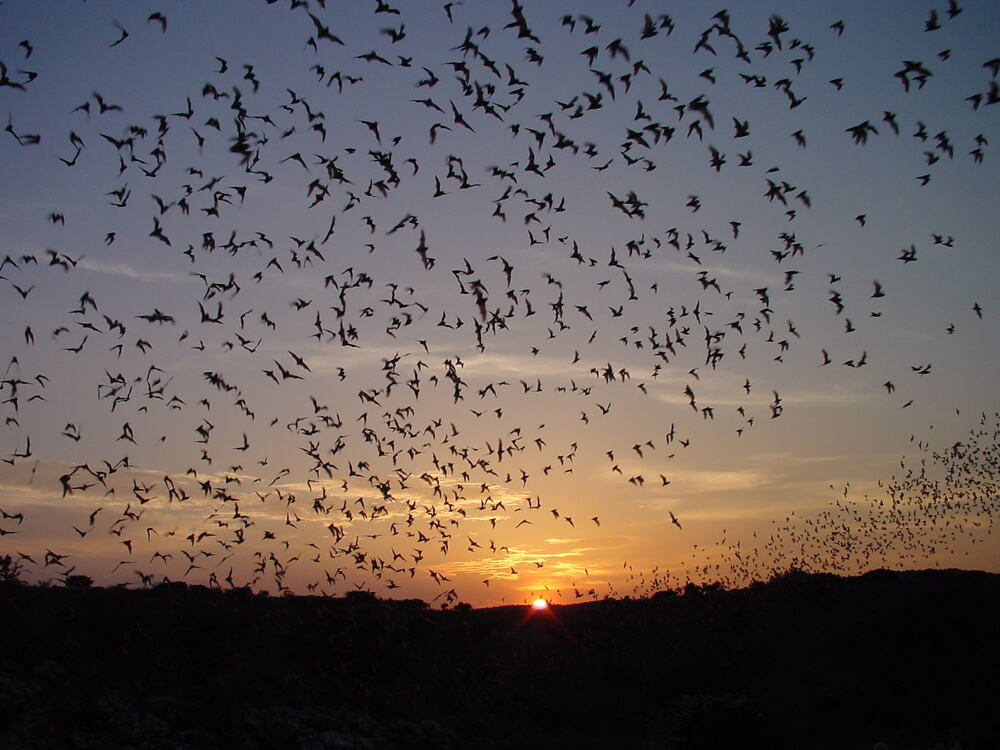
Bats play an essential role in maintaining the health of ecosystems in national parks. Many species contribute to pollination, helping plants like cacti and agave to reproduce. In contrast, others are responsible for seed dispersal, promoting forest regeneration. By spreading seeds over wide areas, they help maintain plant diversity and the overall resilience of ecosystems.
Natural Pest Control and Economic Impact
As a natural form of pest control, bats consume vast numbers of insects, including mosquitoes and agricultural pests, reducing the need for chemical pesticides. This provides a significant economic benefit by protecting crops and lowering pest-related damage, which helps both the environment and local economies.
Maintaining Balanced Ecosystems
Bats help maintain balanced ecosystems by keeping insect populations in check and supporting plant variation. Their activity affects the entire food chain, from tiny insects to larger predators. When you consider these roles, it becomes clear why protecting bats is crucial for the overall health of national parks.
Threats to Bat Populations
White-Nose Syndrome and Its Impact on Bat Colonies
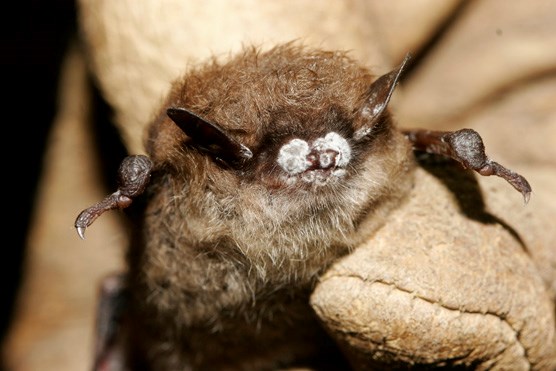
One of the most significant threats to bats is white-nose syndrome, a fungal disease that affects hibernating bats. This disease has devastated bat populations across North America, causing millions of deaths. When visiting national parks, you’ll notice that many are taking steps to limit the spread of this disease, such as closing caves and educating visitors on prevention measures.
Habitat Loss and Human Interference
Habitat loss is another major challenge. Urban development, deforestation, and agriculture reduce the natural habitats bats rely on for roosting and foraging. Additionally, human activities such as cave exploration and disturbance during hibernation can negatively impact bat colonies, stressing their populations.
Climate Change Effects on Bat Habitats
Climate change is altering bat habitats by affecting temperature and food availability. Warmer temperatures can disrupt migration patterns and hibernation cycles, making it harder for bats to survive. These changes highlight the importance of conservation efforts to protect bats in national parks.
Conservation Efforts in National Parks

Protecting Bats Through Monitoring and Habitat Protection
National parks are actively working to protect bat populations through various conservation measures. Many parks have implemented bat monitoring programs to track population trends and detect diseases like white-nose syndrome. Habitat protection is also a key strategy, with parks preserving essential roosting sites, such as caves and trees, and restoring natural environments that support healthy bat populations.
Educational Programs for Visitors
To raise awareness, national parks often have educational programs that help visitors like you understand the importance of bats and how to protect them. Ranger-led talks, informational displays, and bat-watching tours provide opportunities to learn about bats’ ecological roles and the threats they face. By participating in these programs, you can gain valuable knowledge about bat conservation and contribute to efforts to preserve these vital creatures for future generations.
Why Bats Matter to Park Visitors
Bats as Indicators of Environmental Health
Bats are excellent indicators of environmental health, and their presence in national parks signals a balanced ecosystem. When you encounter bats during your visit, it’s a sign that the park’s insect population is under control and that plant pollination is thriving. The health of bat populations often reflects the broader health of the environment, which is crucial for the overall visitor experience in terms of wildlife diversity and natural beauty.
Opportunities for Bat-Watching and Educational Tours
Many national parks offer opportunities for bat-watching, where you can observe these fascinating creatures as they emerge at dusk. These programs are often coupled with educational tours, allowing you to learn more about bat behavior, their ecological roles, and the challenges they face. Engaging with these programs enhances your visit and gives you a deeper appreciation of the efforts being made to conserve bats and their habitats within the parks.
Final Thoughts
Ultimately, bats are vital to maintaining healthy ecosystems in national parks. They control insect populations, support pollination, and contribute to the overall balance of the environment. Without bats, many parks would struggle with pest control, plant health, and ecosystem stability.
As a park visitor, you can support bat conservation by learning about their role, respecting bat habitats, and participating in educational programs. Simple actions like following park guidelines around caves and avoiding disturbing bat colonies can make a significant difference. Your efforts help protect these important creatures and ensure that future generations can continue to experience the benefits bats bring to national parks.
I WOULD LOVE TO HEAR FROM YOU! Scroll to the bottom to leave a comment about any bats you’ve seen on our public lands.
National Parks List, Map, and Complete Guide (All 63 Parks + Downloadable List & Map)
Want a FREE complete list and recap of all our US National Parks as well as downloadable maps and other great resources? Check out our US National Parks List and Map guide!

National Parks Scratch Off Map of United States
Best Travel Gifts to Track Your Travels and Adventures! Check out the top-selling US National Parks Map Poster of the United States!

FAQ’S
Which national park has bats?
Carlsbad Caverns, Great Smoky Mountains, and Mammoth Cave National Parks are known for their diverse bat populations.
How many bats live in national parks?
There are millions of bats across U.S. national parks, with over 40 bat species found in various parks nationwide.
Is it safe to be in a cave with bats?
Yes, it’s generally safe if you follow park guidelines and avoid disturbing bats, as they can carry diseases like rabies and spread white-nose syndrome.
What months are bats most active?
Bats are typically most active between April and October, especially at dusk and dawn during warmer months.
Are bats friendly to humans?
Bats are not aggressive towards humans and prefer to avoid contact, though they may approach in search of insects.
How long do bats live?
Bats can live up to 20 years, with some species even reaching 30 years under optimal conditions.
