
Camping is the best way to experience a national park. When you stay inside the park — waking up before the day-trippers arrive, watching wildlife at dawn, falling asleep under skies with no light pollution for miles — you get a version of the place that most visitors never see. The challenge is knowing which parks are genuinely great for camping, and how to actually secure a site. This guide covers the best national parks for camping in 2026, from iconic campgrounds that book out months in advance to underrated spots where you can still show up and find a site.
One note before you start planning: the majority of national park campgrounds now require advance reservations through recreation.gov. For summer dates at popular parks, reservations open months in advance and fill within minutes. The earlier you book, the better your options. Use our US National Parks List and Map to find parks near you and start narrowing down your list.
1. Glacier National Park (Montana)
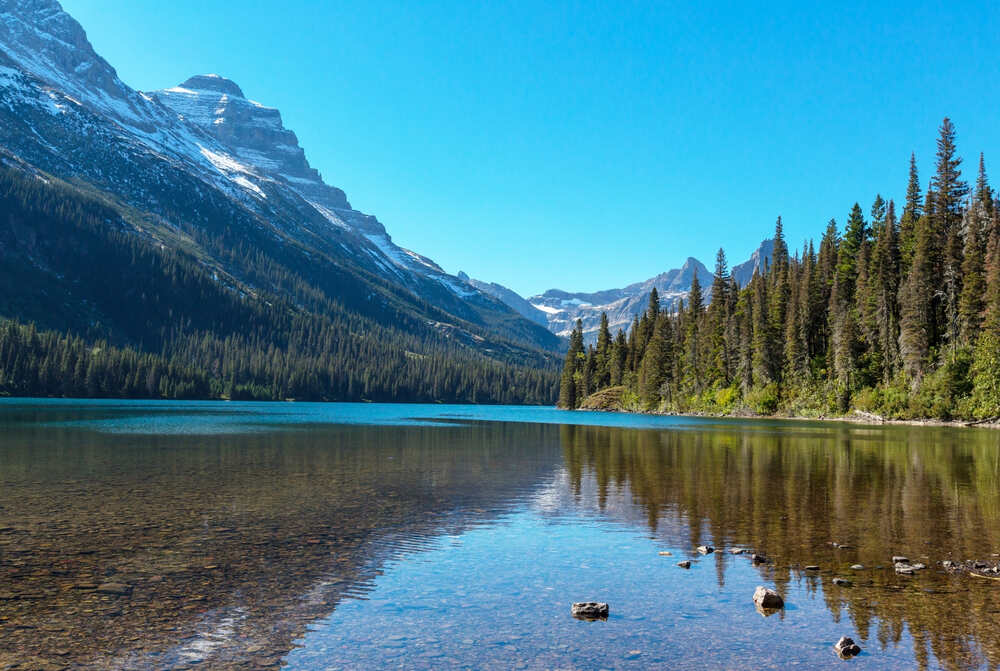
Glacier is one of the most spectacular places to camp in North America. The park’s campgrounds sit at the base of towering peaks, along glacial lakes of impossible blue-green color, and in forested valleys where grizzly bears and mountain goats are regular sightings. Many Glacier Campground — tucked into the northeast corner of the park at the end of a long scenic valley — is widely considered one of the best campground locations in the entire national park system. St. Mary and Apgar campgrounds offer more accessible options near the park’s main entrances.
What to know: Going-to-the-Sun Road, the park’s legendary 50-mile alpine highway, requires a vehicle permit in summer — book this along with your campsite. Most campgrounds require reservations through recreation.gov and fill months in advance for July and August. The shoulder seasons (June and September) offer better availability and fewer crowds, though some roads and facilities may not be fully open in early June.
2. Big Bend National Park (Texas)
Big Bend is one of the best dark sky camping destinations in the lower 48. The park sits in one of the most remote and least light-polluted corners of the continental United States, and on clear nights the Milky Way is visible in a way that most Americans have never experienced. The Chisos Basin Campground sits at 5,400 feet in the heart of the mountain range at the center of the park, surrounded by dramatic rock formations. For those willing to go further, the park has extensive primitive backcountry camping along the Rio Grande and throughout the desert — no facilities, total solitude.
What to know: The Chisos Basin campground has both reservable and first-come, first-served sites. Primitive roadside camping is available throughout the park with a free backcountry permit. Summer temperatures in the desert sections can exceed 110°F — spring (March–April) and fall (October–November) are the best camping seasons. Lodging options near the park are extremely limited, so camping or booking the Chisos Mountains Lodge well in advance are your main options.

3. Joshua Tree National Park (California)
Joshua Tree is a camper’s park. The iconic twisted Joshua trees, the enormous boulder formations that attract rock climbers from around the world, and the extraordinarily dark skies make camping here an experience unlike any other California park. The park sits at the convergence of two desert ecosystems — the Mojave and the Colorado — and the landscape shifts dramatically as you move through it. Nine campgrounds are spread across the park, ranging from developed sites near the visitor centers to remote spots deep in the backcountry.
What to know: October through April is prime camping season — summers are extremely hot and most campgrounds become uncomfortable. Jumbo Rocks campground is a favorite for its dramatic boulder setting. Black Rock and Cottonwood campgrounds have hookups and are more accessible for families with RVs. Reservations are required at most campgrounds October through May; some operate first-come, first-served in summer when demand drops.
4. Crater Lake National Park (Oregon)
Crater Lake is one of the most visually stunning places to camp in the United States. The lake itself — formed 7,700 years ago when a massive volcanic eruption caused the collapse of Mount Mazama — is the deepest lake in the country and an almost impossibly vivid shade of blue. Mazama Campground, the park’s main campground, sits just a short drive from the rim with easy access to the Rim Drive and the lake overlooks. Waking up at Crater Lake and walking to a rim overlook before the day-trippers arrive is one of the great camping experiences in the Pacific Northwest.
What to know: The park sits at high elevation (the rim averages 7,000 feet) and receives enormous snowfall — the campground typically opens in mid-June and closes in mid-October. Mazama Campground is large and reservations are available through recreation.gov. The smaller Lost Creek Campground (tent only, first-come, first-served) is a quieter option on the park’s east side. The Rim Drive is one of the best scenic drives in the country and is best experienced early morning before tour buses arrive.

5. Badlands National Park (South Dakota)
Badlands is one of the most underrated camping destinations in the national park system. The eroded buttes, spires, and pinnacles of the South Dakota Badlands glow orange and red at sunrise and sunset, and the open prairie surrounding the formations is prime bison and bighorn sheep territory. Cedar Pass Campground, the park’s main developed campground, sits right in the heart of the formation — the views from your tent at sunset are genuinely spectacular. The park also has one of the best primitive camping policies in the system: backcountry camping is allowed anywhere in the park’s designated wilderness area with no permit required.
What to know: Badlands is one of the more affordable national park camping options — Cedar Pass Campground rates are reasonable compared to many western parks. Summer temperatures can be extreme, but the park is open year-round and spring and fall offer mild temperatures and dramatic skies. The park pairs naturally with Wind Cave National Park and Mount Rushmore for a South Dakota road trip, and it’s within a few hours of the Black Hills.
6. Sequoia National Park (California)
Camping among the giant sequoias is one of the most humbling experiences the national park system offers. These are the largest trees on earth by volume — the General Sherman Tree stands 275 feet tall and is over 2,000 years old — and sleeping beneath them gives you a sense of geological time that’s hard to find anywhere else. Lodgepole Campground is the park’s largest and most centrally located, with easy access to the Giant Forest and the sequoia groves. Dorst Creek Campground to the north offers a quieter alternative in a beautiful forest setting.
What to know: Sequoia and adjacent Kings Canyon National Park are managed together and a single entrance fee covers both. Reservations at Lodgepole fill quickly for summer weekends — book as soon as the window opens on recreation.gov. The drive into the park on the Generals Highway includes tight switchbacks that restrict vehicle length, so check road restrictions before bringing a large RV or trailer. Bear boxes are required at all campgrounds — black bears are active throughout the park.

7. Shenandoah National Park (Virginia)
Shenandoah is the most accessible major camping destination on the East Coast — within two hours of Washington D.C. and within a day’s drive of tens of millions of people. The park’s campgrounds sit along Skyline Drive on the Blue Ridge ridge line, which means many sites have views across the valley and comfortable temperatures even on hot summer nights thanks to the elevation. Big Meadows Campground is the most popular, centered around an open meadow where deer graze at dusk. Loft Mountain, the park’s southernmost campground, tends to have better availability and equally good scenery.
What to know: Shenandoah campgrounds are far easier to book than western parks — reservations open 6 months in advance on recreation.gov and availability is generally good except for peak fall foliage weekends in October. The Appalachian Trail runs the length of the park, making Shenandoah one of the best car-camping-to-hiking combinations on the East Coast. Black bears are common — use bear boxes and follow all food storage guidelines.
8. Olympic National Park (Washington)
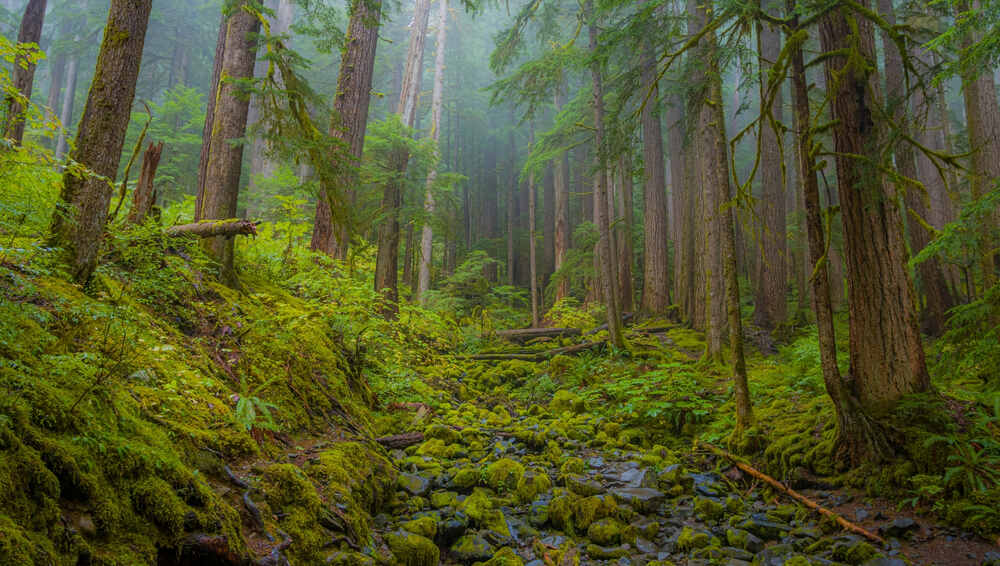
Olympic’s campgrounds span three completely different ecosystems — temperate rainforest, Pacific coastline, and alpine meadows — which means a single camping trip here can feel like visiting three separate parks. Hoh Campground, tucked into the Hoh Rain Forest, is one of the most atmospheric campgrounds in the country: mossy old-growth spruce and maple trees close overhead, the Hoh River runs nearby, and Roosevelt elk wander through camp. Kalaloch Campground on the coast sits on bluffs above the Pacific with direct beach access. Hurricane Ridge has a small campground open in summer with mountain meadow views.
What to know: Olympic’s campgrounds are spread across a large, roadless park — plan your route carefully since driving between the rainforest, coast, and alpine sections takes time. Reservations are available for most campgrounds through recreation.gov. The Hoh Rain Forest averages 140 inches of rain per year, so waterproof gear is essential even in summer. The park is one of the least crowded major parks in the Northwest and a strong alternative to Rainier or Crater Lake if those are booked out.
9. Yellowstone National Park (Wyoming)
Camping in Yellowstone means falling asleep knowing that wolves may be howling a few miles away and waking up to bison wandering past your tent. The park has twelve campgrounds spread across its 3,472 square miles, offering a range of experiences from the large, full-service Madison Campground near the geyser basins to the more remote Slough Creek Campground in the Lamar Valley — the best wildlife-watching corridor in the park. Grant Village and Bridge Bay campgrounds offer lakeside camping on Yellowstone Lake. For the full Yellowstone experience, staying inside the park rather than in a gateway town makes an enormous difference.
What to know: Yellowstone campground reservations open in January for the upcoming season and the most popular sites fill within hours. A handful of campgrounds operate first-come, first-served — Slough Creek and Pebble Creek in the northeast are favorites for wildlife-focused campers willing to arrive early. Bear canisters or bear boxes are required for all food storage. The park operates a timed entry system at peak summer periods — check current requirements before your visit.
10. Grand Canyon National Park (Arizona)
Camping at the Grand Canyon means two very different experiences depending on where you stay. Mather Campground on the South Rim is the most accessible — close to all the rim viewpoints, the visitor center, and shuttle stops — and a solid base for a rim-focused trip. The true Grand Canyon camping experience, though, is below the rim: Bright Angel Campground and Phantom Ranch at the canyon bottom, accessible only by hiking in or riding a mule, put you in the inner gorge with the Colorado River running past camp, canyon walls thousands of feet above you, and total separation from the rim crowds.
What to know: Mather Campground reservations open 6 months in advance on recreation.gov. Phantom Ranch and Bright Angel Campground require a separate lottery system through the NPS — applications open 15 months in advance and demand far exceeds supply. If you don’t get a lottery spot, last-minute cancellations are released at 6 AM daily. Never attempt a rim-to-river hike in summer without significant preparation — the NPS reports multiple rescues and fatalities each year from unprepared hikers.

How to Actually Get a National Park Campsite
Book on recreation.gov — and know when reservations open
Almost all national park campground reservations go through recreation.gov. The key is knowing when each campground’s reservation window opens — it varies by park, but most popular campgrounds open reservations 6 months in advance to the day. Set a calendar reminder, have your account ready, and be logged in before the opening time. The most sought-after sites at Glacier, Yellowstone, and Yosemite can sell out within minutes of becoming available.
First-come, first-served sites are still an option
Many parks reserve a portion of their sites for first-come, first-served camping. The strategy: arrive Thursday or Sunday (avoiding the Friday rush and Sunday departure) and pull in early — by 9 AM at the latest at busy parks in summer. Campgrounds that are first-come, first-served only (no reservations) are harder to plan around but often give access to parks where reserved sites are completely booked.
The America the Beautiful Pass covers entrance, not camping
The $80 annual America the Beautiful Pass covers entrance fees at all national parks but does not cover campsite fees — those are paid separately. Camping fees at national park campgrounds range from around $20-30 per night for a basic site to $50+ for sites with hookups. The pass is still worth buying if you’re visiting two or more parks, but budget separately for camping fees.
Final Thoughts
The best national park camping trip starts with a site you actually secured. Pick your park, know when reservations open, and book the moment the window unlocks. The extra effort is worth it — waking up inside a national park, with the trails and wildlife to yourself before the crowds arrive, is one of the best things you can do outdoors in this country. Check our complete US National Parks Map to find the parks closest to you and start planning your trip.
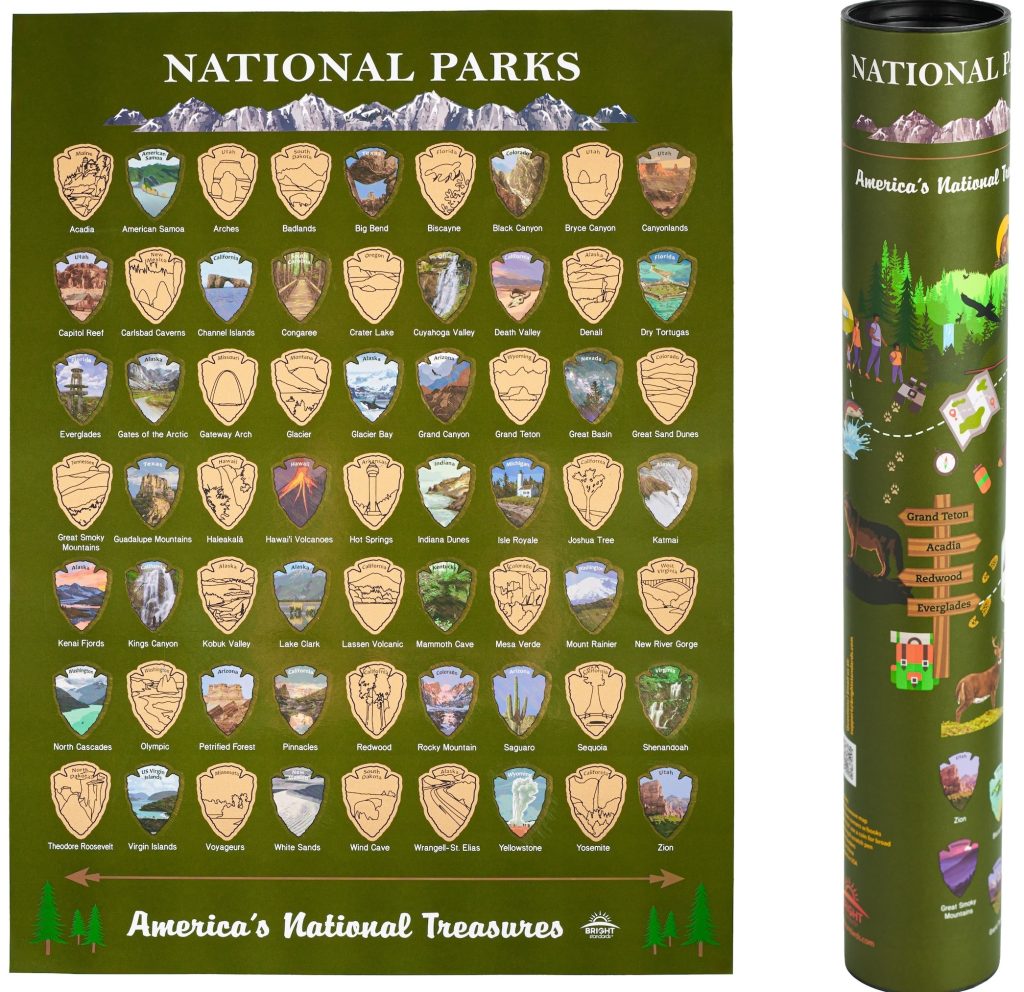
Want more national park planning resources? Check out our complete US National Parks List and Map to track your progress toward all 63 parks.
US National Parks List & Map
Want a FREE complete list and recap of all our US National Parks as well as downloadable maps and other great resources? Check out our US National Parks List and Map guide!

<
FAQs
Which national park has the best camping?
Glacier National Park is widely considered to have the best overall camping experience — the scenery is unmatched, wildlife sightings are common, and campgrounds like Many Glacier are in extraordinary locations. For dark sky camping, Big Bend is hard to beat. For accessibility on the East Coast, Shenandoah offers excellent camping within reach of major cities. The “best” really depends on what you’re after: scenery, wildlife, stargazing, hiking access, or ease of booking.
How far in advance should I book a national park campsite?
For popular parks like Glacier, Yellowstone, and Grand Canyon in summer, you should book the moment the reservation window opens — typically 6 months in advance. Set a calendar reminder for the exact opening date and time on recreation.gov. For less competitive parks like Badlands, Shenandoah, and Crater Lake, 1-3 months in advance is usually sufficient for most dates. Always check each specific campground’s reservation window, as they vary.
Do I need to reserve a campsite at every national park?
Not always — many parks have first-come, first-served sites alongside reservable ones, and some smaller or less visited parks don’t require reservations at all. Badlands, for example, has first-come, first-served primitive camping with no permit needed. Big Bend has extensive backcountry camping with a free permit. That said, for any major western park in summer, showing up without a reservation is a significant gamble — arrive early or have a backup plan.
Is camping inside a national park worth it vs. staying nearby?
Almost always yes, especially at larger parks. Staying inside means you’re on the trails before day-trippers arrive, you can watch wildlife at dawn and dusk without a long drive, and you experience the park at night — which is a completely different experience. At parks like Yellowstone and Glacier, the difference between staying inside vs. in a gateway town is significant. The trade-off is cost (campsite fees plus park entrance) and the effort required to secure a reservation.
