
September might be the single best month to visit a national park. Summer crowds have thinned dramatically after Labor Day, temperatures have dropped to comfortable hiking weather, and some of the most spectacular early fall color — elk rut, the first aspen gold, early foliage — is just beginning. Yet most people don’t realize how good September is until they experience it firsthand.
This guide covers the best national parks in September — which parks are at their peak, what’s happening there in early fall, and how to plan a trip that takes full advantage of the month’s unique conditions.
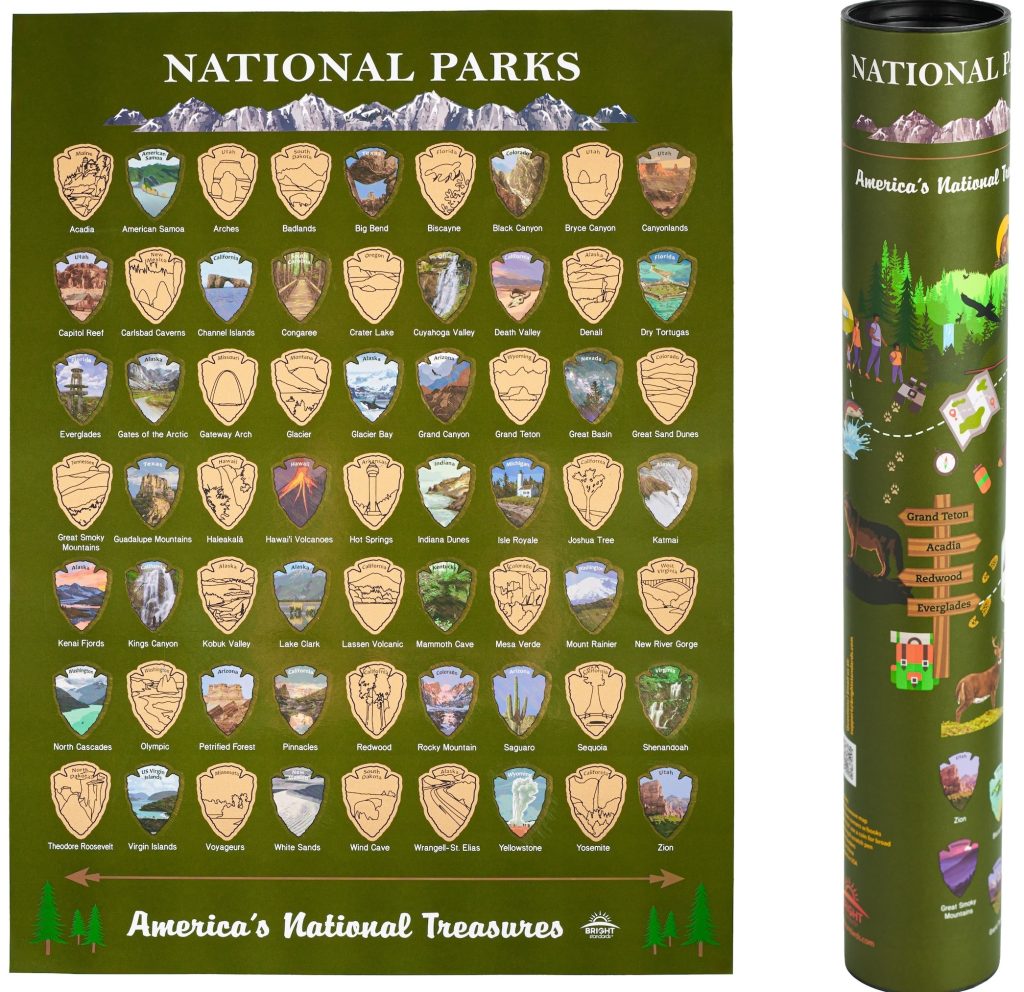
As you work through your September park list, our scratch-off national parks map is the perfect way to track every park you visit — and stay motivated to keep exploring.
Why September Is the Best Month for National Parks
September hits the sweet spot between summer chaos and winter closures. Here’s what makes it special:
Crowds drop immediately after Labor Day. Parks that were packed wall-to-wall in August see 30-50% fewer visitors in mid-September. The same trails, the same views — with room to breathe.
Wildlife activity peaks. September kicks off elk rut season in Rocky Mountain, Grand Teton, and Yellowstone — one of the most dramatic wildlife events anywhere in North America. Bears are actively feeding before hibernation. Migration is underway for birds.
Temperatures are ideal for hiking. The brutal summer heat in desert parks has broken. Mountain parks have cooled to perfect hiking conditions. You can actually do the long hikes without suffering.
Early fall color begins. High-elevation parks start showing the first aspen gold and larch color in mid-to-late September — a preview of the full fall show to come in October.
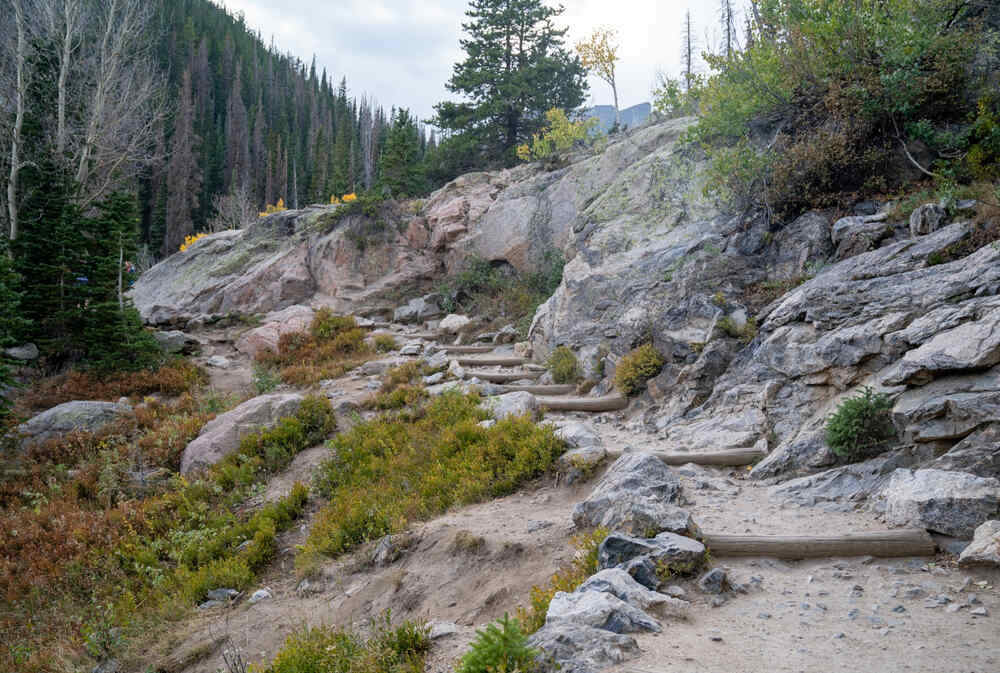
Photo by Melissa Kopka
1. Rocky Mountain National Park (Colorado)
September is arguably the best month to visit Rocky Mountain National Park. The elk rut begins in mid-September and runs through October — bull elk with full racks bugle across the park’s meadows at dawn and dusk in one of the most incredible wildlife spectacles in North America. Meanwhile, the aspen groves begin turning gold, the crowds from summer have thinned, and the timed entry permit system is lifted.
The combination of cool hiking temperatures, aspen color, and elk activity makes September the month when Rocky Mountain regulars plan their annual visit.
September highlights: Elk bugling at Moraine Park and Horseshoe Park (arrive before dawn), Bear Lake area aspen groves, Trail Ridge Road before its October closure, and Sprague Lake for reflection photography with fall color.
2. Grand Teton National Park (Wyoming)
Grand Teton in September combines the park’s best wildlife viewing with the beginning of fall color — and dramatically reduced crowds compared to July and August. The Snake River valley floor aspen groves begin turning gold in late September, and the contrast with the snow-dusted Teton peaks behind them is extraordinary.
The elk rut is active here too, and moose are frequently spotted along the willow flats and river corridors. The park’s lodges and campgrounds are less crowded but still open through late September.
September highlights: Oxbow Bend at sunrise for wildlife and reflections, Mormon Row for the classic barn-and-Teton shot with fall color beginning, Cascade Canyon before the high country closes, and Jackson Hole for world-class dining after a day on the trails.

3. Glacier National Park (Montana)
September is peak larch season in Glacier — and larches are one of the most spectacular fall color events in any national park. These high-elevation deciduous conifers turn a brilliant gold in late September, covering the upper mountain slopes in color that glows against blue sky and early snow. Going-to-the-Sun Road typically stays open through mid-October, giving access to the high country for this spectacular window.
Grizzly bears are actively feeding before hibernation in September — the Many Glacier area and the berry fields in the park’s eastern regions offer some of the best grizzly viewing of the year.
September highlights: Highline Trail for larch color (late September), Many Glacier for grizzly bear viewing, Two Medicine Lake for solitude and stunning scenery, and Hidden Lake Overlook for mountain goats and early snow on the peaks.
4. Zion National Park (Utah)
September marks the transition out of Zion’s brutal summer heat into ideal hiking conditions. Temperatures in the canyon drop from the 100°F+ July peaks to manageable 80s and 70s, making trails like Angels Landing and the West Rim accessible without the summer punishment. The Narrows is at excellent water levels for wading in September.
Crowds are noticeably lower after Labor Day, though Zion remains one of the most visited parks year-round. Weekdays in mid-to-late September are dramatically quieter than peak summer weekends.
September highlights: Angels Landing (permit required) with cool temperatures and morning light, The Narrows for ideal wading conditions, Observation Point for the best elevated view of the canyon, and Emerald Pools as a family-friendly option in comfortable fall temperatures.

5. Acadia National Park (Maine)
Early September in Acadia is the shoulder season sweet spot: the summer crowds from July and August have thinned, Bar Harbor is still fully open and vibrant, and the first hints of fall color begin appearing in late September. The Atlantic Ocean is still warm enough for cold-tolerant swimmers, and the park’s hiking conditions are excellent.
Peak fall foliage in Acadia hits in early October, making a late September/early October visit the ideal window to catch the beginning of color with manageable crowds before peak foliage weekends fill every hotel on the island.
September highlights: Cadillac Mountain at sunrise (shorter lines than summer), Beehive Trail and Precipice Trail for iron rung adventures with cool temperatures, Jordan Pond House for popovers before the season ends, and carriage road cycling through the forest as color begins.
6. Yellowstone National Park (Wyoming/Montana/Idaho)
Yellowstone in September is a revelation for anyone who has only visited in July. The summer crowds that clog the boardwalks at Old Faithful and turn the Grand Prismatic overlook into a traffic jam simply aren’t there. Yet the geothermal features, wildlife, and landscapes are identical — and in many ways better, because fall activity and cooler weather make everything more vivid.
Bison rut runs into early September. Elk rut begins mid-September. Wolf packs are active and visible in the Lamar Valley. Bear viewing is excellent as animals feed heavily before winter. September is genuinely the best wildlife-viewing month in Yellowstone.
September highlights: Lamar Valley at dawn and dusk for wolves, bison, and bears, Grand Prismatic overlook with fewer people and steam more visible in cooler air, Old Faithful boardwalk walks without summer crowds, and Mammoth Hot Springs for elk that frequently wander into the town area during rut.
7. Olympic National Park (Washington)
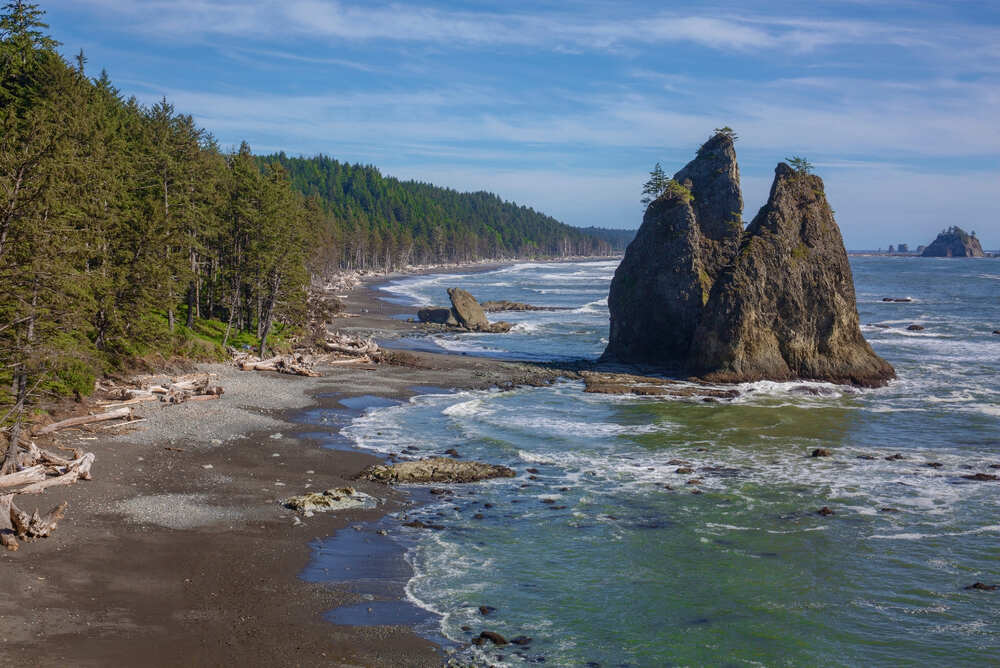
September is the driest month of the year in the Pacific Northwest — which makes it the best time to visit Olympic. The park’s summer fog and drizzle give way to clear blue skies that reveal the Olympic peaks in full, and the rainforest trails are lush and green without the mud that comes with the wetter months. The coastal sections of the park are spectacular in September light.
Roosevelt elk herds begin moving toward their fall ranges in September, and the Hoh River valley is one of the best places in any national park to observe a large elk herd in open habitat.
September highlights: Hoh Rain Forest for Roosevelt elk viewing in the meadows, Hurricane Ridge on clear September days for the clearest mountain views of the year, Rialto Beach for dramatic coastal scenery, and Sol Duc Falls with comfortable hiking temperatures and minimal crowds.
8. Great Smoky Mountains National Park (Tennessee/North Carolina)
Early September in the Smokies is a quieter, cooler version of summer — the summer vacation crowds are gone but fall foliage hasn’t yet drawn the October crowds. Trail conditions are excellent, the waterfalls are running well, and the park’s wildlife is increasingly active as temperatures drop.
The Cataloochee Valley elk herd becomes very visible in September and early October as the rut begins — one of the most accessible elk viewing opportunities in the East. This is a genuinely underrated September wildlife destination for families who don’t want to drive to Wyoming.
September highlights: Cataloochee Valley at dawn for elk rut, Clingmans Dome before its potential weather-related closures later in fall, Alum Cave Trail for comfortable temperatures and incredible geology, and Cades Cove wildlife loop in the early morning quiet.
9. Bryce Canyon National Park (Utah)
September brings perfect hiking conditions to Bryce Canyon — temperatures are comfortable, the summer thunderstorm season is winding down, and the hoodoos glow in the warm autumn light with an intensity that’s different from any other season. Crowds drop noticeably from August peaks, making it easier to find parking and get on popular trails.
The park’s 8,000+ foot elevation means September mornings can be cool enough for layers, but afternoons are pleasant. This is one of the best months to do the full Queens Garden/Navajo Loop combination and the Fairyland Loop without the summer heat.
September highlights: Queens Garden + Navajo Loop in comfortable temperatures, Bryce Point for sunrise on the hoodoos, stargazing from the rim (Bryce is one of the best dark sky parks in the country), and Fairyland Loop for the park’s best all-day hike.

10. Shenandoah National Park (Virginia)
September at Shenandoah is warm enough for comfortable hiking but cool enough to make the ridge trails genuinely pleasant. The summer humidity that makes July and August feel oppressive is gone. Fall color hasn’t fully arrived yet — that comes in October — but the park is dramatically less crowded than summer and the hiking conditions are excellent.
Late September is when the first hints of color begin appearing on the higher ridges, making it an ideal time for a preview trip before the October foliage peak brings everyone else.
September highlights: Old Rag Mountain (permit required weekends/holidays) with cool temperatures, Dark Hollow Falls with strong water flow, Big Meadows for deer activity at dusk, and Skyline Drive overlooks with the first early color on the horizon.
Planning Your September National Park Trip
Book accommodations before Labor Day weekend
Labor Day weekend itself is still busy — it’s the last hurrah of summer travel. The week immediately following (September 8-15) is when crowds drop most dramatically and you’ll find the best availability and prices. Book your accommodations before Labor Day to lock in good options, then enjoy the post-holiday quiet.
Pack layers for mountain parks
September weather in mountain parks is variable. Rocky Mountain, Glacier, and Grand Teton can see overnight lows in the 20s°F in late September, while afternoons warm into the 60s. Pack a base layer, mid-layer fleece, waterproof shell, gloves, and a hat — and be prepared to use all of them in a single day.
Check for facility closures
Some park facilities begin transitioning to reduced hours or closing in September. Visitor centers may have shorter hours, some campgrounds begin closing after Labor Day, and high-elevation roads can close temporarily after early snowstorms. Check the specific park’s NPS page for current conditions before your trip.
September Is Waiting for You
If you’ve only visited national parks in the peak summer months, a September trip will change how you think about the whole national park experience. The parks are the same — the trails, the wildlife, the scenery — but the experience of actually being there is completely different when you’re not sharing it with the entire country.
Pick one park from this list, book your trip for mid-September, and scratch it off your national parks map when you get home. You won’t regret it.
Want more national park planning resources? Check out our complete US National Parks List and Map to track your progress toward all 63 parks.
US National Parks List & Map
Want a FREE complete list and recap of all our US National Parks as well as downloadable maps and other great resources? Check out our US National Parks List and Map guide!

<
FAQs
Are national parks less crowded in September?
Yes — significantly less crowded after Labor Day. Most parks see a 30-50% drop in visitation from August to mid-September. The exception is Labor Day weekend itself, which is still very busy. By the second week of September, popular parks feel dramatically more manageable.
What is the weather like in national parks in September?
It varies significantly by park. Mountain parks (Rocky Mountain, Glacier, Grand Teton) have cool to cold nights (sometimes below freezing by late September) with pleasant daytime temperatures in the 50s-60s°F. Desert parks (Zion, Bryce Canyon) are much warmer — highs in the 70s-80s°F, ideal for hiking. East Coast parks (Acadia, Shenandoah) are in the 60s-70s°F during the day with cool nights. Pack layers regardless of where you’re going.
Is September a good time to see fall foliage in national parks?
Early fall color begins in September in high-elevation parks — Rocky Mountain and Glacier see aspen and larch gold starting mid-September. East Coast parks like Acadia and Shenandoah begin their foliage in late September, with peak color coming in October. If you want the full fall foliage show, plan for early to mid-October at eastern parks and late September at mountain parks.
Can you still camp in national parks in September?
Yes — most campgrounds are still open through September, though some begin closing after Labor Day. Reservations are still needed at popular campgrounds, especially for Labor Day weekend. By mid-September, walk-up campsites become available at many parks that were fully reserved all summer. Check Recreation.gov for current availability and reservation requirements.
