
Spring transforms America’s national parks into spectacular destinations with blooming wildflowers, rushing waterfalls fed by snowmelt, and comfortable temperatures perfect for hiking. As winter snow melts away and crowds haven’t yet reached summer peaks, March through May offers some of the best conditions for experiencing national parks without the intense heat or overwhelming visitor numbers.
With 63 national parks to choose from, planning your spring adventures requires understanding which parks shine during these months. Our US National Parks List and Map provides a complete overview to help you explore all your options. Desert parks become pleasant after brutal winter cold, mountain parks begin opening roads as snow clears, and southern parks offer ideal conditions before summer humidity sets in.
With the 2026 changes now in effect, strategic planning helps you make the most of your spring visits. This guide highlights 10 exceptional national parks to visit during spring 2026, covering the unique advantages each month brings. Whether you’re chasing wildflower blooms in Death Valley, photographing Yosemite’s thundering waterfalls, or enjoying comfortable hiking temperatures in Zion, these parks deliver unforgettable spring experiences.
- 1. Death Valley National Park (California/Nevada)
- 2. Zion National Park (Utah)
- 3. Great Smoky Mountains National Park (Tennessee/North Carolina)
- 4. Yosemite National Park (California)
- 5. Big Bend National Park (Texas)
- 6. Joshua Tree National Park (California)
- 7. Arches National Park (Utah)
- 8. Everglades National Park (Florida)
- 9. Acadia National Park (Maine)
- 10. Grand Canyon National Park (Arizona)
- Planning Your Spring National Park Trip
- Final Thoughts
- Track Your National Parks Bucket List
- US National Parks List & Map
- FAQs
1. Death Valley National Park (California/Nevada)
Death Valley earns its reputation as the hottest place on Earth with summer temperatures exceeding 120°F, but spring transforms this harsh landscape into a surprisingly pleasant destination. March through May brings comfortable daytime temperatures in the 70s and 80s, perfect for exploring the park’s diverse terrain from salt flats to sand dunes to colorful badlands.
The park’s biggest spring attraction is wildflower blooms following wet winters. When conditions align, Death Valley erupts in spectacular “superblooms” with desert gold, poppies, and verbena carpeting the valley floor in vibrant colors. Even in typical years, wildflowers appear in patches throughout the park, with peak blooms usually occurring in March and early April at lower elevations.
Spring also brings opportunities to spot the endangered Devils Hole pupfish during their annual spring migration as they seek warmth from direct sunlight. This rare fish exists nowhere else on Earth, making Death Valley home to one of the planet’s most restricted habitats.
Best Time: March for wildflowers and coolest temperatures, though April and early May remain comfortable.
Must-See: Badwater Basin (lowest point in North America), Zabriskie Point at sunrise, Mesquite Flat Sand Dunes, Artist’s Palette, and Dante’s View.

2. Zion National Park (Utah)
Zion’s towering red sandstone cliffs and narrow canyons make it one of Utah’s most visited parks, but spring offers a sweet spot of beautiful conditions before summer crowds peak. March through May brings moderate temperatures ideal for hiking, with snowmelt feeding waterfalls and the Virgin River running fuller than summer months.
Spring weather in Zion means daytime temperatures in the 60s and 70s, perfect for tackling challenging hikes like Angels Landing without the intense desert heat. The park’s famous Narrows hike through the Virgin River becomes accessible as water levels drop from winter highs, though hikers should check current conditions as spring runoff can make the river too dangerous in April and early May.
Wildflowers begin blooming in March at lower elevations, painting the canyon floor and hillsides with color. The park’s shuttle system runs on a more relaxed schedule than summer, and parking proves easier during weekdays, especially in March before spring break crowds arrive.
Best Time: March for smallest crowds and comfortable temps, April for peak wildflowers (though busier during spring break), May for warm hiking weather.
Must-See: Angels Landing (permit required), The Narrows, Canyon Overlook Trail, Emerald Pools, and Weeping Rock.

3. Great Smoky Mountains National Park (Tennessee/North Carolina)
As America’s most visited national park, Great Smoky Mountains welcomes over 13 million visitors annually, but spring offers some of the year’s best experiences. The park transforms into a wildflower paradise from late March through May, with over 1,500 flowering plant species creating stunning displays throughout the ancient forests.
April brings peak wildflower blooms with trilliums, violets, and bloodroot carpeting the forest floor. The park’s relatively mild spring temperatures in the 60s and 70s make hiking comfortable, and morning fog creates the characteristic “smoky” haze that gives the park its name. Waterfalls fed by spring rains cascade with impressive volume throughout the season.
Spring also means fewer crowds than summer, especially on weekdays and outside of spring break periods. The park’s 800 miles of hiking trails remain accessible at lower elevations, though higher elevation trails may still have lingering snow in March and early April. Cades Cove’s wildlife viewing improves as bears emerge from winter dens and white-tailed deer become more active.
Best Time: Mid-April through early May for peak wildflower displays and comfortable temperatures.
Must-See: Cades Cove for wildlife, Laurel Falls, Clingmans Dome (road opens late March/early April), Roaring Fork Motor Nature Trail, and Alum Cave Trail.

4. Yosemite National Park (California)
Spring showcases Yosemite at its most dramatic with snowmelt creating thundering waterfalls throughout the valley. Yosemite Falls, North America’s tallest waterfall at 2,425 feet, reaches peak flow from late April through early June, creating spectacular displays visible from multiple viewpoints throughout the valley.
The combination of rushing waterfalls, blooming dogwoods, and granite cliffs dusted with fresh snow creates perfect conditions for photographers. Bridalveil Fall, Nevada Fall, and Vernal Fall all roar with impressive volume during spring, though some trails to waterfall bases may remain closed due to high water and dangerous conditions until late May.
Glacier Point Road typically opens in late May or early June after crews clear massive snowdrifts, extending the park’s accessible areas significantly. Before the road opens, Yosemite Valley and lower elevation trails provide plenty of hiking opportunities with comfortable temperatures in the 60s and 70s during April and May.
Best Time: Late April through early June for peak waterfall flow, though March and early April offer quieter visits with spectacular scenery.
Must-See: Yosemite Falls, Valley View, Tunnel View, Bridalveil Fall, Mirror Lake, and Mariposa Grove (giant sequoias accessible in spring).

5. Big Bend National Park (Texas)
Big Bend stands out as one of Texas’s most remote and spectacular parks, and March marks its absolute peak season for good reason. Spring temperatures range from the 70s to low 80s, perfect for hiking after the cold winter months and before brutal summer heat arrives. The park’s diverse landscape spans Chihuahuan Desert lowlands to the Chisos Mountains reaching over 7,800 feet.
March through early April brings the Texas bluebonnet bloom season, painting the desert floor with vibrant blue flowers alongside other spring wildflowers. The timing varies based on winter rainfall, but when conditions align, the display rivals any national park wildflower show. Cacti also begin blooming in late spring, adding splashes of color to the rocky landscape.
The Rio Grande flows along the park’s southern boundary, creating dramatic canyons like Santa Elena Canyon where 1,500-foot cliffs tower above the river. Spring offers ideal conditions for hiking popular trails like the Window Trail and Lost Mine Trail without the summer heat that makes midday hiking dangerous.
Best Time: March for peak conditions, wildflowers, and comfortable temperatures. Early April extends the best weather before heat intensifies.
Must-See: Santa Elena Canyon, Chisos Basin, Window Trail, Lost Mine Trail, Ross Maxwell Scenic Drive, and hot springs along the Rio Grande.

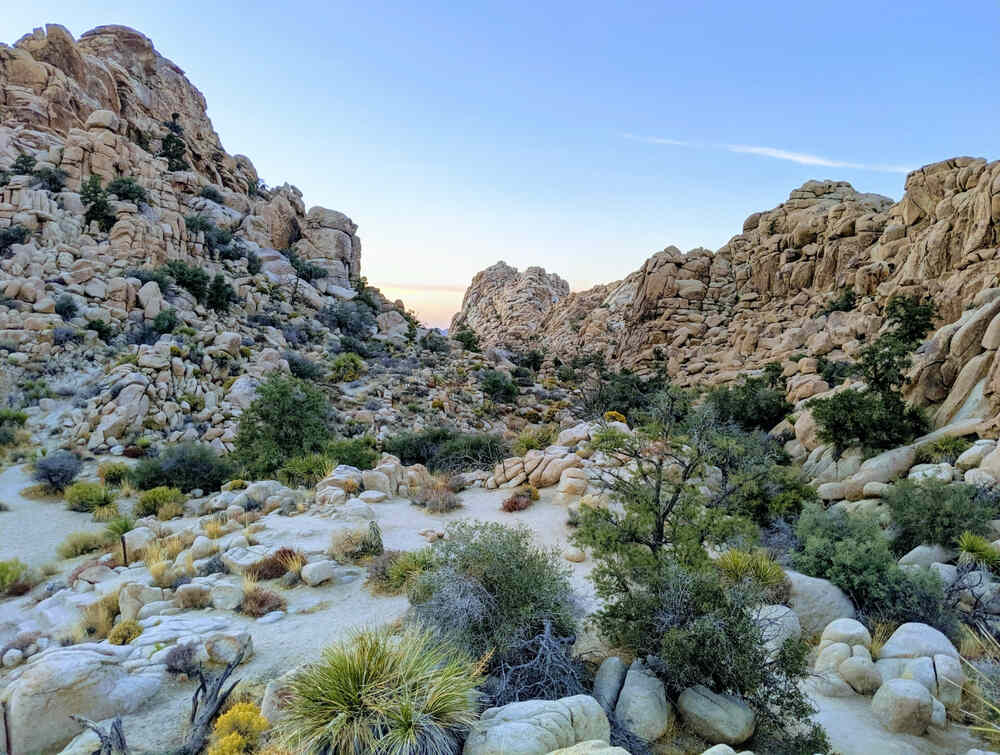
6. Joshua Tree National Park (California)
Joshua Tree’s unique landscape of twisted desert trees and massive boulder formations becomes truly enjoyable during spring after cold winter nights and before scorching summer heat. March through May brings daytime temperatures in the 70s and 80s, ideal for hiking among the park’s namesake Joshua trees and exploring its distinctive rock formations.
Wildflowers typically bloom from late February through April depending on winter rainfall. When conditions cooperate, the Mojave Desert section of the park explodes with color from desert dandelions, lupines, and brittlebush. The Joshua trees themselves bloom in March and April, producing cream-colored flowers on their spiky branches.
Spring also means excellent rock climbing conditions, as Joshua Tree ranks among America’s premier climbing destinations with over 8,000 established routes. The cooler temperatures allow climbers to tackle routes comfortably, while hikers can explore trails like the popular Barker Dam and Skull Rock without the extreme heat that defines summer visits.
Best Time: March and April for wildflowers and perfect temperatures. May starts warming but remains manageable for morning and evening activities.
Must-See: Cholla Cactus Garden, Barker Dam, Skull Rock, Keys View for panoramic vistas, and Hidden Valley for hiking and climbing.
7. Arches National Park (Utah)
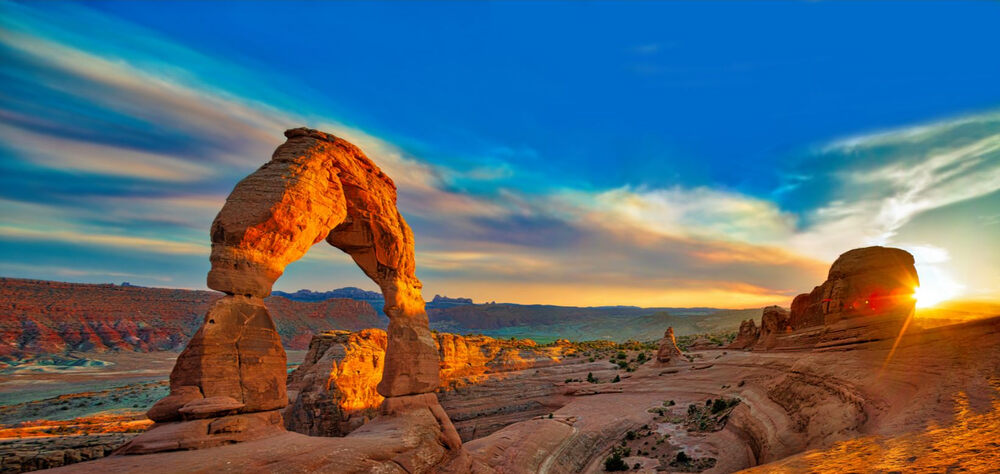
Arches National Park protects over 2,000 natural stone arches carved by wind and water over millions of years. Spring brings ideal hiking conditions with daytime temperatures in the 60s and 70s, allowing visitors to explore the park’s red rock landscape without the crushing summer heat that regularly exceeds 100°F.
March sees visitor numbers start increasing from winter lows, but crowds remain far more manageable than the summer peak season. This makes it possible to experience iconic formations like Delicate Arch and Landscape Arch with fewer people sharing the views. Early morning visits to popular spots like Delicate Arch Trail allow photographers to capture the formations with beautiful spring light and minimal crowds.
Snow-capped La Sal Mountains provide a dramatic backdrop to the red sandstone arches during March and April, creating stunning contrast for photography. The park’s compact size allows visitors to see major highlights in one full day, though two days provides time to hike several trails and experience the park during optimal morning and evening light.
Best Time: March for smallest crowds and cooler temps, April and May for warm hiking weather and longer daylight hours.
Must-See: Delicate Arch, Landscape Arch, Double Arch, Balanced Rock, Park Avenue, and the Windows Section.
8. Everglades National Park (Florida)
The Everglades’ vast wetlands become most accessible and enjoyable during the dry season from December through April. Spring visits in March, April, and May offer excellent wildlife viewing as animals concentrate around remaining water sources, making them easier to spot than during the wet summer months when water spreads throughout the park.
This is prime time for seeing American alligators sunning on banks, wading birds like herons and egrets feeding in shallow waters, and the elusive Florida panther if you’re exceptionally lucky. The park protects one of the world’s most unique ecosystems where freshwater from Lake Okeechobee flows slowly southward through sawgrass marshes to the Gulf of Mexico, creating a “river of grass” supporting incredible biodiversity.
Spring temperatures range from the 70s to mid-80s with lower humidity than summer, making kayaking, canoeing, and hiking comfortable. The Anhinga Trail provides exceptional wildlife viewing from an elevated boardwalk, while longer trails and paddling routes allow deeper exploration of this subtropical wilderness. Mosquitoes remain present but far less aggressive than summer swarms.
Best Time: March and April for peak wildlife viewing during late dry season before May rains begin.
Must-See: Anhinga Trail, Shark Valley (bike or tram tour), Flamingo area, Nine Mile Pond canoe trail, and Gumbo Limbo Trail.

9. Acadia National Park (Maine)
Acadia marks the transition from winter to spring along Maine’s rugged Atlantic coast, offering visitors a chance to experience the park before summer crowds arrive. May stands out as the ideal spring month, with the Park Loop Road fully open after winter closure and temperatures climbing into the 50s and 60s. March and April can still feel quite wintry with cold temperatures and potential snow, but late spring brings new life to the coastal forests.
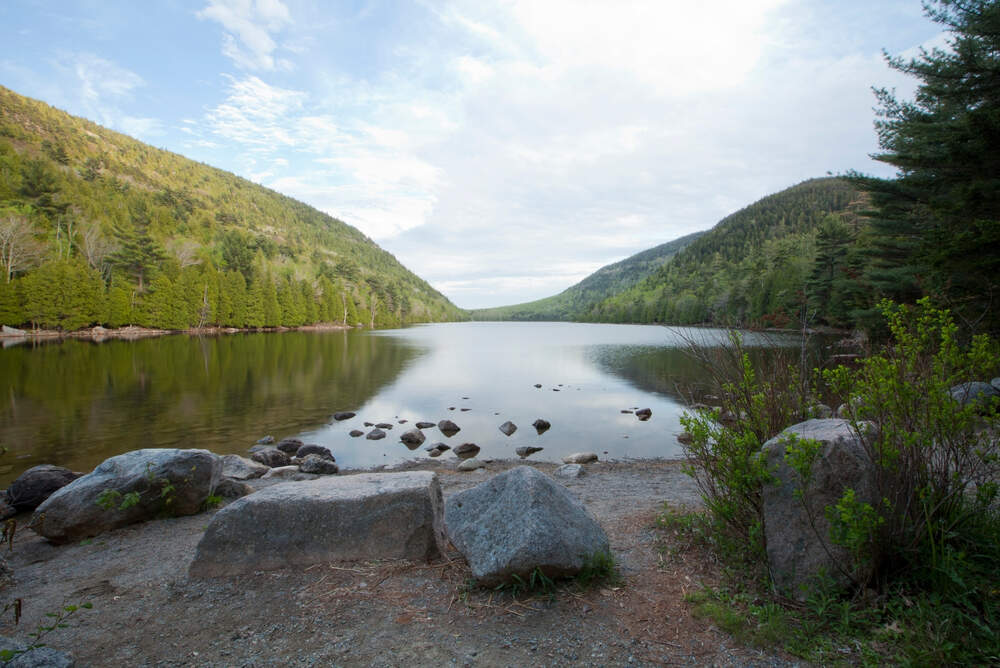
The park’s 27-mile Park Loop Road provides access to major attractions including Thunder Hole, where waves crash into a narrow inlet creating thunderous sounds and dramatic spray. Carriage roads throughout the park become perfect for hiking and biking as spring progresses, offering car-free paths through forests and past pristine lakes with views of the surrounding mountains.
Cadillac Mountain, the highest point on the North Atlantic seaboard at 1,530 feet, offers panoramic views of Frenchman Bay and the surrounding islands. From March through late October, Cadillac’s summit provides the first sunrise in the United States, making dawn visits a bucket list experience. Wildlife becomes more active in spring as birds return and black bears emerge from winter dens.
Best Time: May for warmest temperatures, fully open roads, and blooming wildflowers. Late April works for hardy visitors seeking solitude.
Must-See: Cadillac Mountain summit, Jordan Pond with the Bubbles, Thunder Hole, Bass Harbor Head Lighthouse, and carriage road trails.
10. Grand Canyon National Park (Arizona)
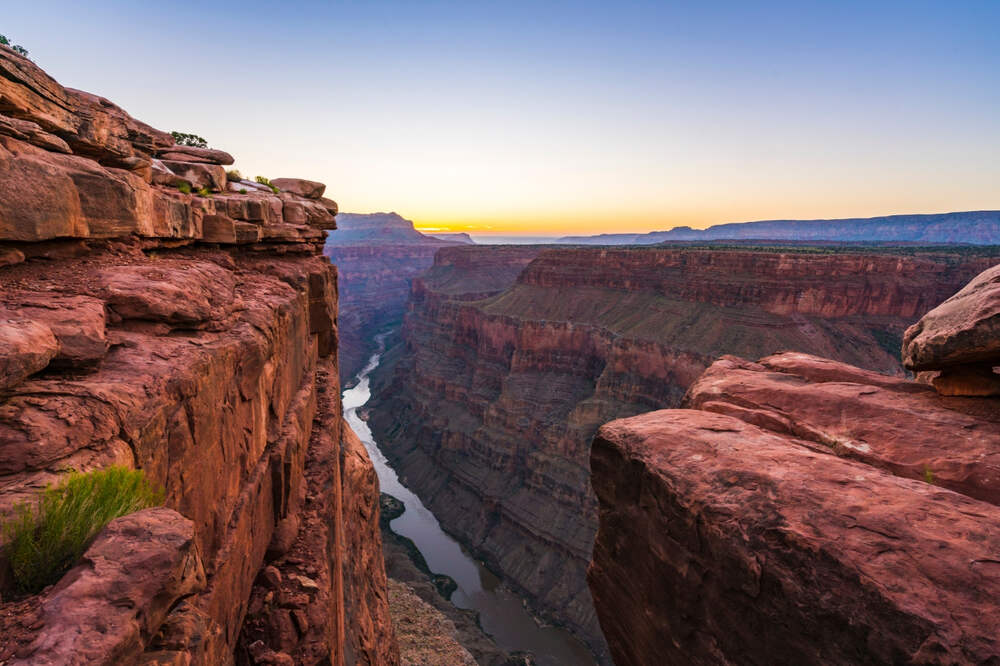
The Grand Canyon’s immense scale never fails to inspire awe, and spring offers some of the year’s best visiting conditions. March through May brings comfortable temperatures on the South Rim ranging from the 50s to 70s, perfect for hiking and exploring viewpoints without summer’s intense heat or winter’s freezing temperatures and potential snowstorms.
The North Rim typically opens in mid-May after winter closure, giving late spring visitors access to both rims and their dramatically different perspectives of the canyon. Spring also means fewer crowds than peak summer, especially in March and early May outside of spring break periods. This makes popular trails like Bright Angel and South Kaibab more enjoyable with less congestion at trailheads and along the paths.
Wildflowers begin blooming at lower elevations in March and April, adding splashes of color to the desert landscape. Inner canyon temperatures warm significantly faster than the rim, so hikers descending into the canyon should prepare for temperature variations of 20-30 degrees. The Colorado River flows strong with snowmelt, creating impressive views from overlooks like Lipan Point and Desert View.
Best Time: April and May for warmest temperatures and North Rim opening in late May. March works for those seeking solitude despite cooler weather.
Must-See: Mather Point, Yavapai Observation Station, Desert View Watchtower, South Kaibab Trail to Ooh Aah Point, and sunrise or sunset from any rim viewpoint.
Planning Your Spring National Park Trip
Choosing the Right Month for Your Visit
Each spring month offers distinct advantages depending on your destination and priorities. March provides the smallest crowds and coolest temperatures, ideal for desert parks like Death Valley, Big Bend, and Joshua Tree. April brings peak wildflower blooms to many parks but also spring break crowds, especially during the last two weeks of the month. May offers the warmest spring temperatures and longest daylight hours, with mountain parks beginning to open high-elevation roads as snow clears.
Weather Considerations
Spring weather can be unpredictable, especially in mountain parks where snow remains possible through May. Desert parks experience comfortable daytime temperatures but can still drop to freezing at night in March and early April. Always check current conditions before your trip and pack layers to handle temperature swings between morning, midday, and evening. Rain gear proves essential as spring brings increased precipitation to many parks.
Advance Planning Requirements
Popular spring destinations require advance planning for lodging and camping. Many park lodges and campgrounds book up months ahead, especially for April weekends and May holidays. Timed entry reservations are required at several parks during peak season—check individual park websites for current requirements. Some parks like Zion require permits for specific hikes including Angels Landing, with permits distributed through a lottery system.
For comprehensive information on all 63 national parks to help plan your spring adventures and beyond, visit our US National Parks List and Map guide.
Final Thoughts
Spring offers some of the year’s best conditions for experiencing national parks with comfortable temperatures, blooming wildflowers, and fewer crowds than summer peak season. Whether you’re drawn to desert landscapes bursting with color, mountain waterfalls thundering with snowmelt, or coastal scenery awakening from winter, these 10 parks deliver unforgettable spring experiences.
Planning your spring 2026 visits around each park’s optimal month maximizes your experience. Desert parks like Death Valley and Big Bend shine brightest in March before heat intensifies, while mountain parks like Yosemite reach their spring peak in May as roads open and waterfalls roar. Understanding these seasonal patterns helps you choose the right destination for your available travel dates.
With the 2026 changes affecting entrance fees and requirements, early planning becomes even more important for spring trips. U.S. residents continue enjoying affordable access with the $80 annual pass covering all these spectacular spring destinations, while international visitors should factor in the new fee structure when budgeting their adventures.
Start planning your spring national park adventures now while lodging and campgrounds still have availability. Track your visits with a National Parks Scratch-Off Map to visualize your progress and inspire future trips. Each park you experience during spring’s brief window of perfect conditions adds unforgettable memories and deepens your connection to America’s protected wild places.
Track Your National Parks Bucket List
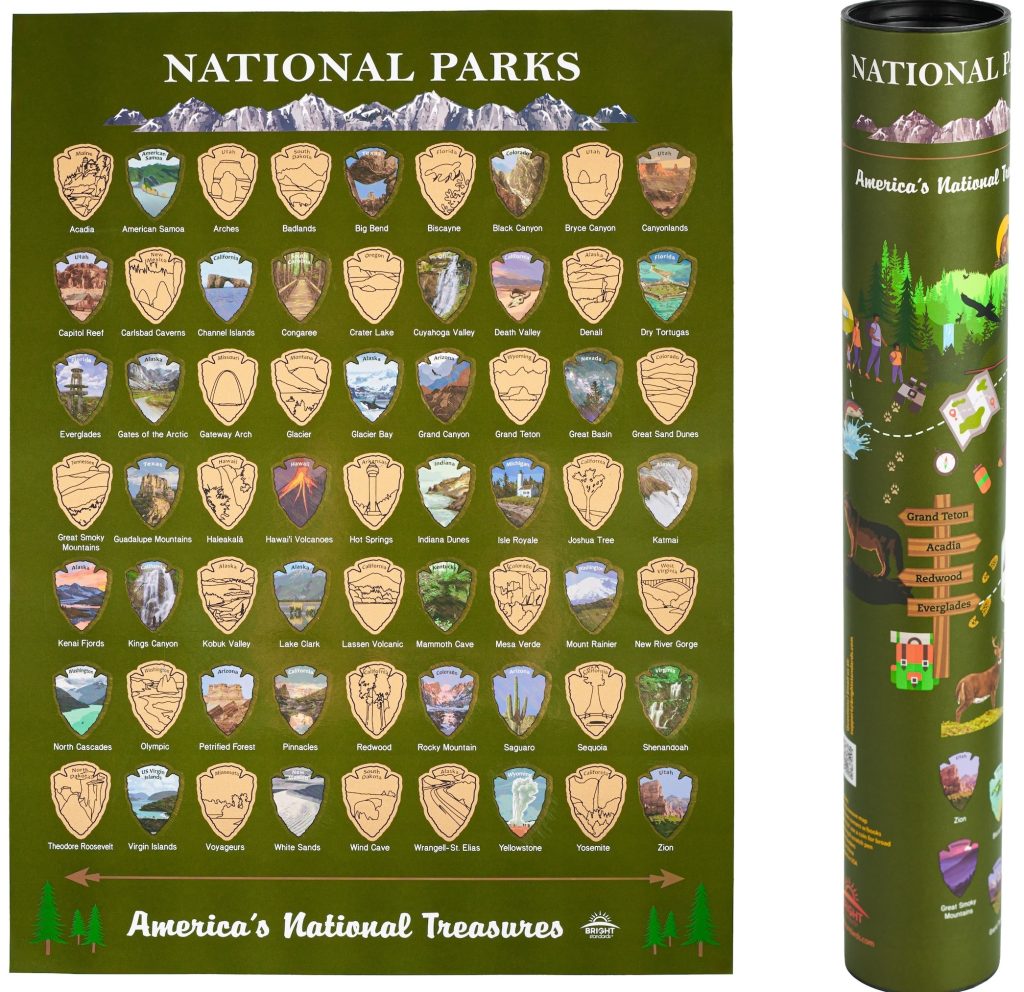
Track your visits with a beautiful scratch-off map that lets you reveal each park as you check it off your bucket list. Perfect for display in your home and a visual reminder of your progress toward visiting all 63 national parks.
US National Parks List & Map
Want a FREE complete list and recap of all our US National Parks as well as downloadable maps and other great resources? Check out our US National Parks List and Map guide!

FAQs
What is the best month to visit national parks in spring?
The best month depends on your destination. March is ideal for desert parks like Death Valley, Big Bend, and Joshua Tree before heat arrives. April brings peak wildflower blooms to many parks but also spring break crowds. May offers the warmest temperatures and is best for mountain parks like Yosemite where high-elevation roads open as snow melts. Southern parks like Everglades are best in March and April before summer humidity sets in.
Do I need reservations to visit national parks in spring?
Some parks require timed entry reservations or permits for specific activities during spring. Zion requires permits for Angels Landing hikes distributed through a lottery system. Arches may implement timed entry during busy periods. Most parks don’t require entrance reservations, but lodging and campgrounds book up months in advance for popular spring dates. Check individual park websites for current requirements and book accommodations early.
What should I pack for spring national park visits?
Pack layers as spring temperatures vary significantly between morning, midday, and evening. Bring rain gear as spring brings increased precipitation to most parks. Desert parks require sun protection, plenty of water, and warm layers for cold nights. Mountain parks may still have snow at higher elevations requiring proper footwear. Always include a first aid kit, flashlight, and extra food regardless of destination.
Are national parks crowded during spring?
Spring crowds are moderate compared to summer peak season. March sees the fewest visitors, April brings spring break crowds especially in the second half of the month, and May sees increasing numbers as weather improves. Weekdays remain less crowded than weekends. Desert parks like Death Valley see their highest annual visitation in spring, while mountain parks like Yosemite haven’t yet reached summer peaks.
Can you see wildflowers in national parks during spring?
Yes, spring is prime wildflower season in many national parks. Desert parks like Death Valley, Joshua Tree, and Big Bend bloom from late February through April depending on winter rainfall. Great Smoky Mountains peaks in mid-April with over 1,500 flowering species. Timing varies by elevation and weather patterns, so check park websites or social media for current bloom reports before planning a trip specifically for wildflowers.
Which spring national parks are best for families with kids?
Great Smoky Mountains offers easy access with many drives and short walks suitable for children. Acadia provides car-free carriage roads perfect for family biking. Zion’s shuttle system simplifies transportation, and easy trails like Riverside Walk work well for kids. Arches features impressive formations visible from short walks. Avoid parks requiring strenuous hiking like the Grand Canyon’s inner trails for young children.
Is spring a good time to visit Yellowstone National Park?
Spring in Yellowstone runs late with snow lingering through May. Most park roads don’t open until late April or early May, limiting access. However, late spring (mid-May through June) offers excellent wildlife viewing as baby bison are born and bears emerge from hibernation. Crowds remain smaller than summer, and thermal features like Old Faithful continue performing year-round. Plan for variable weather including possible snow.
