
Summer is the season when America’s national parks reach their full potential. Snow melts from high mountain passes, wildflower meadows explode with color, wildlife moves freely across open valleys, and roads that stay buried under snow for eight months of the year finally open. For anyone working toward visiting all 63 national parks, summer unlocks destinations that are simply not accessible any other time of year.
Summer 2026 also brings a significant change for park visitors. Three of the country’s most iconic parks — Arches, Glacier, and Yosemite — have eliminated their timed-entry reservation requirements. That means you can show up, pay the entrance fee, and explore without booking weeks or months in advance. The days of scrambling for a reservation window are over at these parks, at least for now.
Whether you’re deep into your quest to visit all 63 national parks or planning your very first summer road trip, knowing which parks deliver their absolute best in summer is the key to an unforgettable experience. Our US National Parks List and Map covers all 63 parks to help you plan your complete journey. Here are the 10 best national parks to visit in summer 2026, along with everything you need to know to make the most of each one.
Big News: 3 Popular Parks Dropped Reservation Requirements for 2026
Before we dive into the list, this is worth highlighting on its own. Arches National Park, Glacier National Park, and Yosemite National Park announced in February 2026 that they will not require timed-entry reservations this summer. Visitors can enter on a first-come, first-served basis during operating hours with a valid entrance fee or America the Beautiful Annual Pass. Rocky Mountain National Park is keeping its reservation system through peak summer months, so that one still requires planning ahead.
This is a meaningful shift. All three parks introduced reservations during the pandemic years and kept them as visitor numbers surged. Now, with the requirement dropped, summer 2026 is an ideal time to visit these parks — but “no reservation required” doesn’t mean “no planning required.” Arriving early, weekday visits, and having a flexible itinerary are still your best tools.
1. Glacier National Park, Montana
Glacier is one of the crown jewels of the 63 national parks, and summer is unquestionably its best season. The famous Going-to-the-Sun Road — a 50-mile engineering marvel that crosses the Continental Divide — typically opens fully between mid-June and early July once crews finish plowing through snowpack that can reach 80 feet deep. Once it opens, the views are staggering: turquoise lakes, jagged peaks, and wildflower meadows that bloom through July and August.
2026 Update: No vehicle reservations are required in 2026. Glacier is piloting a ticketed shuttle system to Logan Pass this summer, with early morning express routes available. Parking at Logan Pass is limited to three hours, so the shuttle is the smarter option for most visitors.
Best time to visit: Mid-July through August for wildflowers and full road access. Late June works if the road has opened and you want slightly thinner crowds.
Top things to do: Hike the Highline Trail from Logan Pass, take the Going-to-the-Sun Road, kayak on Lake McDonald, spot grizzly bears and mountain goats in Many Glacier Valley.
Suggested stay: 4-5 days minimum to do it justice.
2. Yellowstone National Park, Wyoming/Montana/Idaho
Yellowstone is the world’s first national park and still one of the most extraordinary places on Earth. By July, all roads are open, geysers are erupting on schedule, and the Lamar Valley is alive with bison, wolves, and grizzlies. Old Faithful erupts roughly every 90 minutes year-round, but there’s something about watching it under a blue summer sky that feels different.
Best time to visit: June for slightly fewer crowds, or July-August if you don’t mind busier conditions in exchange for peak wildlife activity and warm temperatures.
Top things to do: Watch Old Faithful, drive the Grand Loop Road, hike to the Grand Prismatic Spring overlook, spot wolves in the Lamar Valley at dawn.
Crowd tip: July is Yellowstone’s busiest month. Arrive at major thermal features before 9 AM or after 5 PM. Book lodges inside the park 12+ months in advance — they sell out fast.
Suggested stay: 3-5 days.
3. Grand Teton National Park, Wyoming
Grand Teton sits just south of Yellowstone and is one of the most rewarding back-to-back combinations in the entire 63-park system. The jagged Teton Range rises dramatically from the valley floor with almost no foothills in between, creating one of the most instantly recognizable skylines in North America. Summer brings snow-free trails, blooming wildflowers along String Lake, and the best conditions for hiking to the backcountry.
Best time to visit: July through early September for snow-free high-elevation trails and warm temperatures.
Top things to do: Hike the Cascade Canyon Trail, kayak or canoe on Jenny Lake, photograph the iconic Moulton Barn at sunrise, take the aerial tram to the top of Rendezvous Mountain.
Crowd tip: Jenny Lake is extremely busy by mid-morning. Get there by 7 AM for parking and a peaceful early hike.
Suggested stay: 2-3 days, or combine with 5-7 days for a Yellowstone-Grand Teton trip.
4. Rocky Mountain National Park, Colorado
Rocky Mountain is one of the most visited of all 63 national parks, and for good reason: Trail Ridge Road, the highest continuous paved road in the United States, opens in late May or June and delivers alpine tundra views above 12,000 feet. Summer wildflower season peaks in July, and elk are visible throughout the park during morning and evening hours.
2026 Note: Rocky Mountain is keeping its timed-entry reservation system through peak summer months. Reserve your entry window on recreation.gov as early as possible — slots sell out quickly.
Best time to visit: July through August for full trail access, wildflowers, and Trail Ridge Road.
Top things to do: Drive Trail Ridge Road, hike to Emerald Lake, spot elk in Moraine Park at dusk, explore the Wild Basin area for waterfalls.
Suggested stay: 2-3 days.
5. Denali National Park, Alaska
For the serious 63-park collector, Denali is a bucket-list entry unlike anything in the Lower 48. North America’s tallest peak — 20,310 feet — presides over six million acres of wilderness. Summer is the only real season to visit: July brings the warmest temperatures, 20+ hours of daylight, and the best odds of spotting grizzly bears, wolves, caribou, and moose from the park’s single road.
Best time to visit: Late June through July for the longest days and warmest temperatures. August is also excellent with fewer visitors and fall colors beginning to appear.
Top things to do: Take the park bus deep into the backcountry, hike the Savage Alpine Trail, try to spot Denali’s summit on a clear day (the mountain is only visible about 30% of the time), wildlife watch along the Denali Park Road.
Crowd tip: Bus tickets for the Denali Park Road go on sale in mid-January and sell out fast. Book as early as possible.
Suggested stay: 3-4 days.
6. Kenai Fjords National Park, Alaska
Kenai Fjords is one of those parks that simply cannot be experienced the same way in any other season. Summer brings glacier boat tours, humpback whale and orca sightings, puffins nesting on sea stacks, and the kind of dramatic coastal scenery that makes this one of the most memorable parks in the entire 63-park collection. Exit Glacier is the only part of the park accessible by road; the rest is explored by boat or small plane.
Best time to visit: June through August. Tour operators run full schedules during these months, and wildlife activity peaks in summer.
Top things to do: Book a full-day boat tour to the Holgate or Northwestern Glacier, hike to Exit Glacier and up the Harding Icefield Trail, watch for sea otters and harbor seals in Resurrection Bay.
Suggested stay: 1-2 days, often combined with a broader Alaska trip.
7. Mount Rainier National Park, Washington
Mount Rainier’s famous wildflower meadows are one of the most spectacular natural displays in the Pacific Northwest, and they peak in late July and August. The 14,411-foot stratovolcano dominates the horizon for miles in every direction, and the park’s network of trails winds through old-growth forest, past glacial streams, and up into subalpine meadows.
Best time to visit: Late July through August for peak wildflowers. Paradise and Sunrise areas are both accessible by road in summer.
Top things to do: Hike the Skyline Trail from Paradise, drive to Sunrise for the closest road access to the summit, visit Myrtle Falls, explore the Grove of the Patriarchs for ancient old-growth trees.
Suggested stay: 2 days.
8. Arches National Park, Utah
Arches contains more than 2,000 natural sandstone arches — the densest concentration on Earth — and summer 2026 is a particularly good time to visit now that timed-entry reservations are no longer required. That said, summer is also the hottest time of year, with temperatures regularly exceeding 100°F in July and August. Timing your visit strategically makes all the difference.
Best time to visit within summer: June is the sweet spot — warm but not brutally hot. In July and August, plan all hiking before 9 AM or after 6 PM and bring significantly more water than you think you’ll need.
Top things to do: Hike to Delicate Arch (3 miles round trip), explore the Windows Section, walk the Park Avenue Trail, see Landscape Arch in Devils Garden.
Crowd tip: The Delicate Arch trailhead parking lot fills by 7:30 AM in peak season. Arrive at sunrise or take the park shuttle.
Suggested stay: 1-2 days.
9. Great Basin National Park, Nevada
Great Basin is one of the most underrated parks in the entire 63-park system, and summer is its prime season. Tucked away in eastern Nevada near the Utah border, it sees fewer than 150,000 visitors per year — a fraction of the crowds at neighboring Utah parks. Wheeler Peak rises to 13,063 feet and the park is one of the best dark sky destinations in the country, with virtually no light pollution.
Best time to visit: June through September. Summer is the only time the high-elevation trails and scenic drive are fully accessible.
Top things to do: Tour the Lehman Caves (reservations required), hike to the Wheeler Peak Glacier, stargaze from the campground, explore the ancient bristlecone pine forest.
Suggested stay: 1-2 days.
10. Yosemite National Park, California
Yosemite is one of America’s most iconic destinations and the anchor of many a national parks journey. Waterfalls are at their most dramatic in late spring and early summer as snowmelt feeds Yosemite Falls, Bridalveil Fall, and Nevada Fall. By July, the falls slow down but the granite walls, meadows, and Half Dome views are as spectacular as ever. With timed-entry reservations dropped for 2026, access is simpler than it’s been in years.
Best time to visit: Late May through June for peak waterfalls. July and August are busier but offer warm, dry conditions for hiking Half Dome and Clouds Rest.
Top things to do: Hike the Mist Trail to Vernal and Nevada Falls, take the Valley Loop Trail, view Half Dome from Glacier Point, explore Tuolumne Meadows for a quieter Yosemite experience.
Crowd tip: Tuolumne Meadows, Hetch Hetchy, and Wawona offer equally stunning scenery with a fraction of the Valley’s visitors.
Suggested stay: 3-4 days.
Summer National Parks Planning Guide
When to book: Lodges and cabins inside national parks book out 6-12 months in advance for summer. If you’re visiting Yellowstone, Grand Teton, Denali, or any park with in-park lodging, start planning now. NPS campgrounds open for reservation 6 months in advance on recreation.gov.
America the Beautiful Annual Pass: At $80, this pass covers entrance fees for you and all passengers in your vehicle at every national park for one year. If you’re visiting more than 2-3 parks, it pays for itself quickly — and it’s an essential tool for anyone working toward all 63 national parks.
What to pack for summer parks: More water than you think you need (especially in desert parks), sun protection and a wide-brim hat, layers for alpine parks where temperatures can drop 30 degrees from valley to summit, bear spray for Alaska and Greater Yellowstone parks, and downloaded offline maps for areas with no cell service.
Crowd-beating strategies that actually work: Arrive at trailheads by 7-8 AM before parking lots fill. Visit popular viewpoints at golden hour (1 hour before sunset) when afternoon crowds thin. Consider weekday trips over weekends — the difference can be dramatic. Most visitors don’t venture more than a half mile from their cars, so even a short hike makes a significant difference.
Safety considerations: Altitude sickness is real in parks above 8,000 feet — ascend gradually and drink extra water. Wildlife encounters require distance: 100 yards from bears and wolves, 25 yards from bison and elk. Summer afternoon thunderstorms are common in Rocky Mountain, Grand Teton, and many other parks — start hikes early and be off exposed ridges by early afternoon.
Final Thoughts
Summer 2026 is one of the best times in recent memory to visit America’s national parks. With three major parks dropping reservation requirements, planning a trip is more flexible than it’s been in years. Whether you’re checking parks off your list one by one or just getting started on your journey to all 63 national parks, this summer has something extraordinary waiting for you.
Start your planning with our complete US National Parks List and Map — your ultimate guide to every one of the 63 national parks across this remarkable country.
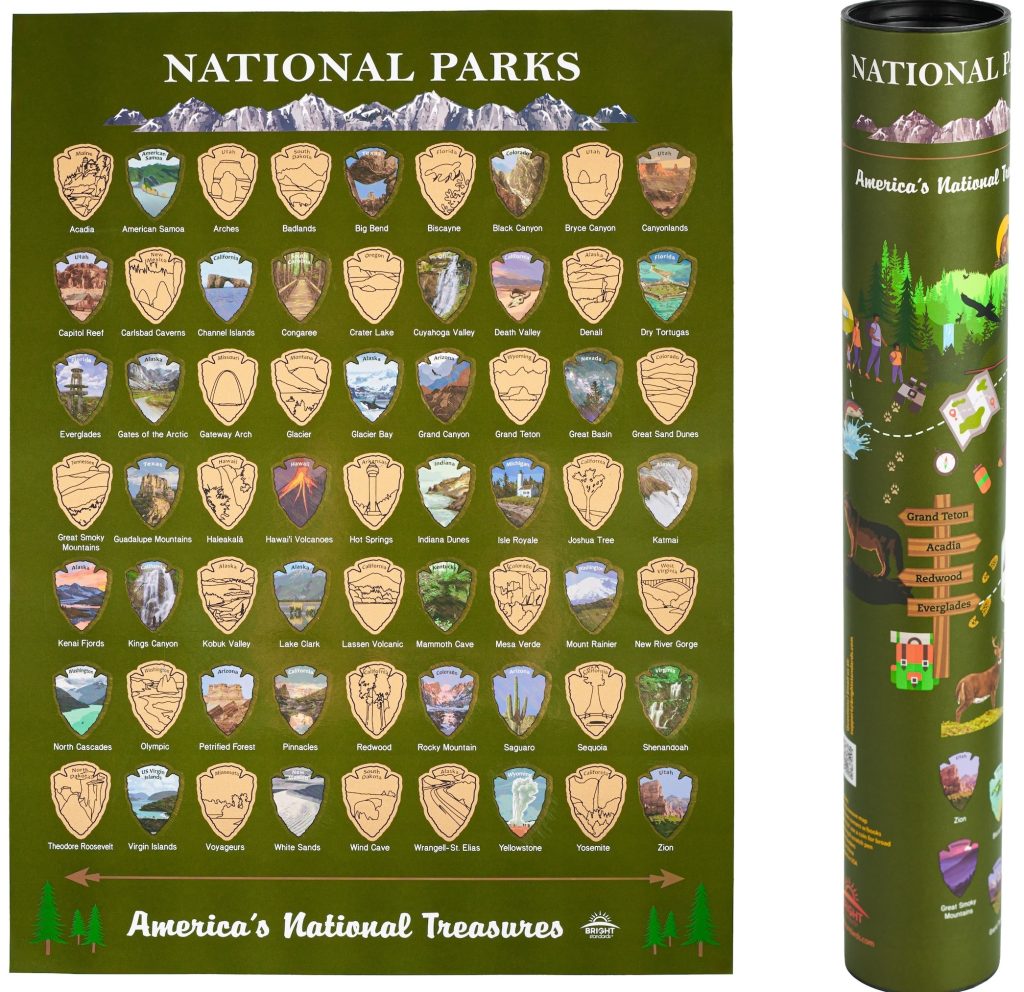
US National Parks List & Map
Want a FREE complete list and recap of all our US National Parks as well as downloadable maps and other great resources? Check out our US National Parks List and Map guide!

Frequently Asked Questions
What are the best national parks to visit in summer 2026?
The top national parks for summer 2026 include Glacier, Yellowstone, Grand Teton, Rocky Mountain, Denali, Kenai Fjords, Mount Rainier, Arches, Great Basin, and Yosemite. Summer unlocks high-elevation roads and trails that are inaccessible in other seasons, making it the best time to visit many of these parks.
Which national parks dropped reservation requirements for summer 2026?
Arches, Glacier, and Yosemite national parks all eliminated their timed-entry reservation systems for 2026. Visitors can enter on a first-come, first-served basis with a valid entrance fee or America the Beautiful Annual Pass.
Is Rocky Mountain National Park requiring reservations in summer 2026?
Yes. Rocky Mountain National Park is keeping its timed-entry reservation system through peak summer months in 2026. Reserve your entry window at recreation.gov well in advance, as slots sell out quickly.
What is the best national park to visit in July?
Glacier, Yellowstone, and Grand Teton are three of the best parks in July, when wildflowers peak, all roads are open, and wildlife is most active. Alaska parks like Denali and Kenai Fjords also shine in July with maximum daylight and warm temperatures.
How can I avoid crowds at national parks in summer?
Arrive at popular trailheads before 8 AM, visit on weekdays rather than weekends, explore areas beyond the main visitor corridors, and time viewpoint visits for golden hour before sunset. Most visitors don’t venture more than a half mile from their cars, so a short hike makes a significant difference.
Do I need a reservation to visit Yosemite in summer 2026?
No. Yosemite dropped its timed-entry reservation requirement for 2026. You can enter on a first-come, first-served basis with a valid entrance fee or America the Beautiful Annual Pass.
What is the best time to visit Glacier National Park?
Mid-July through August is the best time to visit Glacier National Park. The Going-to-the-Sun Road is fully open, wildflowers peak in the alpine meadows, and all park facilities are running. Glacier is piloting a ticketed shuttle to Logan Pass in 2026, making the shuttle the recommended option for most visitors.
Can I visit all 63 national parks in one summer?
Visiting all 63 national parks in a single summer is extremely difficult due to geographic spread — parks range from Alaska to American Samoa to Florida. Most serious collectors spread their visits over multiple years. Our US National Parks List and Map is the best tool for tracking your progress toward all 63.
What is the America the Beautiful Annual Pass and is it worth it?
The America the Beautiful Annual Pass costs $80 and covers entrance fees for you and all vehicle passengers at every national park for one year. If you’re visiting two or more parks in a summer, it typically pays for itself. It’s an essential purchase for anyone working toward all 63 national parks.
What should I pack for a summer national parks trip?
Essential items include more water than you think you need (especially in desert parks), sun protection, layers for alpine parks, bear spray for Greater Yellowstone and Alaska parks, downloaded offline maps, and sturdy hiking boots. A valid national parks pass and advance campground reservations round out your preparation.
undefined
