
Grand Teton National Park is one of northwestern Wyoming’s best-kept gems. It’s definitely one of my favorites. It’s known for its stunning mountain landscapes, diverse wildlife, and numerous outdoor activities. Covering over 310,000 acres, the park offers a range of hiking trails, each with its unique natural beauty.
Knowing what to expect and how to respond during wildlife encounters is crucial for your safety and the protection of the animals. Bears, in particular, are a significant part of the park’s ecosystem and require special attention from hikers.
Before we jump in, let’s address the question upfront. You have a moderate chance of seeing a bear while hiking in Grand Teton National Park, with sightings more likely during specific times of the year and in particular areas.
If you’re curious about when and where you’re most likely to encounter a bear, keep reading to learn the details and how to stay safe during your hike.
- Bear Population in Grand Teton National Park
- Factors Influencing Bear Sightings
- Safety Considerations
- Personal Accounts and Statistics
- Preparing for Your Hike
- Final Thoughts
- National Parks List, Map, and Complete Guide (All 63 Parks + Downloadable List & Map)
- National Parks Scratch Off Map of United States
- FAQ'S
Bear Population in Grand Teton National Park

Overview of Bear Species in the Park: In Grand Teton National Park, you can encounter two types of bears: Grizzly bears and Black bears. Grizzlies are generally larger and have a distinctive hump on their shoulders, while Black bears are smaller and can vary in color from black to brown.
Current Population Estimates: The park is home to an estimated 700 grizzly bears and 500 black bears. These numbers fluctuate due to various factors, including food availability and environmental conditions.
Bear Habitats and Their Distribution in the Park: Grizzly bears are typically found in the northern and higher elevation areas of the park. They’re often spotted near open meadows and river valleys where they can find food. Black bears, however, prefer lower elevations and forested areas, where they can forage for berries, nuts, and other vegetation. Understanding these habitats can help you determine where you are more likely to see each type of bear during your hike.
Factors Influencing Bear Sightings
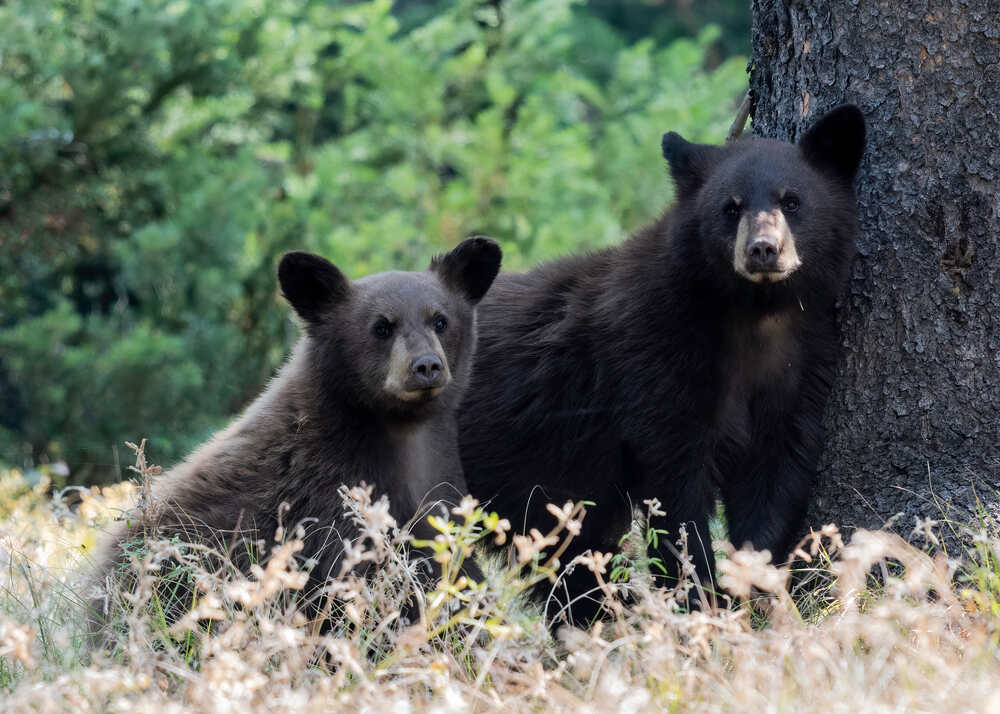
Time of Year: Bears are most active from spring through fall, with activity peaking in late spring and early summer when they search for food after hibernation. Bears are also highly active in the fall as they prepare for winter. Winter months are the least likely time for sightings since bears hibernate.
Time of Day: Bears are typically more active during early morning and late evening hours. Hiking during these times increases your chances of seeing a bear. Midday hikes are less likely to result in sightings since bears tend to rest during the hottest parts of the day.
Location: Certain areas of Grand Teton have higher bear traffic. Grizzly sightings are more common in the northern parts of the park and at higher elevations, such as near Signal Mountain and Cascade Canyon. Black bears are often spotted in lower elevation areas and forested regions, like around Jenny Lake and the Taggart Lake trail.
Human Activity: Bears tend to avoid areas with heavy human traffic. Trails and regions that are less frequented by hikers are more likely to have bear sightings. However, bears sometimes visit popular areas if food sources are available, so always stay alert regardless of the trail’s popularity.
Safety Considerations

Bear Safety Tips: Always hike in groups and make noise to avoid surprising bears. Carry bear spray and know how to use it. Stay on designated trails and avoid hiking at dawn or dusk when bears are most active. If you encounter a bear, stay calm, back away slowly, and never run.
Park Regulations: Follow all park rules, including food storage guidelines to prevent attracting bears. Some trails may be closed during peak bear activity periods to protect both hikers and bears. Always check current trail conditions and closures before you hike.
Personal Accounts and Statistics

Anecdotes from Hikers Who Have Encountered Bears: Many hikers share stories of bear encounters, ranging from brief sightings to close encounters. These personal accounts highlight the unpredictability of wildlife.
Statistical Data on Bear Sightings from Park Records: Park records indicate that there are several dozen bear sightings reported each year. Grizzly sightings are less frequent than black bear sightings.
Comparison of Bear Encounter Rates in Different Parts of the Park: Bear encounter rates vary, with higher rates in the northern areas and higher elevations. Popular trails like Cascade Canyon and the areas around Jenny Lake see more frequent sightings.
Preparing for Your Hike
Gear and Essentials: Pack bear spray and practice using it before your hike. Bring a map, compass, and a GPS device for navigation. Carry plenty of water, snacks in bear-proof containers, and a first-aid kit. Wear sturdy hiking boots for uneven terrain, and dress in layers to adapt to changing weather conditions. Don’t forget sun protection like hats, sunglasses, and sunscreen.
Planning Your Route: To minimize encounters, choose trails based on recent bear activity reports. The park’s website and visitor center provide up-to-date information on bear sightings and trail conditions. Avoid trails that are closed due to high bear activity, as these closures are in place for your safety. Plan your hike during times when bears are less active, such as midday, to reduce the chances of an encounter. Stick to well-traveled trails and hike in groups whenever possible for added safety.
Final Thoughts
To wrap things up, you have a moderate chance of seeing a bear in Grand Teton National Park, with a greater likelihood in certain seasons, times of day, and specific locations. Always follow safety precautions and park regulations to ensure a safe encounter.
While bear sightings are not guaranteed, being prepared and knowledgeable increases your chances. Understanding bear behavior and habitats can help you make informed decisions during your hike.
Grand Teton truly is one of the nation’s most scenic and iconic parks. Catching sight of incredible wildlife here, such as bears, can be a thrilling highlight of your visit. Remember, though, to always prioritize safety for yourself and the wildlife. Respect the park’s rules and stay vigilant to make your visit memorable and safe for yourself and our fuzzy bear friends.
I WOULD LOVE TO HEAR FROM YOU! Scroll to the bottom to leave a comment about a trip you’ve taken to this amazing park, any bear you may have seen, or any questions you might have.
National Parks List, Map, and Complete Guide (All 63 Parks + Downloadable List & Map)
Want a FREE complete list and recap of all our US National Parks as well as downloadable maps and other great resources? Check out our US National Parks List and Map guide!

National Parks Scratch Off Map of United States
Best Travel Gifts to Track Your Travels and Adventures! Check out the top-selling National Parks scratch off map of the United States!

FAQ’S
Should I bring bear spray to Grand Teton?
Yes, bringing bear spray is highly recommended for safety.
How many bears are in the Grand Tetons?
There are approximately 700 grizzly bears and 500 black bears in Grand Teton National Park.
Where is the best place to see bears in Grand Teton?
The northern areas and higher elevations, such as Signal Mountain and Cascade Canyon, are the best places to see bears.
Are there grizzlies in Grand Teton?
Yes, there are grizzlies in Grand Teton National Park.
Is it safe to hike without bear spray?
No, hiking without bear spray is unsafe, as it is crucial for protection in case of a bear encounter.
What time are bears most likely to be out?
Bears will most likely be out during the early morning and late evening hours.
