
Situated on the northwest coast of Washington State, Olympic National Park spans nearly a million acres and is renowned for its incredible biodiversity and stunning natural beauty. The park features three distinct ecosystems: rugged Pacific coastline, lush temperate rainforests, and majestic alpine mountains. With its vast array of hiking trails, scenic drives, and abundant wildlife, Olympic National Park offers a one-of-a-kind and unforgettable outdoor adventure.
To fully appreciate Olympic National Park, you need at least three to four days to explore its diverse landscapes, including mountains, rainforests, and coastline. However, even a one or two-day visit can be rewarding if you plan strategically. How can you make the most out of your time in the park? Read on as I explain some of the best itineraries and tips for visiting this PNW gem!
Factors to Consider
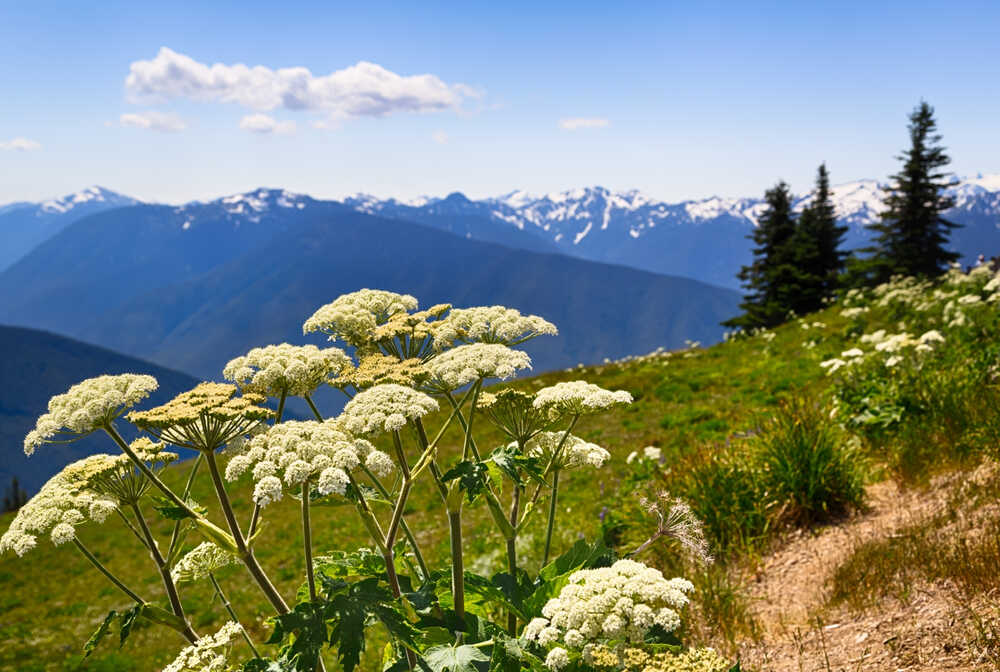
Size and Diversity of the Park: Olympic National Park is vast and features three distinct ecosystems: coastline, rainforest, and mountains. Each area has unique attractions and requires adequate time to see.
Types of Activities Available: Consider what activities you want to do. Whether it’s hiking, looking for wildlife, or scenic drives, each requires different amounts of time. Some trails and attractions are more time-consuming than others.
Visitor’s Interests and Physical Fitness Level: Your interests and physical fitness level will significantly impact your itinerary. Be sure to choose activities and trails that match your capabilities and preferences.
Seasonal Weather Conditions: Seasonal weather conditions can affect your visit. Some areas of the park may be more accessible in certain seasons, while others might be challenging or closed. Plan your visit according to the best weather conditions for the activities you want to do.
Suggested Itineraries
1. One-Day Visit
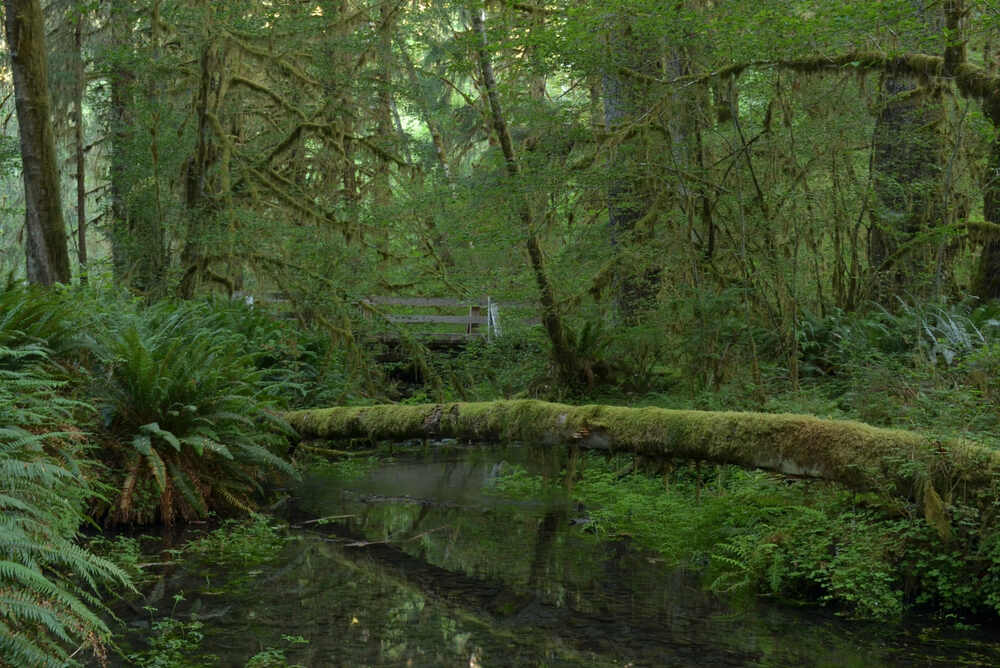
- Focus on key highlights like Hurricane Ridge for mountain views and the Hoh Rain Forest for a short hike.
- Recommended short hikes include the Hurricane Hill Trail and the Hall of Mosses Trail.
- To make the most of your day, start your visit early in the morning and aim to finish by sunset.
2. Two-Day Visit
- On the first day, visit Hurricane Ridge and explore the Hoh Rain Forest.
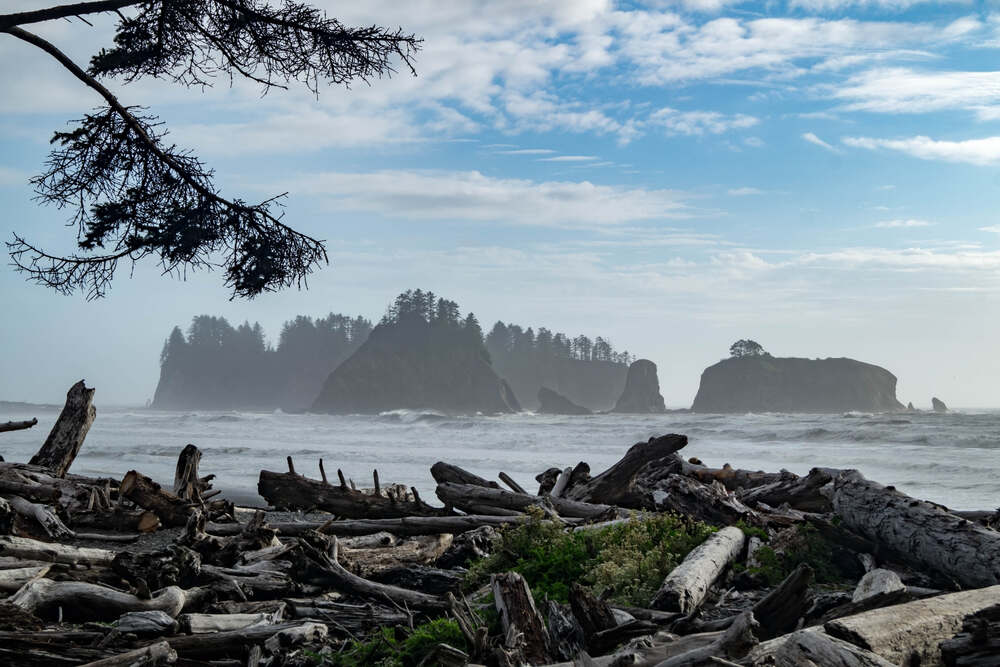
- On the second day, visit the Pacific coastline, including Rialto Beach and the tide pools at Kalaloch.
- Consider staying overnight in Port Angeles or nearby lodges for convenience.
3. Three-Day Visit
- Day one: Spend time at Hurricane Ridge and hike the Hurricane Hill Trail.
- Day two: Head over to the Hoh Rain Forest and take longer hikes like the Hoh River Trail.
- Day three: Visit the coastline, including Rialto Beach, Ruby Beach, and Lake Crescent. Plan your activities to balance hiking and scenic drives.
4. Four or More Days
- A longer stay allows you to check out all major areas more in-depth.
- Spend additional time hiking longer trails like the Enchanted Valley or visiting lesser-known spots like Sol Duc Hot Springs.
- Utilize the park’s camping or lodging options to get a better taste of Olympic’s varied landscapes and environments.
- Use extra days for a more laid-back time in the park, including easy walks, spotting wildlife, and scenic drives to less frequented areas.
Activity Highlights

Hiking Trails
- For a one-day visit, hike the Hurricane Hill Trail (moderate, 3.2 miles round trip) and the Hall of Mosses Trail (easy, 0.8 miles).
- In two days, add the Hoh River Trail (easy to moderate, up to 10 miles round trip) and the Beach Trail at Rialto Beach (easy, 2 miles round trip).
- For three days, include the Sol Duc Falls Trail (easy, 1.6 miles round trip) and the Ozette Triangle (moderate, 9.4 miles round trip).
- If staying four or more days, try the Enchanted Valley Trail (moderate to difficult, 13 miles one way) and the Mount Storm King Trail (difficult, 4.2 miles round trip).
Looking for Wildlife
- The best spots to spot wildlife include the Hoh Rain Forest, Hurricane Ridge, and the coastal areas near Kalaloch and Rialto Beach.
- For safe and respectful wildlife observation, keep a safe distance, avoid feeding animals, and use binoculars for a closer look.
Scenic Drives
- Top drives include the Hurricane Ridge Road, the Pacific Coast Highway (Highway 101), and the Sol Duc Hot Springs Road.
- The best times for photography are early morning and late afternoon when the light is softer and wildlife is more active.
Practical Tips
Best Times of the Year to Visit
- The best times to visit Olympic National Park are late spring through early fall (May to September) when the weather is more favorable and most trails are accessible.
- Summer months (June to August) offer the best weather but can be crowded. Early fall (September) provides fewer crowds and pleasant weather.
Essential Gear and Packing List
- Pack sturdy hiking boots, weather-appropriate clothing, rain jackets, and hats.
- Bring a daypack, water bottles or hydration system, snacks, sunscreen, insect repellent, and a park map.
- For overnight stays, include camping gear, toiletries, and extra layers for cooler nights.
Permit and Reservation Requirements
- Some areas of the park, such as the Hoh Rain Forest and the coast, require permits for overnight camping. These permits can be obtained in advance from the park’s website or visitor centers.
- Reservations for lodging and popular campsites are recommended, especially during peak season.
Safety Tips and Park Regulations
- Stay on designated trails to protect fragile ecosystems and avoid getting lost.
- Keep a safe distance from wildlife and never feed animals.
- Carry a first aid kit, and tell someone your itinerary if hiking alone.
- Follow Leave No Trace principles: pack out all trash, respect wildlife, and leave natural objects undisturbed.
Final Thoughts
To recap, Olympic National Park boasts countless outdoor activities you can enjoy over one to four or more days. Plan your visit according to your interests, whether they include hiking, watching wildlife, or scenic drives. When deciding how long to stay, consider the park’s size, activities available, your fitness level, and the seasonal weather.
Be sure to tailor your visit to match your personal interests and the time you have available. Use the suggested itineraries to guide your planning, and remember to pack appropriately, secure necessary permits, and follow park regulations for a safe and enjoyable trip.
For the best experience, start early, stay flexible, and take the time to appreciate the park’s numerous landscapes and wildlife. Whether you have one day or a week, careful planning will help you make the most of your visit to Olympic National Park.
I WOULD LOVE TO HEAR FROM YOU! Scroll to the bottom to leave a comment about a trip you’ve taken to this remarkable park or any questions you might have.
National Parks List, Map, and Complete Guide (All 63 Parks + Downloadable List & Map)
Want a FREE complete list and recap of all our US National Parks as well as downloadable maps and other great resources? Check out our US National Parks List and Map guide!

National Parks Scratch Off Map of United States
Best Travel Gifts to Track Your Travels and Adventures! Check out the top-selling US National Parks Map Poster of the United States!

FAQ’S
Which national park is better, Olympic or Rainier?
Olympic National Park offers more diverse landscapes, while Mount Rainier is known for its stunning alpine scenery.
How do you avoid crowds at Olympic National Park?
Visit during weekdays, early mornings, or late afternoons, and explore less popular trails and areas.
What is the least rainy month in Olympic National Park?
July is the least rainy month in Olympic National Park.
When to visit the Hoh Rainforest?
Visit the Hoh Rainforest in late spring or early fall for fewer crowds and pleasant weather.
What is the most beautiful part of the Olympic National Park?
Hurricane Ridge is often considered the most beautiful part of Olympic National Park for its breathtaking mountain views.
