
Located in the heart of the American West, Wyoming’s Grand Teton National Park showcases breathtaking landscapes, abundant wildlife, and a variety of outdoor activities. Planning the right number of days for your visit is crucial to fully appreciate everything the park has to offer without feeling rushed or overwhelmed.
In order to have the best experience at Grand Teton National Park, plan to spend at least three days. This allows you to see the main attractions, enjoy various activities, and take in the park’s natural beauty. Wondering what to do each day and how to make the most of your visit? Keep reading as I lay out some detailed itineraries and tips to help you plan the perfect trip!
Factors to Consider
First off, when planning your visit to Grand Teton National Park, consider your interests and what you like to do most. If you enjoy hiking, wildlife watching, photography, boating, or fishing, you’ll want to set aside enough time to experience each activity.
Also, take into account the time of year and weather conditions. Different seasons provide varying experiences, and the weather can dramatically affect accessibility and the types of activities available.
Additionally, your physical fitness and experience level are also important factors. For example, some trails may be more challenging and require a higher level of physical ability. Tailor your schedule to match your abilities and preferences. This will help ensure that your time is well spent in the park while staying safe.
Suggested Itineraries
One-Day Visit
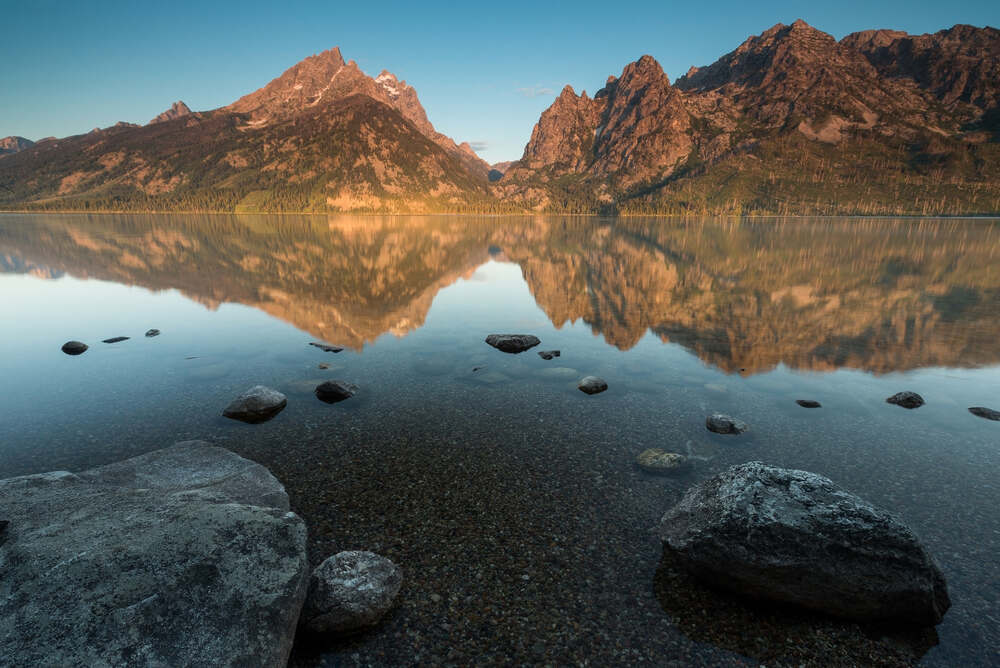
If you only have one day in Grand Teton National Park, focus on key sights and activities. Start your day with a visit to Jenny Lake, taking the shuttle boat to access the Cascade Canyon Trail for a short hike. Drive along Teton Park Road, stopping at scenic viewpoints such as Schwabacher Landing and Snake River Overlook. End your day with a visit to the Colter Bay Visitor Center.
Two-Day Visit

For a two-day visit, you can explore more of the park’s iconic landmarks and enjoy a few easy hikes.
Day 1: Visit Jenny Lake and take the shuttle boat to hike Cascade Canyon. Drive the Teton Park Road, stopping at scenic points like Schwabacher Landing. Visit the Craig Thomas Discovery and Visitor Center.
Day 2: Start with a hike to Taggart Lake, then take a boat tour on Jackson Lake. In the afternoon, join a ranger program or visit the Laurance S. Rockefeller Preserve for a quieter experience.
Three-Day Visit
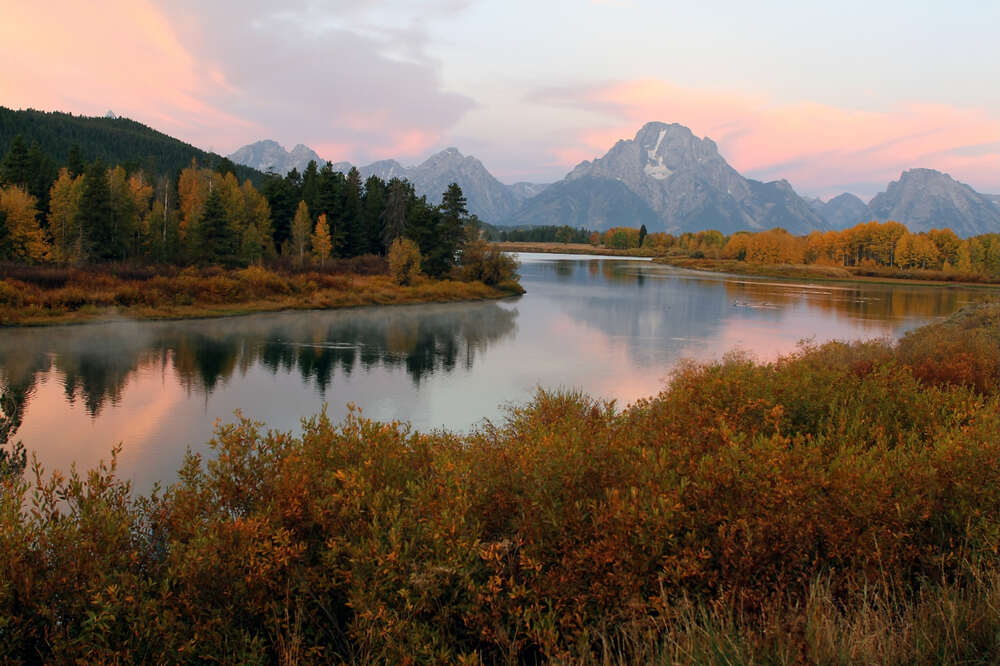
Three days spent in Grand Teton allows for a fuller visit with a mix of sights, hikes, and activities.
Day 1: See major sights such as Jenny Lake, Cascade Canyon, and Teton Park Road. Enjoy short hikes and scenic viewpoints.
Day 2: Take on moderate hikes like the Taggart Lake Trail or the Death Canyon Trail. Spend time wildlife spotting in areas like Oxbow Bend.
Day 3: Enjoy water activities such as kayaking on Jenny Lake or a scenic float trip on the Snake River. Explore less-visited areas like the Laurance S. Rockefeller Preserve or take a backcountry hike.
Four or More Days
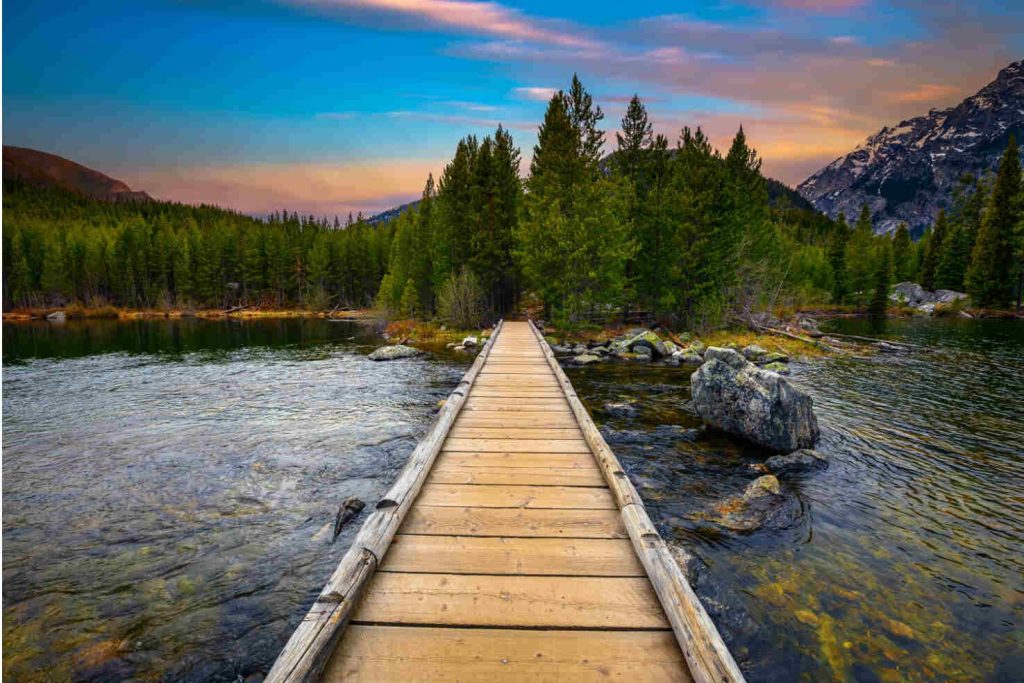
For an in-depth exploration, plan for four or more days to fully appreciate the park’s vast landscape and array of outdoor adventures.
Combine various activities to create a balanced itinerary:
- Backcountry hiking and overnight camping for those with the appropriate skills and gear.
- Extended wildlife tours in areas known for animal activity.
- Cultural experiences, including visits to historic sites and ranger-led programs.
- Relaxation time at scenic spots, allowing you to take in the park’s beauty at a slower pace.
Tips for a Great Visit
Best Times to Visit
Moreover, the best times to visit Grand Teton National Park are late spring through early fall (May to September). During these months, most facilities and roads are open, and the weather is favorable for outdoor activities. Summer is the peak season, with the warmest temperatures and longest daylight hours. Fall provides fewer crowds and beautiful foliage but be prepared for cooler weather and some facility closures.
Recommended Gear and Preparations
Clothing: Dress in layers to accommodate changing weather conditions. Include a waterproof jacket, sturdy hiking boots, and moisture-wicking clothing.
Essentials: Bring a hat, sunglasses, sunscreen, insect repellent, and a reusable water bottle. A good map or GPS device is crucial for navigating the park’s trails.
Safety Gear: Pack a basic first aid kit, bear spray for wildlife encounters, and a flashlight or headlamp for early morning or evening activities.
Accommodation Options
Camping: The park has several campgrounds, including Jenny Lake, Colter Bay, and Gros Ventre. Reservations are recommended, especially during peak season.
Lodges and Cabins: Inside the park, you’ll find lodges like Jackson Lake Lodge and Colter Bay Village. Nearby towns like Jackson have additional lodging options ranging from budget motels to luxury resorts.
Backcountry Camping: For a more adventurous stay, consider backcountry camping. Permits are required, so plan ahead and be prepared for a more rugged experience.
Park Regulations and Safety Tips
Wildlife Safety: Always maintain a safe distance from wildlife. Use binoculars or a zoom lens for viewing. Carry bear spray and know how to use it.
Trail Etiquette: Stay on marked trails to protect the environment and avoid getting lost. Yield to uphill hikers and be courteous to others.
Leave No Trace: Pack out all trash, respect wildlife, and leave natural objects and cultural artifacts undisturbed.
Weather Awareness: Weather can change rapidly in the mountains. Check the forecast daily and be prepared for sudden changes.
Final Thoughts
To recap, the number of days you spend in Grand Teton National Park depends on your interests, activities, and physical fitness. One day allows you to see the main highlights, while two to three days lets you explore more trails and activities. Four or more days give you the chance to delve deeper into everything the park has to offer.
Choose the duration of your visit based on what you enjoy most, whether it’s hiking, wildlife watching, photography, or boating. Tailor your itinerary to suit your fitness level and the time of year you visit.
Finally, remember to plan ahead, bring the right gear, and follow park regulations. So what are you waiting for? Plan your trip to one of the nation’s most iconic national parks today!
I WOULD LOVE TO HEAR FROM YOU! Scroll to the bottom to leave a comment about a trip you’ve taken to this remarkable park or any questions you might have.
National Parks List, Map, and Complete Guide (All 63 Parks + Downloadable List & Map)
Want a FREE complete list and recap of all our US National Parks as well as downloadable maps and other great resources? Check out our US National Parks List and Map guide!

National Parks Scratch Off Map of United States
Best Travel Gifts to Track Your Travels and Adventures! Check out the top-selling National Parks scratch off map of the United States!

FAQ’S
How much time do you need at Grand Teton National Park?
You need at least three days to fully experience the main attractions and activities in Grand Teton National Park.
How many days do you need to visit Jackson Hole, Wyoming?
Two to three days are ideal for exploring Jackson Hole, including its shops, restaurants, and nearby outdoor activities.
Is Yellowstone or Grand Teton better?
Both parks offer unique experiences; Yellowstone is known for its geothermal features and wildlife, while Grand Teton offers stunning mountain scenery and excellent hiking opportunities.
How long does it take to drive the loop in Grand Teton National Park?
It takes about 1.5 to 2 hours to drive the 42-mile loop in Grand Teton National Park without stopping.
Do you need a car for Grand Teton?
Yes, having a car is highly recommended for exploring Grand Teton National Park due to the distances between attractions and the limited availability of public transportation.
How likely is it to see a bear in Grand Teton?
Bear sightings are relatively common in Grand Teton, especially during early morning or late evening hours.
How far apart are Grand Teton and Yellowstone?
Grand Teton and Yellowstone National Parks are approximately 10 miles apart, with the John D. Rockefeller, Jr. Memorial Parkway connecting them.
