
California’s Joshua Tree National Park is renowned for its striking desert landscapes, unique Joshua trees, and dramatic rock formations. It offers a range of activities, including hiking, rock climbing, stargazing, and plenty of opportunities to spot wildlife.
Deciding how many days to spend in Joshua Tree National Park is crucial for maximizing your experience, ensuring you can explore the park’s diverse attractions without feeling rushed or overwhelmed.
Plan for at least two to three days to fully enjoy Joshua Tree National Park’s main highlights and activities. This duration allows you to view the primary attractions and activities while appreciating the park’s natural beauty.
Wondering what activities and sights should be on your itinerary? Read on as I outline several must-do itineraries for your next visit to Joshua Tree National Park!
Factors to Consider
Your Interests:
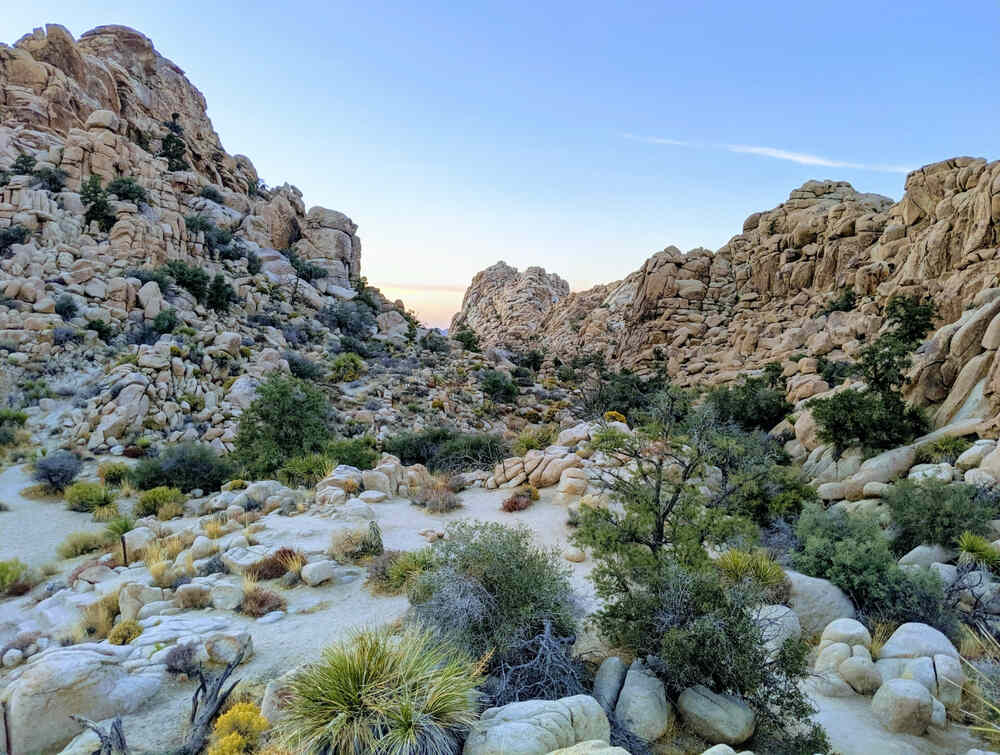
Hiking: If you’re an avid hiker, you’ll want to spend more time exploring the park’s numerous trails, which range from easy walks to challenging hikes like the Ryan Mountain Trail.
Rock Climbing: Joshua Tree is a world-renowned destination for rock climbing. If this is your primary interest, you may want to dedicate several days to tackling different climbing spots.
Photography: With its one-of-a-kind landscapes and extraordinary sunsets, photographers will find plenty to capture. More time in the park allows you to visit various locations during different times of the day.
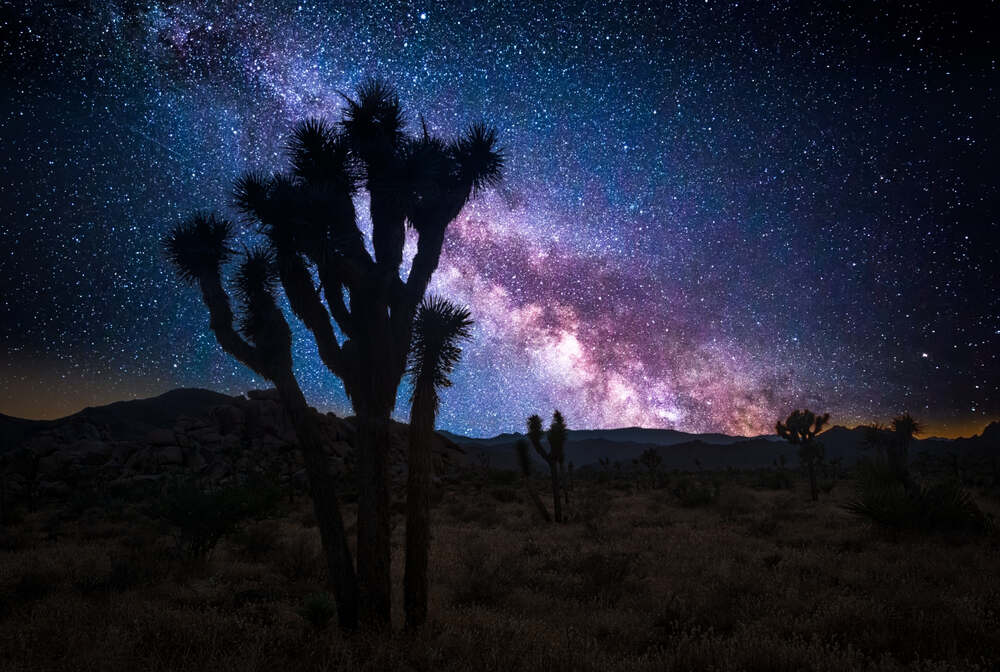
Stargazing: Joshua Tree’s dark skies are perfect for stargazing. Spending a night or two in the park will let you experience the stars in their full glory.
Wildlife Viewing: The park is home to a variety of wildlife, including bighorn sheep, coyotes, and numerous bird species. Extended stays increase your chances of spotting these animals.
Season and Weather:
Best Times to Visit: Spring (March to May) and fall (October to November) provide the most pleasant weather, making these the best times to visit. Summers can be sweltering, and winters can bring chilly nights.
Weather Conditions: Weather impacts your activities significantly. Hot temperatures in summer may limit hiking and climbing, while cooler months are more suitable for these activities.
Travel Time:
Distance from Major Cities: Joshua Tree National Park is about a two-hour drive from Los Angeles and a three-hour drive from San Diego. Consider this travel time when planning your visit.
Time Required for Travel: Account for travel time to and from the park to ensure you have enough time to explore once you arrive. If you’re coming from farther away, you might need additional days for travel and recovery.
Recommended Duration
One Day Visit:
Suitable for Quick Trips: A one-day visit is perfect if you’re short on time but still want to see some of the park’s main attractions.
Highlights of Must-See Spots: Focus on key locations like Hidden Valley, Barker Dam, and Keys View. These spots allow for a glimpse into the park’s phenomenal landscapes and are accessible within a short timeframe.
Two to Three Days:
Ideal for a More Relaxed Exploration: Spending two to three days in Joshua Tree allows you to explore the park at a more leisurely pace.
Day 1: Start with popular spots like Hidden Valley and Barker Dam. In the afternoon, visit Keys View for panoramic desert views.
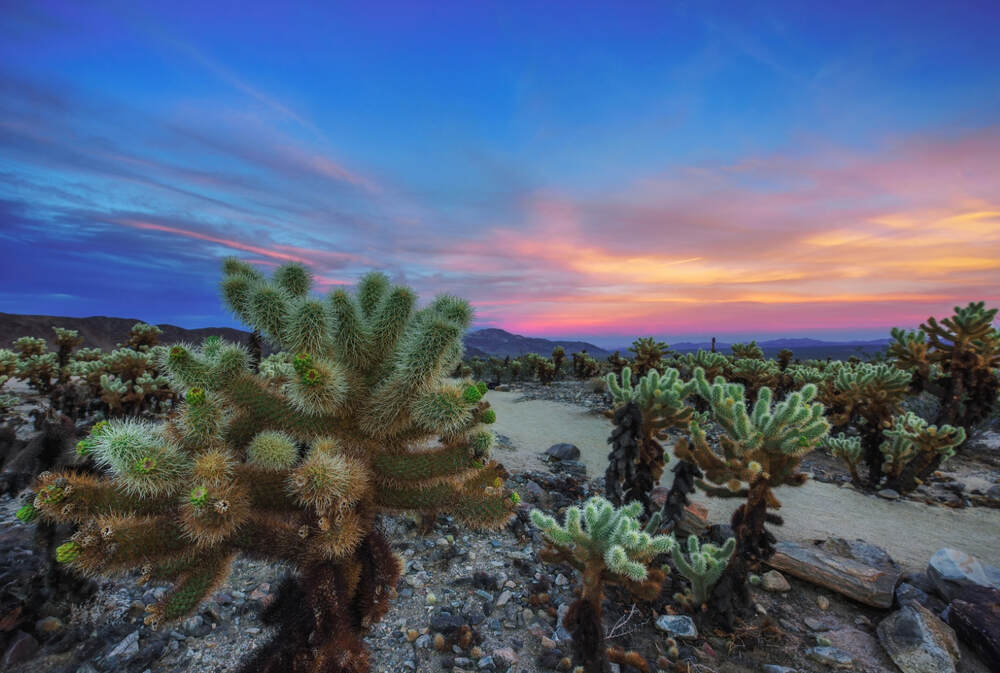
Day 2: Explore Cholla Cactus Garden and Skull Rock. Include a hike on the Ryan Mountain Trail for a rewarding view of the park.
Day 3 (Optional): Dedicate this day to either additional hiking, such as the Lost Horse Mine Trail, or activities like rock climbing or stargazing.
Four or More Days:
Best for Thorough Exploration: A stay of four days or longer lets you delve deeper into what Joshua Tree has to offer.
Backcountry Camping: Spend a night or two camping in the backcountry to experience the solitude and beauty of the desert.
Extensive Hikes: Take on longer hikes and explore remote areas of the park, such as the Wonderland of Rocks or the Pinto Basin.
Sample Itineraries

One-Day Itinerary:
Morning: Arrive at the park and start with a visit to Hidden Valley, a popular spot known for its scenic views and short, easy hike.
Afternoon: Head to Barker Dam for a moderate hike, then drive to Keys View for panoramic vistas of the Coachella Valley and San Andreas Fault.
Evening: Enjoy the sunset at Keys View and stay for stargazing, as Joshua Tree is renowned for its clear, dark skies.
Two-Day Itinerary:
Day 1: Follow the one-day itinerary, visiting Hidden Valley, Barker Dam, and Keys View.
Day 2: In the morning, explore the Cholla Cactus Garden and Skull Rock. In the afternoon, tackle a longer hike like the Ryan Mountain Trail for a challenging but rewarding trek with excellent views.
Three-Day Itinerary:
Day 1: Focus on the major highlights per the one-day itinerary.
Day 2: Dedicate this day to additional hikes and less-visited areas. Consider exploring the Split Rock Loop or hiking to the 49 Palms Oasis.
Day 3: Spend your final day rock climbing at popular spots like Intersection Rock, or venture to more remote areas like the Lost Horse Mine for a hike through historical mining sites.
Four-Day Itinerary:
Day 1: Follow the major highlights itinerary from the first day.
Day 2: Continue with additional hikes, such as the Boy Scout Trail or the Wonderland of Rocks.
Day 3: Focus on rock climbing or take longer hikes to areas like the Indian Cove.
Day 4: Take part in backcountry exploration, setting up camp in a remote area to fully experience the solitude and beauty of Joshua Tree’s wilderness.
Tips for Maximizing Your Visit
Planning Your Routes: Use a park map and plan your routes to cover key attractions efficiently. Early starts help avoid crowds and heat.
Packing Essentials: Bring plenty of water, sun protection, sturdy hiking shoes, and layers for varying temperatures. Don’t forget a flashlight for evening activities.
Safety Considerations: Stay on marked trails, be aware of wildlife, and inform someone of your plans. Carry a first aid kit and be prepared for changing weather conditions.
Final Thoughts
In the end, the duration of your visit to Joshua Tree National Park depends on your interests and available time. One day covers the major highlights, two to three days make for more relaxed exploration, and four or more days allow for in-depth activities like backcountry camping and extensive hikes.
When planning your trip, consider your interests, the season, and travel time. Tailor the length of your visit to suit your preferences and activities you wish to enjoy. Whether you’re hiking, rock climbing, or stargazing, Joshua Tree has something for everyone. Plan your trip to this unique southern California national park gem today!
I WOULD LOVE TO HEAR FROM YOU! Scroll to the bottom to leave a comment about a trip you’ve taken to this remarkable park or any questions you might have.
National Parks List, Map, and Complete Guide (All 63 Parks + Downloadable List & Map)
Want a FREE complete list and recap of all our US National Parks as well as downloadable maps and other great resources? Check out our US National Parks List and Map guide!

National Parks Scratch Off Map of United States
Best Travel Gifts to Track Your Travels and Adventures! Check out the top-selling National Parks scratch off map of the United States!

FAQ’S
Is there a lot to do in Joshua Tree?
Yes, Joshua Tree offers a variety of activities, including hiking, rock climbing, stargazing, photography, and wildlife viewing.
What are the busiest days at Joshua Tree?
Weekends and holidays are typically the busiest days at Joshua Tree National Park.
Is it better to go to Joshua Tree in the morning or evening?
Both morning and evening are great times to visit; mornings are cooler and less crowded, while evenings offer stunning sunsets and stargazing opportunities.
When not to visit Joshua Tree?
Avoid visiting during the peak summer months (June to August) due to extreme heat.
What is so special about Joshua Tree?
Joshua Tree is unique for its distinctive Joshua trees, striking desert landscapes, and world-class rock climbing.
Do you need to book Joshua Tree in advance?
Reservations are not required for day visits, but you should book campgrounds and accommodations in advance, especially during peak seasons.
