
The state of Utah is renowned for its vast and varied landscape, offering everything from red rock formations to lush canyons. Unsurprisingly, the state is home to several national parks, often referred to as “The Mighty 5.”
Utah boasts five spectacular national parks: Arches, Bryce Canyon, Canyonlands, Capitol Reef, and Zion.
Each park has unique features and adventures that attract millions of visitors each year. As you read on, I’ll discuss the names and locations of these parks, what makes each one special, and why they should be on your travel list for your next Southwestern road trip.
- Overview of Utah's National Parks
- Arches National Park
- Bryce Canyon National Park
- Canyonlands National Park
- Capitol Reef National Park
- Zion National Park
- Comparison of the Parks
- Final Thoughts
- National Parks List, Map, and Complete Guide (All 63 Parks + Downloadable List & Map)
- National Parks Scratch Off Map of United States
- FAQ'S
Overview of Utah’s National Parks
Arches National Park: This park has over 2,000 natural stone arches, making it a must-visit for anyone interested in spectacular geological formations. Key highlights include Delicate Arch and Landscape Arch.
Bryce Canyon National Park: Known for its distinctive hoodoos, which are tall, thin rock spires, Bryce Canyon has breathtaking views from points like Bryce Amphitheater, Sunrise Point, and Sunset Point.
Canyonlands National Park: Divided into four districts—Island in the Sky, The Needles, The Maze, and the rivers—Canyonlands provides a variety of landscapes and activities. Notable sites include Mesa Arch and the Green River Overlook.
Capitol Reef National Park: This park is famous for its Waterpocket Fold, a one-of-a-kind geological monocline. You can explore sites such as the Fruita Historic District and Hickman Bridge.
Zion National Park: Known for its steep red cliffs and slot canyons, Zion is perfect for those who love adventure. Popular hikes include Angels Landing and The Narrows.
Arches National Park
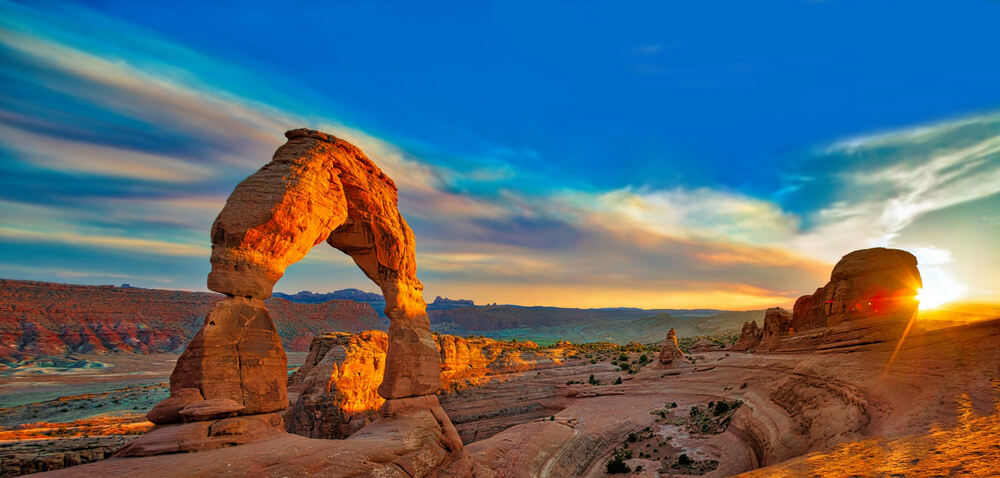
Location: Eastern Utah, near the town of Moab.
Highlights:
- Natural Stone Arches: Over 2,000 natural stone arches, including the famous Delicate Arch and Landscape Arch, are located in the park. These formations provide stunning views and fantastic photo opportunities.
- Other Features: In addition to arches, you’ll see balanced rocks, spires, and pinnacles, each showcasing the park’s geological history.
Activities:
- Hiking: Explore various trails, from easy walks to more challenging hikes. Popular trails include the Delicate Arch Trail and the Devil’s Garden Loop.
- Photography: Capture the dramatic landscapes and astonishing formations, especially during sunrise and sunset.
- Stargazing: Recognized as an International Dark Sky Park, Arches boasts excellent stargazing opportunities, with clear views of stars, planets, and the Milky Way.
Bryce Canyon National Park

Location: Southwestern Utah.
Highlights:
- Distinctive Hoodoos: You’ll see the park’s famous hoodoos, tall, thin rock spires formed by natural erosion.
- Famous Viewpoints: Visit Bryce Amphitheater, Sunrise Point, and Sunset Point for stunning views of the hoodoos and surrounding landscape.
Activities:
- Hiking: Explore trails like the Navajo Loop Trail, which takes you among the hoodoos, and the Rim Trail, allowing for spectacular views from above.
- Horseback Riding: Join guided horseback riding tours to experience the park’s rugged terrain.
- Scenic Drives: Take the 18-mile scenic drive along the park road, stopping at various overlooks for breathtaking views.
Canyonlands National Park
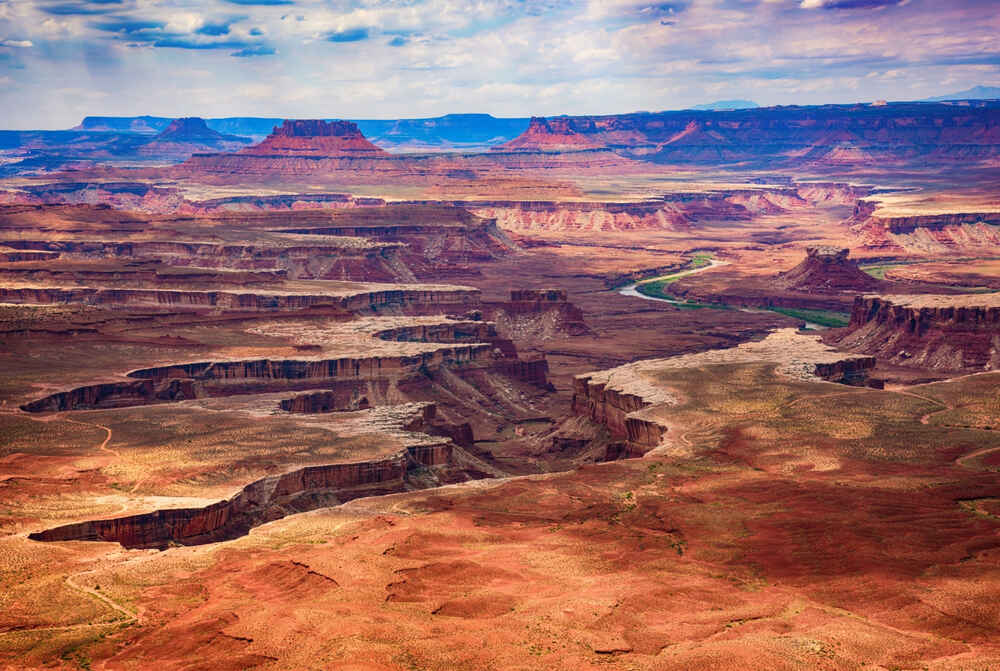
Location: Southeastern Utah, near Moab.
Highlights:
Four Districts: You can explore four distinct areas: Island in the Sky, The Needles, The Maze, and the rivers, each containing unique landscapes and outdoor activities.
Famous Landmarks: Visit Mesa Arch for a stunning view, especially at sunrise. The Green River Overlook has expansive views of the canyon below.
Activities:
Off-Roading: The Needles and The Maze offer off-roading adventures, with 4WD trails providing exciting challenges.
Hiking: Explore various hiking trails, from short walks to longer, more strenuous hikes. Popular trails include the Island in the Sky’s Mesa Arch Trail and The Needles’ Chesler Park Loop.
Whitewater Rafting: If you’re up for a good adventure, try whitewater rafting on the Colorado and Green Rivers, which flow through the park’s canyons.
Capitol Reef National Park
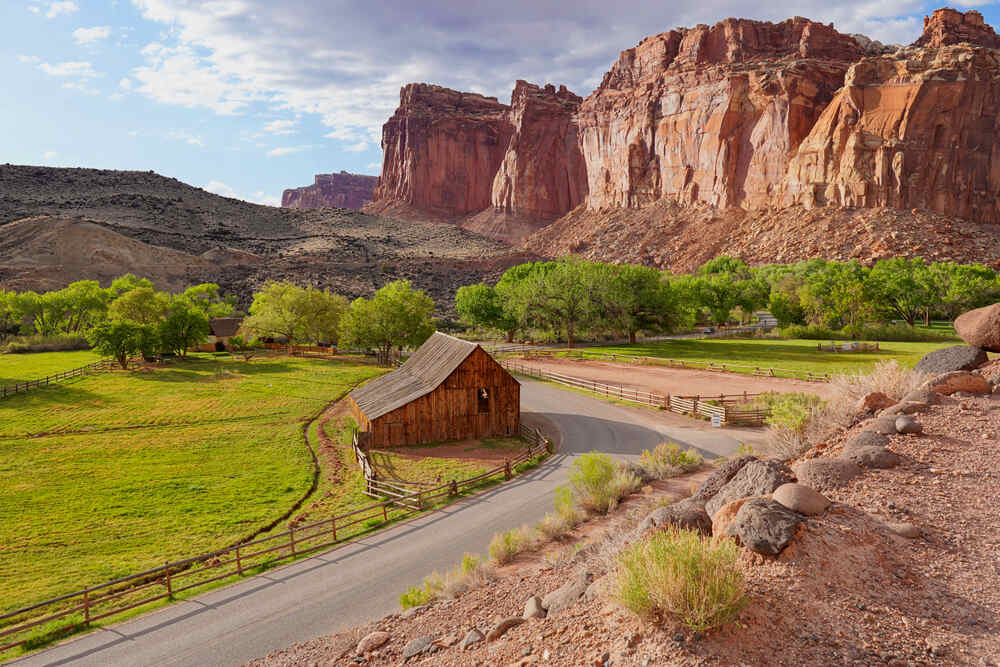
Location: South-central Utah.
Highlights:
Waterpocket Fold: You will see the park’s most notable feature, a geological monocline that stretches for nearly 100 miles.
Famous Sites: Visit the Fruita Historic District, where you can explore remnants of a pioneer settlement, and Hickman Bridge, a natural stone arch accessible via a short hike.
Activities:
Hiking: You can enjoy various hiking trails, such as the Hickman Bridge Trail and the Grand Wash Trail, which offer scenic views and geological features.
Scenic Drives: Take the Scenic Drive through the heart of the park for spectacular views of cliffs, canyons, and exceptional rock formations.
Fruit Picking: In season, you can pick fruit in the historic orchards within the Fruita area, including apples, peaches, and cherries.
Zion National Park

Location: Southwestern Utah.
Highlights:
Steep Red Cliffs and Slot Canyons: You will be surrounded by impressive red cliffs and narrow slot canyons that define the park’s landscape.
Famous Hikes: Take on the challenge of Angels Landing, a strenuous hike with rewarding views, or explore The Narrows, where you hike through a river within a narrow canyon.
Activities:
Hiking: Enjoy numerous hiking trails, ranging from easy walks to strenuous climbs. Popular trails include the Emerald Pools Trail and Observation Point.
Canyoneering: For a thrilling adventure, try canyoneering in the park’s slot canyons, which combine hiking, climbing, and rappelling.
Rock Climbing: Zion’s sandstone cliffs offer excellent rock climbing opportunities, with routes for both beginners and experienced climbers.
Comparison of the Parks
Geographical Diversity: Each one of Utah’s national parks showcases a distinct landscape. Arches have numerous stone arches, Bryce Canyon features hoodoos, Canyonlands contain vast canyons, Capitol Reef showcases a geological monocline, and Zion is known for steep red cliffs and slot canyons.
Accessibility: Zion and Bryce Canyon are easily accessible and have well-developed facilities and amenities. Arches and Canyonlands, near Moab, are also convenient but have fewer amenities. Capitol Reef is more remote, providing a quieter experience with fewer crowds.
Best Time to Visit: Spring and fall are ideal for visiting all parks due to mild weather. Summer can be hot, especially in Arches and Canyonlands. At the same time, winter brings cold and snow, particularly in Bryce Canyon and Zion, affecting accessibility.
Final Thoughts
To wrap things up, the national parks in Utah, known as “The Mighty 5,” boast unique landscapes and outdoor activities. From the stone arches of Arches National Park to the hoodoos of Bryce Canyon, the vast canyons of Canyonlands, the geological wonders of Capitol Reef, and the red cliffs of Zion, these parks showcase the diverse beauty of Utah’s natural environment.
I highly recommend you explore these remarkable Southwestern gems. They’re the perfect place to enjoy a range of activities, such as hiking, photography, stargazing, and more. Each park has distinct features and adventures, so don’t be mistaken in thinking they’re all the same! Even if you can’t visit all 5 in one trip, an adventure in just one is sure to blow you away. Come check out what national parks the Beehive State has to offer today!
I WOULD LOVE TO HEAR FROM YOU! Scroll to the bottom to leave a comment about a trip you’ve taken to any of these remarkable parks or any questions you might have.
National Parks List, Map, and Complete Guide (All 63 Parks + Downloadable List & Map)
Want a FREE complete list and recap of all our US National Parks as well as downloadable maps and other great resources? Check out our US National Parks List and Map guide!

National Parks Scratch Off Map of United States
Best Travel Gifts to Track Your Travels and Adventures! Check out the top-selling National Parks scratch-off map of the United States!

FAQ’S
What are the big 5 national parks in Utah?
Utah’s big 5 national parks are Arches, Bryce Canyon, Canyonlands, Capitol Reef, and Zion.
How far apart are the five national parks in Utah?
The parks range from about 30 to 300 miles apart, making them a few hours’ drive from each other.
Which is better, Zion or Bryce?
Zion is better for hiking and canyoneering, while Bryce is known for its remarkable hoodoo rock formations and stunning viewpoints.
What is the least visited national park in Utah?
Capitol Reef National Park is the least visited among Utah’s national parks.
Why is Bryce Canyon so special?
Bryce Canyon is special for its distinctive hoodoos, which are tall, thin rock spires that create a unique and dramatic landscape.
Why is Zion so popular?
Zion is popular for its stunning red cliffs, scenic drives, and famous hikes, such as Angels Landing and The Narrows.
