
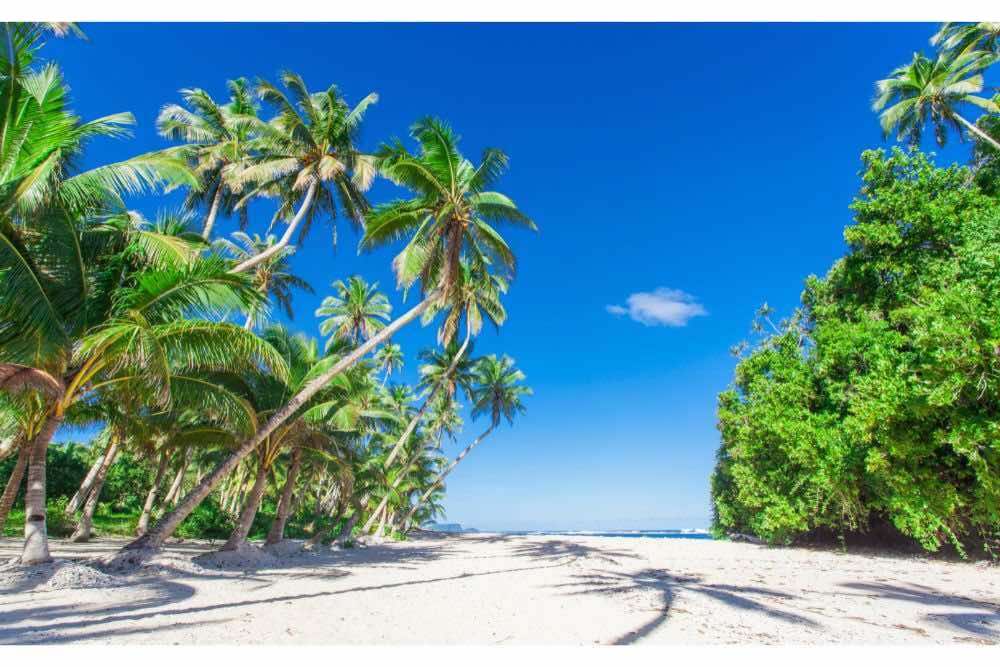
Imagine standing on a pristine beach where you’re one of fewer than 2,500 annual visitors, gazing at coral reefs teeming with 950 species of fish, surrounded by rainforest-covered volcanic peaks rising straight from the Pacific Ocean. This isn’t a fantasy. It’s American Samoa National Park, the most remote and least-visited park in the entire US National Park system.
Located 2,600 miles southwest of Hawaii in the heart of the South Pacific, American Samoa National Park challenges even the most dedicated park enthusiasts. With no direct flights from the US mainland and limited weekly service from Honolulu, reaching this tropical paradise requires serious planning and commitment. For help planning your overall national parks journey, our US National Parks List and Map provides a complete overview of all 63 parks.
This comprehensive guide reveals how to efficiently combine American Samoa with Hawaii’s two national parks (Haleakalā and Hawaiʻi Volcanoes), turning a logistically complex trip into an unforgettable Pacific adventure. From flight schedules and booking strategies to detailed island-by-island breakdowns and sample itineraries, everything you need to plan your visit to America’s most remote national park awaits below.
- Where in the World is American Samoa?
- American Samoa's Fascinating History
- Why Combine Hawaii's National Parks with American Samoa
- Getting to American Samoa: Flights and Logistics
- Hawaii's Two National Parks
- American Samoa National Park: Complete Island-by-Island Guide
- Sample Itineraries
- Planning Your Visit: Practical Information
- Final Thoughts
- Track Your National Parks Bucket List
- US National Parks List & Map
- FAQs
Where in the World is American Samoa?
American Samoa sits in the South Pacific Ocean approximately 2,600 miles southwest of Hawaii and 1,600 miles northeast of New Zealand. This unincorporated US territory comprises five volcanic islands and two coral atolls spread across the Polynesian region, with most of the territory’s 47,000 residents living on the main island of Tutuila.
The territory’s location places it just south of the equator and east of the International Date Line, making it one of the westernmost and southernmost points under US sovereignty. It’s also the only US territory located in the Southern Hemisphere, a distinction that contributes to its remote appeal.
The National Park of American Samoa protects portions of three islands: Tutuila (the largest and most accessible), Ofu (home to what many consider the most beautiful beach in the South Pacific), and Ta’u (the most remote, featuring pristine rainforest and dramatic sea cliffs). Together, these islands preserve 13,500 acres of land and coral reef representing one of the last intact paleotropical rainforests in US territory.
Understanding the geography helps explain why all visitors must route through Hawaii. There simply are no other options for reaching this distant outpost of American territory.
American Samoa’s Fascinating History
Understanding American Samoa’s unique history enriches any visit to the national park, as the territory’s past directly shapes how the park operates today.
Ancient Polynesian Settlement
Polynesian voyagers settled the Samoan islands around 1000 BCE, likely sailing from Tonga in double-hulled canoes using expert navigation skills based on stars, currents, and ocean patterns. These early settlers brought with them a sophisticated culture that has endured for over 3,000 years, making Samoan culture one of the oldest continuous cultures in Polynesia.
The name “Samoa” itself means “sacred earth” in the Samoan language, reflecting the deep spiritual connection between the people and their land. This connection remains central to island life today.
European Contact and US Acquisition
Dutch explorer Jacob Roggeveen became the first European to sight Samoa in 1722, followed by French and British explorers and eventually Christian missionaries in the 1830s. By the late 1800s, Germany, Britain, and the United States competed for control of the strategically valuable Samoan islands.
The 1899 Tripartite Convention settled these rivalries by dividing Samoa: Germany took control of the western islands (now the independent nation of Samoa), while the United States gained the eastern islands. Local Samoan chiefs formally ceded Tutuila and Aunu’u to the United States in 1900, with the Manu’a islands (including Ta’u and Ofu) following in 1904.
A Unique Territorial Status
Unlike most US territories, American Samoa has never been formally incorporated into the United States through an Organic Act of Congress. Instead, it operates under a constitution that took effect in 1967, maintaining a semi-autonomous status that allows the territory to preserve its traditional culture and governance systems.
Most remarkably, the National Park Service doesn’t actually own the parkland. Instead, the land remains owned by local Samoan villages and families who lease it to the National Park Service through 50-year agreements. This unique arrangement, finalized in 1993, allows Samoans to continue traditional uses of the land while protecting it for future generations. American Samoa is the only national park in the system operating under this model.
Why Combine Hawaii’s National Parks with American Samoa
For travelers serious about visiting all 63 US national parks, combining American Samoa with Hawaii’s two parks transforms a logistically challenging trip into an efficient Pacific circuit. Here’s why this strategy makes sense:
Geography and Flight Logistics
American Samoa has no direct flights from the mainland United States. The only way to reach Pago Pago International Airport is through Honolulu, making a Hawaii stopover not just convenient but mandatory. Since you’re already flying to Hawaii (a 5+ hour flight from most mainland cities), visiting Haleakalā on Maui and Hawaiʻi Volcanoes on the Big Island adds minimal additional travel time while checking three parks off your list in one trip.
Target Audience: Serious Park Collectors
Visitors to American Samoa National Park skew heavily toward those attempting to visit all 63 parks. The 2,135 annual visitors (compared to over 4 million at Yosemite) represent some of the most dedicated national park enthusiasts in the country. These travelers appreciate efficiency and understand that combining three parks in one Pacific journey maximizes both time and investment.
This same audience represents your ideal customer for national parks scratch-off maps and tracking tools. People who actively monitor their progress toward visiting all parks want visual ways to document their achievements.
Cost Efficiency
Round-trip flights from the mainland to Hawaii typically cost $300-600. The additional Honolulu to Pago Pago leg runs $526-1,290 round-trip. While expensive, this costs less than booking a separate trip would. By visiting Hawaii’s parks during the same journey, you’re essentially getting two additional national parks for the cost of inter-island flights within Hawaii (typically $80-150 each way).
Complementary Experiences
These three parks offer distinctly different experiences that together showcase Pacific ecosystems:
- Haleakalā: Volcanic summit, alpine desert, silverswords
- Hawaiʻi Volcanoes: Active lava, lava tubes, volcanic creation in progress
- American Samoa: Tropical rainforest, pristine coral reefs, intact Polynesian culture
Rather than feeling repetitive, each park provides unique highlights that complement rather than compete with each other.

Getting to American Samoa: Flights and Logistics
The most critical piece of planning your American Samoa visit centers on understanding the limited flight options and booking strategically.
Flight Routes and Airlines
Hawaiian Airlines (now operated by Alaska Airlines under the Hawaiian brand) provides the only commercial service between Honolulu and Pago Pago. These flights operate as a codeshare, meaning you might see flight numbers listed under both Hawaiian (HA) and Alaska (AS) airlines, but Hawaiian operates the actual aircraft.
Flight frequency:
- 2-3 times weekly (not daily!)
- Winter schedule (roughly October-May): Monday and Thursday
- Summer schedule (roughly June-September): Monday, Wednesday, and Thursday
Flight duration: 5 hours 40 minutes
Aircraft: Airbus A330
The KEY Planning Factor: Flight Days
Here’s what matters most: your entire itinerary must work around Monday and Thursday departures (with Wednesday added in summer). This constraint determines your trip length more than anything else.
Example: If you fly out Thursday, your return options are the following Monday (4 full days in American Samoa) or the Thursday after that (11 days). There’s no Tuesday or Friday option.
Booking Strategy and Timing
Given the limited frequency, booking well in advance becomes essential:
- Book 3-6 months ahead for best availability and pricing
- Check both directions when planning dates. You’re constrained by departure AND return flight days
- Build flexibility into your itinerary. Weather delays or operational changes can affect these flights
- Monitor prices starting 4-5 months out. Fares fluctuate between $526-1,290 round-trip from Honolulu
Realistic Trip Lengths
American Samoa Only (4-5 Days Total):
If you live on the West Coast or can connect efficiently, you can visit American Samoa in a long weekend:
- Day 1: Fly mainland to Honolulu, connect same day to Pago Pago (Thursday departure)
- Days 2-4: American Samoa (3 full days on Tutuila)
- Day 5: Fly Pago Pago to Honolulu, connect home same day (Monday return)
Add 1 day if overnight in Honolulu is needed for flight connections
Combining with Hawaii Parks (10-12 Days):
For maximum efficiency, visit all three Pacific parks in one trip:
- Days 1-3: Maui (fly in, visit Haleakalā)
- Days 4-6: Big Island (Hawaiʻi Volcanoes)
- Day 7: Fly to Honolulu, rest/prep
- Day 8: Fly Honolulu to Pago Pago (Thursday departure)
- Days 9-11: American Samoa (3 full days)
- Day 12: Fly Pago Pago to Honolulu to mainland (Monday return, can connect same day)
Including Ofu Island (Add 3-4 Days):
If visiting Ofu, add those days to your American Samoa portion, extending your trip to 13-16 days total.
Important Flight Considerations
- Time zone: American Samoa operates on UTC-11, one hour behind Hawaii (UTC-10)
- Connections: West Coast travelers can often connect same day in Honolulu both directions. East Coast travelers may need overnight stays
- Baggage: Check weight limits carefully. Inter-island flights to Ofu and Ta’u have strict weight restrictions
- No refunds: These tickets are typically non-refundable.
- Weather delays: Tropical weather can impact schedules. Build buffer days when possible
Hawaii’s Two National Parks
Before or after your American Samoa adventure, maximize your Pacific journey by visiting Hawaii’s two remarkable national parks.
Haleakalā National Park (Maui)
Haleakalā, meaning “House of the Sun,” protects the massive 10,023-foot dormant volcano that dominates the island of Maui. The park offers two distinct sections: the otherworldly Summit District and the lush coastal Kīpahulu District.
What Makes It Special:
- Sunrise above the clouds: Watch dawn break from 10,000 feet (reservation required)
- Haleakalā Silversword: Rare plant found nowhere else on Earth
- Mars-like crater: Explore cinder cones and volcanic landscapes unlike anywhere in Hawaii
- ʻOheʻo Gulch (Seven Sacred Pools): Coastal waterfalls and pools in Kīpahulu
Key Details:
- Entrance fee: $30 per vehicle (valid 3 days)
- Sunrise reservations: Required ($1.50 fee), book 60 days in advance at recreation.gov
- Best time: Year-round; summit can be cold (30-40°F at sunrise)
- Time needed: Full day for Summit District; half-day for Kīpahulu
- Location: 1.5 hours from Kahului Airport
Must-Do Activities:
- Sunrise from summit (book reservation well ahead!)
- Sliding Sands Trail into the crater
- Hosmer Grove for native forest birds
- Pools at Kīpahulu (closed periodically for safety)
Hawaiʻi Volcanoes National Park (Big Island)
Home to two of the world’s most active volcanoes (Kīlauea and Mauna Loa), this park offers the rare opportunity to witness volcanic creation in real-time. For a deeper dive into whether this park is worth visiting, see our complete guide on Hawaii Volcanoes National Park.
What Makes It Special:
- Active volcanism: See glowing lava (when erupting), steam vents, and fresh lava flows
- Diverse ecosystems: From sea level to 13,680 feet, spanning multiple climate zones
- Lava tubes: Walk through Nāhuku (Thurston Lava Tube)
- Constantly changing: The landscape literally transforms with each eruption
Key Details:
- Entrance fee: $30 per vehicle (valid 7 days)
- Open: 24 hours daily
- Best time: Year-round; check eruption status at USGS Hawaiian Volcano Observatory
- Time needed: 2 days recommended for full experience
- Location: 45 minutes from Hilo, 2.5 hours from Kona
Must-Do Activities:
- Kīlauea Iki Crater Trail: 4-mile loop across 1959 lava lake
- Chain of Craters Road: 19-mile scenic drive to ocean
- Thurston Lava Tube: Walk through 500-year-old cave
- After dark viewing: See lava glow if actively erupting
- Crater Rim Drive: Stops at Uēkahuna (summit viewpoint) and steam vents
Current Status Note: Check the park website before visiting, as volcanic activity changes conditions. The 2018 eruption collapsed much of Halemaʻumaʻu Crater, and ongoing eruptions periodically close areas.

American Samoa National Park: Complete Island-by-Island Guide
American Samoa National Park protects portions of three islands, each offering distinct experiences. Understanding the differences helps you allocate time effectively.
Tutuila Island: The Accessible Gateway
Overview:
Tutuila hosts the territory’s capital Pago Pago and the park’s visitor center, making it the most accessible and developed of the three park units. The park protects the dramatic northern ridgeline and steep slopes overlooking the Pacific.
Getting There:
All flights land at Pago Pago International Airport on Tutuila. The visitor center sits in Pago Plaza, across from the Pago Way Service Station, about 15 minutes from the airport.
What to Do:
Hiking:
- Mount ʻAlava Trail: 7-mile round-trip strenuous hike to 1,610-foot summit with panoramic views
- Pola Island Trail: Easier coastal walk offering beach access and snorkeling
- Blunts Point Trail: Short trail to WWII gun sites with harbor views
Snorkeling:
- Fagatele Bay National Marine Sanctuary: Pristine coral reef (requires advance arrangement and fee to village)
- Vatia Bay: Accessible beach with good snorkeling
- Two Dollar Beach: Easy access, decent coral viewing
Cultural Sites:
- Fatu ma Futi: Massive rock formation used for ceremonies
- Star Mound: Archaeological site with stone platforms
- Village homestays: Experience fa’a Samoa (the Samoan way) firsthand
Time Needed: 3-4 days allows you to hike, snorkel, and experience local culture
Accommodations: Limited hotels in Pago Pago area (Sadie’s by the Sea, Tradewinds Hotel, Sadie Thompson Inn)
Food: Restaurants in Pago Pago; limited options elsewhere
Ofu Island: The Crown Jewel (With Major Logistics)
Overview:
Ofu boasts what many consider the most beautiful beach in American Samoa, possibly in the entire South Pacific. The park protects a stunning coral reef and pristine coastline, but getting here requires significant effort and planning.
The Challenge:
This is where your American Samoa trip gets complicated. Ofu receives only about 300 visitors annually because:
- Limited flights: Small planes from Tutuila operate only 2-3 times per week (schedule varies)
- Weight restrictions: Strict baggage limits due to small aircraft
- Limited lodging: Essentially one option (Vaoto Lodge)
- Must commit to multi-day stay: You can’t visit for just a few hours
Getting There:
Book flights through local travel agencies in American Samoa (TourAmericanSamoa.com recommended). Flights operate on variable schedules, sometimes only Tuesdays and Thursdays. The 25-minute flight costs approximately $200-300 round-trip but availability is extremely limited.
What to Do:
Ofu Beach: Swim, snorkel, and simply exist on one of Earth’s most pristine beaches. The beach extends along the southern shore with crystal-clear water, palm trees, and a vibrant coral reef just offshore.
Snorkeling: World-class reef diving directly from shore. The coral gardens here rank among the healthiest in the Pacific, with visibility often exceeding 100 feet.
Solitude: With only 300 annual visitors, you may have entire sections of beach to yourself.
Time Needed: 3-4 days (minimum stay due to flight schedules)
Accommodations: Vaoto Lodge (basic, no air conditioning, meals included)
Total Cost Add-On: $500-800+ including flights and lodging
Is It Worth It?
For serious national park enthusiasts: possibly. The beach is genuinely spectacular, and the isolation creates an experience unlike any other US national park. However, the logistical challenges and cost mean many visitors skip Ofu and consider their park visit complete after Tutuila.
Ta’u Island: The Remote Wilderness
Overview:
Ta’u represents the most remote and wild section of the park, protecting nearly two-thirds of the island including Lata Mountain (3,170 feet), American Samoa’s highest peak. The island features untouched rainforest, dramatic sea cliffs rising 3,000 feet from the ocean, and archaeological sites.
Getting There:
Similar to Ofu: small aircraft from Tutuila on limited schedules (2-3 times weekly, around $200-300 round-trip). Even more remote than Ofu with fewer visitor services.
What to Do:
- Saua village site: Believed by some to be the birthplace of the Polynesian people
- Coastal trails: Walk beneath 3,000-foot sea cliffs
- Lata Mountain Trail: Extremely challenging, often overgrown (check with park rangers on current conditions)
- Rainforest immersion: Experience true wilderness
Time Needed: 3-4 days minimum
Accommodations: Very limited; check with park visitor center
Visitor Numbers: Even fewer than Ofu; truly off-the-beaten-path
Recommendation: Unless you’re an extreme adventurer with significant time and budget, most visitors focus on Tutuila and possibly Ofu, considering the park experience complete.
Sample Itineraries
American Samoa Only (4-5 Days)
Day 1: Fly mainland to Honolulu, connect to Pago Pago (Thursday flight); arrive evening, hotel check-in
Day 2: Park visitor center, explore Pago Pago, afternoon snorkel at Two Dollar Beach
Day 3: Mount ʻAlava Trail hike (full day), evening cultural experience
Day 4: Snorkel Fagatele Bay or Vatia, visit Fatu ma Futi, final beach time
Day 5: Fly Pago Pago to Honolulu to mainland (Monday return)
Parks visited: American Samoa
Best for: Time-limited visitors who’ve already done Hawaii parks
Hawaii + American Samoa (10-12 Days)
Days 1-2: Fly mainland to Maui; Haleakalā sunrise Day 2 (reservation required), explore Summit District
Day 3: Kīpahulu District (ʻOheʻo Gulch), afternoon fly Maui to Big Island
Days 4-5: Hawaiʻi Volcanoes NP (Kīlauea Iki Trail, Crater Rim Drive, Chain of Craters Road)
Day 6: Big Island to Honolulu; rest, prep for American Samoa
Day 7: Honolulu to Pago Pago (Thursday flight); arrive evening
Day 8: Mount ʻAlava Trail OR coastal exploration and snorkeling
Day 9: Snorkeling day (Fagatele Bay, Vatia Bay)
Day 10: Cultural experiences, village visit, final beach time
Day 11: Pago Pago to Honolulu to mainland (Monday return)
Day 12: Arrive home (or Day 11 if connecting same day)
Parks visited: All 3 Pacific parks
Best for: Efficient park collectors maximizing one Pacific trip
Complete Experience Including Ofu (14-16 Days)
Days 1-3: Mainland to Maui; Haleakalā (both Summit and Kīpahulu districts)
Days 4-6: Big Island Hawaiʻi Volcanoes (2+ full days in park)
Day 7: Big Island to Honolulu (rest day)
Day 8: Honolulu to Pago Pago (Thursday flight); visitor center, orientation
Day 9: Tutuila hiking (Mount ʻAlava Trail)
Day 10: Tutuila to Ofu (morning flight if available)
Days 11-13: Ofu Beach, snorkeling, relaxation (3 full days)
Day 14: Ofu to Tutuila (return flight); afternoon Tutuila snorkeling
Day 15: Final Tutuila exploration, cultural experiences
Day 16: Pago Pago to Honolulu to mainland (Monday return)
Parks visited: All 3, with complete Ofu experience
Best for: Those with time and budget for full American Samoa immersion
Budget-Conscious Option (Skip Ofu)
Most visitors find that 3-4 days on Tutuila provides a complete American Samoa National Park experience. The additional $500-800+ cost for Ofu, combined with challenging logistics, makes it optional rather than essential. You can absolutely claim you’ve “visited” American Samoa National Park without setting foot on Ofu.
Planning Your Visit: Practical Information
When to Visit
Best Time: May through October (Dry Season)
- Less rainfall (though still tropical)
- Calmer seas for snorkeling
- Temperatures: 75-85°F
- Peak season: June-August
Wet Season: November through April
- Heavy rain, high humidity
- Possible tropical cyclones
- Lush, green landscapes
- Fewer tourists (though already minimal)
- Temperatures: 80-90°F
Important: American Samoa is tropical year-round. Even “dry” season sees regular rain. Pack accordingly.
Accommodations
Tutuila (Pago Pago area):
- Sadie’s by the Sea: 3-star resort, beachfront, most amenities
- Tradewinds Hotel: Business hotel, reliable, less scenic
- Sadie Thompson Inn: Historic inn, basic but clean
- Pago Airport Inn: Convenient for early flights
Budget: $138-200/night
Booking: Reserve well ahead; limited inventory
Ofu:
- Vaoto Lodge: Essentially the only option; basic duplex rooms, meals included, no air conditioning
Ta’u:
- Check with park visitor center for current options (very limited)
Weather and What to Pack
Essential Items:
- Rain gear: Lightweight rain jacket and waterproof bag
- Reef-safe sunscreen: Required for marine areas
- Sturdy hiking shoes: Trails can be muddy and steep
- Snorkel gear: Can rent, but bringing your own ensures proper fit
- Layers: Mornings can be cool; sun intense midday
- Cash: Many places don’t accept cards
- Insect repellent: Mosquitoes present
Don’t Overpack: Remember baggage limits for Ofu/Ta’u flights if planning to visit outer islands.
Cultural Considerations
American Samoa maintains strong traditional culture. Show respect:
Dress Modestly:
- Cover shoulders and knees when visiting villages
- Swimwear only at beaches
Sunday Observance:
- Most businesses closed Sundays
- Avoid loud activities during evening prayer time (sa)
- Villages may restrict access on Sundays
Photography:
- Always ask permission before photographing people
- Respect “no photography” signs at cultural sites
Village Visits:
- Remove shoes before entering fales (houses)
- Accept offered hospitality graciously
- Small gifts appreciated (but not required)
Learn Basic Samoan:
- “Talofa” = Hello
- “Fa’afetai” = Thank you
- “Tofa” = Goodbye
Money and Logistics
Currency: US Dollar
ATMs: Available in Pago Pago; limited elsewhere
Credit Cards: Accepted at hotels; many restaurants and shops cash-only
Cell Service: AT&T works; Verizon limited; check with carrier
Internet: Available at hotels; can be slow
Entry Requirements: US citizens need valid passport despite being US territory
Park Entry and Fees
Entrance Fee: FREE (national park policy)
Visitor Center Hours: Weekdays 8:00 AM – 4:30 PM (closed weekends and federal holidays)
Location: Pago Plaza, across from Pago Way Service Station
Fees You May Encounter:
- Fagatele Bay access: $10-15 per person (paid to village)
- Guided tours: Varies by operator
- Snorkel gear rental: $15-25/day
Final Thoughts
American Samoa National Park represents one of the ultimate challenges for national park enthusiasts. Remote, expensive, and logistically complex, this South Pacific destination rewards those willing to make the effort with experiences found nowhere else in the park system. By combining your visit with Hawaii’s Haleakalā and Hawaiʻi Volcanoes national parks, you transform this challenge into an efficient Pacific circuit that checks three remarkable parks off your list in one trip.
The pristine beaches of Ofu, the dramatic volcanic ridges of Tutuila, and the intact Polynesian culture throughout American Samoa create memories that extend far beyond simply adding another stamp to your national parks passport. Whether you’re racing toward visiting all 63 parks or simply seeking an adventure far from typical tourist paths, this journey to America’s most remote national park delivers experiences worth every hour of flight time.
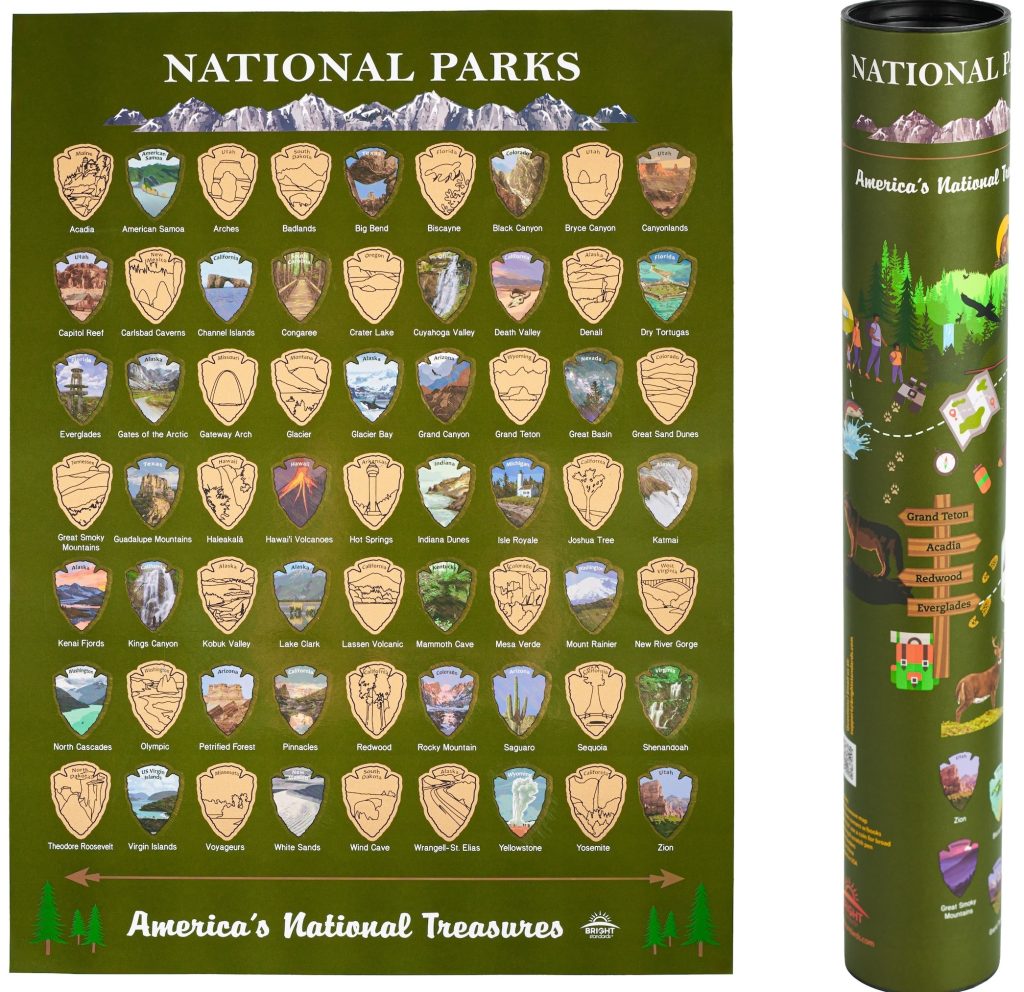
Start planning now. Book those limited Honolulu to Pago Pago flights 3-6 months in advance. Research Ofu flight options if you’re committed to the complete experience. And track your progress toward all 63 parks with a National Parks Scratch-Off Map, because completing American Samoa earns serious bragging rights in the park collecting community.
For more detailed information about what makes American Samoa National Park special, including its cultural significance and historical landmarks, see our guide on why American Samoa National Park is famous. For comprehensive information on all 63 national parks to help plan your spring adventures and beyond, visit our US National Parks List and Map guide.
Track Your National Parks Bucket List
Track your visits with a beautiful scratch-off map that lets you reveal each park as you check it off your bucket list. Perfect for display in your home and a visual reminder of your progress toward visiting all 63 national parks.
US National Parks List & Map
Want a FREE complete list and recap of all our US National Parks as well as downloadable maps and other great resources? Check out our US National Parks List and Map guide!

FAQs
How do I get to American Samoa National Park?
The only way to reach American Samoa is by flying Hawaiian Airlines from Honolulu to Pago Pago. Flights operate 2-3 times weekly (Monday/Thursday in winter; Monday/Wednesday/Thursday in summer) and take 5 hours 40 minutes. There are no direct flights from the mainland United States.
How many days do I need in American Samoa?
Minimum 3-4 full days on Tutuila to experience the park’s main highlights including hiking, snorkeling, and cultural sites. Add 3-4 more days if visiting Ofu Island. Most visitors spend 4-5 days total given the limited flight schedule.
Is it expensive to visit American Samoa National Park?
The park itself is free to enter, but getting there is expensive. Budget $526-1,290 for round-trip flights from Honolulu, $138-200/night for hotels, and additional costs for food and activities. Inter-island flights to Ofu add $200-300. A typical 4-5 day trip costs $1,500-2,500 per person not including mainland to Hawaii flights.
Can I visit Ofu Island?
Yes, but it requires advance planning. Flights from Tutuila to Ofu operate only 2-3 times weekly on small aircraft with strict weight limits and limited seats. Book through local travel agencies like TourAmericanSamoa.com and expect to stay 3-4 days minimum. Total add-on cost runs $500-800+ for flights and lodging.
Do US citizens need a passport for American Samoa?
Yes. Despite being a US territory, American Samoa requires all visitors (including US citizens) to have a valid passport for entry.
What’s the best time of year to visit American Samoa National Park?
May through October offers the driest weather and best conditions for hiking and snorkeling. However, American Samoa is tropical year-round, so expect warmth, humidity, and periodic rain regardless of season. Temperatures range from 75-90°F throughout the year.
How does American Samoa compare to Hawaii’s national parks?
American Samoa is far more remote, undeveloped, and culturally distinct. While Hawaii’s parks focus on volcanic landscapes, American Samoa emphasizes coral reefs, rainforest, and living Polynesian culture. It receives a tiny fraction of Hawaii’s visitors (2,135 annually vs. millions), offering solitude impossible to find in more popular parks.
Should I combine American Samoa with Hawaii’s parks in one trip?
Absolutely, especially if you’re working toward visiting all 63 national parks. Since you must fly through Honolulu anyway, visiting Haleakalā and Hawaiʻi Volcanoes adds only inter-island Hawaii flight costs ($80-150 each way) while maximizing your Pacific journey efficiency. You can visit all three parks in 10-12 days.
What should I not miss on Tutuila?
The Mount ʻAlava Trail offers the best panoramic views of the park. Snorkeling at Fagatele Bay National Marine Sanctuary provides world-class coral reef viewing. Cultural experiences like visiting Fatu ma Futi and interacting with local villages give insight into fa’a Samoa (the Samoan way of life).
Is American Samoa worth the effort for park collectors?
For those attempting to visit all 63 national parks, yes. American Samoa offers unique experiences (pristine coral reefs, intact Polynesian culture, extreme remoteness) found nowhere else in the park system. The 2,135 annual visitors represent some of the most dedicated park enthusiasts in the country. If you’re serious about completing all parks, the logistics are worth it.
