
Yellowstone. Grand Canyon. Zion. These parks deserve their reputation — but their popularity comes with a cost: packed parking lots, crowded trails, and timed entry systems that require planning months in advance. The good news is that the national park system has 63 parks, and most of them don’t have those problems. Some of the most spectacular landscapes in the country see a fraction of the visitors that the famous parks do — which means open trails, easy parking, and the kind of solitude that national parks are supposed to offer. These are the least crowded national parks worth seeking out.
Use our complete US National Parks Map to see all 63 parks and find the underrated ones closest to you.
1. North Cascades National Park (Washington)
North Cascades is one of the most stunning and least visited national parks in the lower 48. The park protects over 500,000 acres of jagged peaks, ancient glaciers, and turquoise alpine lakes in the North Cascades range of Washington State — scenery that rivals the Alps and the Canadian Rockies, with almost none of the crowds. Despite sitting between two major metro areas (Seattle and Vancouver), the park sees fewer than 30,000 visitors per year, compared to over 4 million at Olympic and 14 million at the Smokies. The lack of crowds is partly due to limited road access — most of the park is wilderness — but that’s also what makes it extraordinary.
Don’t miss: The North Cascades Highway (State Route 20) through the park is one of the great scenic drives in the Pacific Northwest — open roughly late April through November. Diablo Lake overlook, with its surreal turquoise water colored by glacial silt, is one of the most photogenic spots in any national park. Ross Lake stretches 24 miles into Canada and is accessible only by trail or boat.
2. Great Basin National Park (Nevada)
Great Basin sits in the remote Snake Range of eastern Nevada, a five-hour drive from Las Vegas and almost entirely off the radar of most travelers. The park packs an extraordinary amount of variety into a relatively small area: Lehman Caves (one of the most decorated limestone caverns in the country), ancient bristlecone pine trees over 5,000 years old, Wheeler Peak at 13,063 feet, and some of the darkest skies in the continental United States. It receives fewer than 150,000 visitors per year — about what Rocky Mountain gets in a busy week.
Don’t miss: Lehman Caves tours (book in advance — one of the park’s few things that requires reservations), the Bristlecone Pine Trail for trees that were ancient when Rome was founded, and stargazing from the park’s designated dark sky viewing areas. The Wheeler Peak Scenic Drive climbs to 10,000 feet with mountain views most Nevada visitors never see.

3. Black Canyon of the Gunnison National Park (Colorado)
The Black Canyon of the Gunnison is one of the most dramatic geological features in North America — a canyon so deep and narrow that some sections receive only 33 minutes of sunlight per day. The Gunnison River carved through some of the hardest rock on the continent over two million years, creating walls that drop over 2,700 feet from rim to river. Despite being genuinely spectacular, the park sits in western Colorado away from the major tourist corridors and sees only about 350,000 visitors per year — roughly what Zion gets in a month during peak season.
Don’t miss: The South Rim Drive connects a series of overlooks along the canyon’s edge — Painted Wall, at 2,250 feet, is the tallest cliff face in Colorado. Dragon Point and Chasm View are among the most dramatic overlooks. The inner canyon is accessible by steep, unmaintained routes for experienced hikers and offers total solitude.
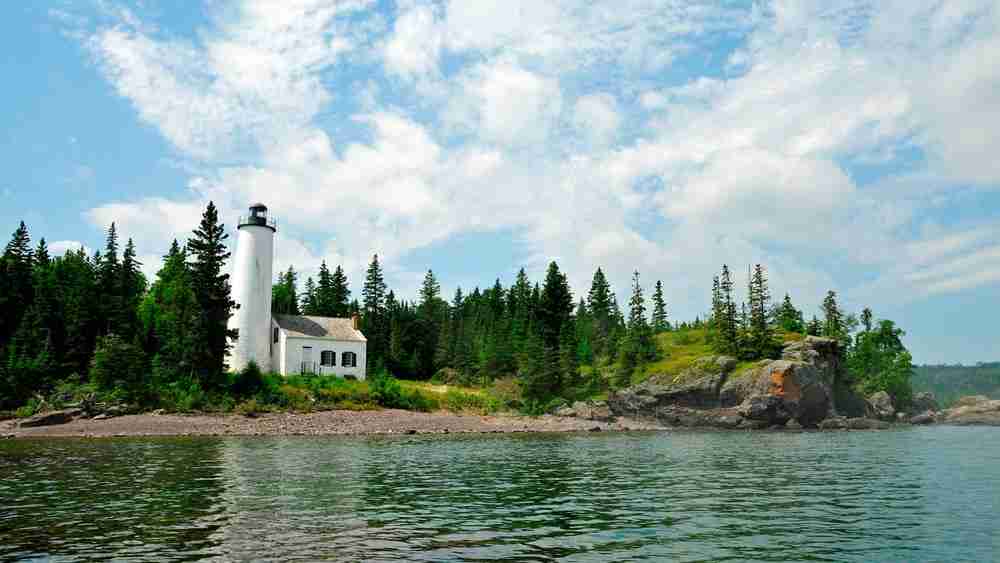
4. Isle Royale National Park (Michigan)
Isle Royale is the least visited national park in the lower 48 — and intentionally so. The park is an island in Lake Superior, accessible only by ferry or floatplane from Michigan or Minnesota, and has no roads. Everything here is wilderness: 165 miles of hiking trails, 36 interior lakes, a wolf and moose population that has been studied continuously since 1958 (one of the longest predator-prey studies in the world), and a level of solitude that’s essentially impossible to find in any other national park. The park closes every winter.
Don’t miss: The Greenstone Ridge Trail runs the length of the island — a multi-day backpacking route through completely roadless wilderness. Rock Harbor Lodge is the only in-park accommodation if you want to visit without camping. Moose sightings are extremely common; wolf sightings are rare but possible.
5. Lassen Volcanic National Park (California)
Lassen Volcanic sits in the northern California Cascades and offers many of Yellowstone’s most distinctive features — boiling mud pots, fumaroles, hot springs, hydrothermal lakes — with a fraction of the crowds. The park centers on Lassen Peak, one of the largest plug dome volcanoes in the world and still active (the last eruption was 1914-1917). The Lassen Volcanic National Park Highway crosses the park from north to south and passes through all four types of volcanic terrain found on earth — a geology lesson you can drive through.
Don’t miss: Bumpass Hell is the park’s largest hydrothermal area — a 3-mile round trip hike to boiling springs and mud pots on a boardwalk trail. Lassen Peak trail (5 miles round trip, 2,000 feet of elevation gain) leads to panoramic views of the Cascades. The park receives heavy snowfall and the highway typically doesn’t fully open until June.
6. Pinnacles National Park (California)
Pinnacles sits just two hours from San Francisco and three from Los Angeles, yet most Californians have never visited. That’s what makes it a gem: volcanic rock spires, talon caves, and one of the last wild habitats for California condors — all with manageable crowds even on summer weekends.
The park has two sides — east and west — connected by trails but not by road, so pick your entrance and stick with it. The east side has most of the caves and better parking. The west side offers a quieter approach and access to the High Peaks Trail.

Best for families:
The Balconies Cave trail on the west side (or Bear Gulch Cave on the east) is an adventure kids won’t forget — you scramble through narrow rock passages with a headlamp. Condor spotting is a genuine wildlife highlight: rangers can often tell you where to look.
Crowds: Low to moderate. Spring wildflowers bring some visitors, but summers are extremely hot and quiet. Best visited March–May or October–November.
Entrance fee: $35 per vehicle (annual pass works)
Junior Ranger program: Yes
7. Saguaro National Park (Arizona)
Saguaro is split into two districts on either side of Tucson — making it one of the most convenient national parks in the country if you’re already in southern Arizona. Despite that, it rarely feels crowded, especially compared to nearby parks like Sedona or the Grand Canyon.
The park protects the iconic saguaro cactus, the giant columnar cactus that defines the Sonoran Desert landscape. These cacti can live 150+ years and only grow arms after 75 years or so — walking among them feels like stepping into another world.
Best for families:
The Cactus Forest Loop Drive in the east district is a paved 8-mile loop — perfect for families who want to experience the park without a strenuous hike. The Valley View Overlook Trail (1.5 miles, easy) rewards kids with sweeping desert views and frequent wildlife sightings including javelinas, roadrunners, and Gila woodpeckers.
Crowds: Low. Tucson locals visit regularly, but tourist traffic stays light. Avoid midday in summer — temps regularly exceed 105°F.
Entrance fee: $25 per vehicle
Junior Ranger program: Yes
8. Great Sand Dunes National Park (Colorado)
The tallest sand dunes in North America sit at the base of the Sangre de Cristo Mountains in southern Colorado — and most visitors fly right past them on the way to Rocky Mountain or Mesa Verde. Their loss, your gain.
Great Sand Dunes gets around 500,000 visitors per year — significant, but still far less than the 4+ million who crowd into Rocky Mountain. On a Tuesday in July you can stand on top of a 700-foot dune and feel completely alone.
Best for families:
Sandboarding and sand sledding on the dunes are the big draws — rentals are available just outside the park entrance. Medano Creek runs along the base of the dunes in late spring and early summer, creating a shallow, warm stream where kids can play for hours. There’s no formal hiking required: just show up and start climbing.
Crowds: Low to moderate. Busy on summer weekends but never oppressive. Weekday mornings are especially quiet.
Entrance fee: $25 per vehicle
Junior Ranger program: Yes
9. Guadalupe Mountains National Park (Texas)
If you want to feel like you have a national park entirely to yourself, Guadalupe Mountains delivers. With fewer than 200,000 visitors per year, it’s one of the least visited parks in the lower 48 — and it’s hiding some of the best fall foliage in Texas along with the highest peak in the state.
The park sits in far west Texas near the New Mexico border, protecting an ancient fossilized reef that once lay beneath a vast inland sea. The geology here is extraordinary, and the hiking ranges from easy canyon walks to challenging summit attempts.
Best for families:
The Pinery Trail (0.75 miles, easy) leads to the ruins of a Butterfield Overland Mail station from the 1850s — a tangible history lesson kids can actually walk through. El Capitan Trail offers dramatic views of the iconic limestone cliff face that towers over the desert floor. Pair this park with Carlsbad Caverns (just 35 miles away) for a two-park weekend that feels like two completely different worlds.
Crowds: Very low. You may have entire trailheads to yourself on weekdays.
Entrance fee: $15 per person (age 15 and under free)
Junior Ranger program: Yes
10. Congaree National Park (South Carolina)
Congaree protects the largest intact expanse of old-growth bottomland hardwood forest in the United States — and most people have never heard of it. Located just 20 miles from Columbia, South Carolina, it’s one of the most accessible national parks in the Southeast, yet it sees fewer than 200,000 visitors a year.
Walking through the floodplain forest feels prehistoric. Massive bald cypress and loblolly pine trees tower overhead, some over 150 feet tall. The park holds several state and national champion trees — the largest known specimens of their species in the country.

Best for families:
The elevated boardwalk trail (2.4 miles) makes the park accessible for all ages and keeps feet dry above the floodplain. Ranger-led canoe tours run on Cedar Creek and are a genuinely magical experience — drifting beneath ancient cypress trees while alligators bask nearby. The synchronous firefly event in late May/early June (ticketed) is one of the most spectacular wildlife events in the eastern US.
Crowds: Very low. Even the boardwalk trail rarely feels busy.
Entrance fee: Free
Junior Ranger program: Yes
How to Plan a Trip to a Less-Visited National Park
Choosing a less-visited park is half the battle — here’s how to make the most of it once you do.
Skip the weekends when you can
Even the least crowded parks see higher traffic on Saturday and Sunday. If you can visit Monday through Thursday, you’ll often have trailheads entirely to yourself — even in July.
Arrive early or late in the day
Parking lots at smaller parks fill up fast on busy days despite lower overall visitor numbers. Arriving before 9am or after 3pm solves most parking and crowd issues. Sunrise at a sand dune or sunset over a volcanic crater is worth the schedule adjustment.
Book camping early anyway
Less-visited parks still have limited campsite inventory. Reservations at Isle Royale and Great Sand Dunes fill weeks in advance in peak season. Check Recreation.gov at least 2-3 months ahead.
Get the America the Beautiful Annual Pass
At $80 for unlimited access to all federal lands for a year, the annual pass pays for itself in just 3-4 park visits. For families doing a multi-park road trip, it’s a no-brainer. You can pick one up at any park entrance or online at the USGS store.
Download offline maps before you go
Many less-visited parks are remote — cell service disappears fast. Download AllTrails maps and the NPS app content for your specific park before you leave home. Bring a paper map as backup.
The Bottom Line on Crowd-Free National Park Trips
The national parks everyone talks about — Yellowstone, Yosemite, the Grand Canyon — are famous for a reason. But the parks on this list offer equally stunning landscapes, genuine wildlife encounters, and memorable family experiences without the parking nightmares, the entry queues, and the feeling that you’re sharing a hiking trail with half of America.
Some of the best national park memories our family has made came from places we’d barely heard of. Scrambling through a talus cave in Pinnacles. Climbing sand dunes while the Rockies glowed orange behind us. Standing in a forest of ancient cypress trees while everything went quiet around us.
The crowds go where the Instagram photos are. You can go somewhere better.
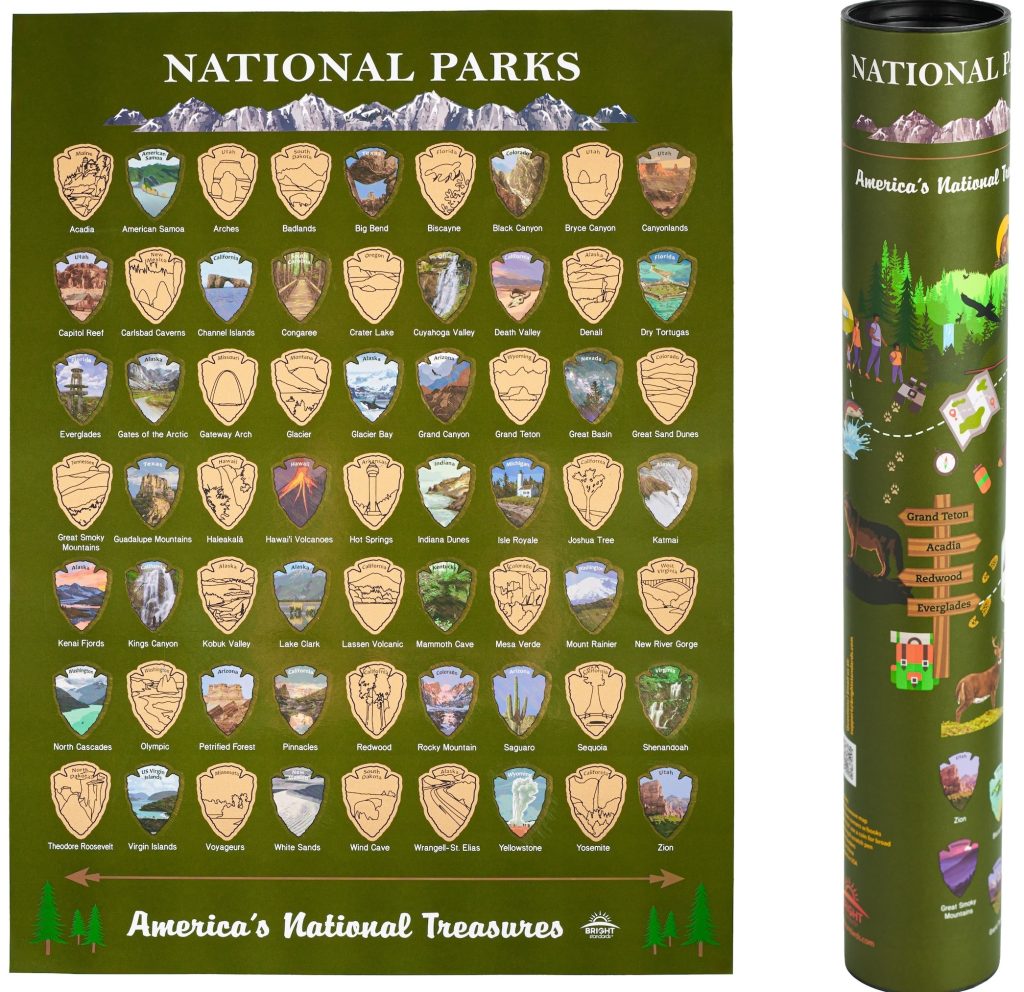
Want more national park planning resources? Check out our complete US National Parks List and Map to track your progress toward all 63 parks.
US National Parks List & Map
Want a FREE complete list and recap of all our US National Parks as well as downloadable maps and other great resources? Check out our US National Parks List and Map guide!

<
FAQs
What is the least crowded national park in the US?
North Dakota’s Theodore Roosevelt National Park and Michigan’s Isle Royale consistently rank among the least visited national parks in the contiguous US. Isle Royale in particular — accessible only by boat or seaplane — sees fewer than 30,000 visitors per year. In Alaska, parks like Gates of the Arctic and Kobuk Valley see just a few thousand visitors annually, making them the least visited of all.
Which national parks have no entrance fee?
Several parks on this list are free to enter, including Congaree National Park and Great Basin National Park. The NPS also hosts several fee-free days throughout the year when all parks waive their entrance fees. The America the Beautiful Annual Pass ($80) covers entrance fees at all national parks and federal lands for one year — a great deal for families planning multiple visits.
What time of year are national parks least crowded?
National parks are generally least crowded in late fall (October–November) and early spring (March–April). Winter can also be very quiet, though some facilities close and weather adds complexity. The least crowded time varies by park — desert parks like Saguaro are actually busiest in spring and emptiest (and hottest) in summer.
Are less-visited national parks worth it for families with young kids?
Absolutely — in many ways they’re better for young kids than the famous parks. Shorter lines, easier parking, and less crowded trails mean less stress for parents and more room for kids to explore freely. Parks like Great Sand Dunes, Congaree, and Pinnacles have accessible, engaging activities that don’t require long or difficult hikes.
Do less-visited parks still have Junior Ranger programs?
Yes — virtually every national park, no matter how small or remote, offers the Junior Ranger program. Kids complete an activity booklet (available at the visitor center), earn a badge, and take a ranger pledge. It’s one of the best free educational programs in the country and a great way to keep kids engaged throughout the visit.
