
The National Parks of the United States are designated areas preserved for their natural beauty, historic significance, and outdoor activities. These national treasures are managed by the National Park Service to ensure their integrity for all time. And there’s no doubt what the “Big 3” are:
Glacier, Yellowstone, and Yosemite are often celebrated as the “Big 3” due to their iconic scenery, diverse ecosystems, and pioneering roles in the conservation movement.
You might now be curious: What exactly makes these parks stand above the rest? Keep reading as I dive into the unique characteristics distinguishing each of these extraordinary protected public lands.
- Best Times to Visit the Big 3 Parks
- Yellowstone National Park
- Yosemite National Park
- Glacier National Park
- Comparison of the Big 3
- How to Choose Which Park to Visit First
- Why Yellowstone National Park Is My Favorite Park to Visit
- Final Thoughts
- National Parks List, Map, and Complete Guide (All 63 Parks + Downloadable List & Map)
- National Parks Scratch Off Map of United States
- FAQ’S
Best Times to Visit the Big 3 Parks
Timing your trip can make a big difference. For Yellowstone, late spring through early fall offers the best access to roads and wildlife.
Yosemite’s waterfalls peak in late spring, but early fall brings fewer crowds and crisp weather.
Glacier is best from July through mid-September when Going-to-the-Sun Road is fully open and the trails are clear of snow.
If you’re flexible, aim for shoulder seasons to enjoy great weather with fewer visitors.
Yellowstone National Park
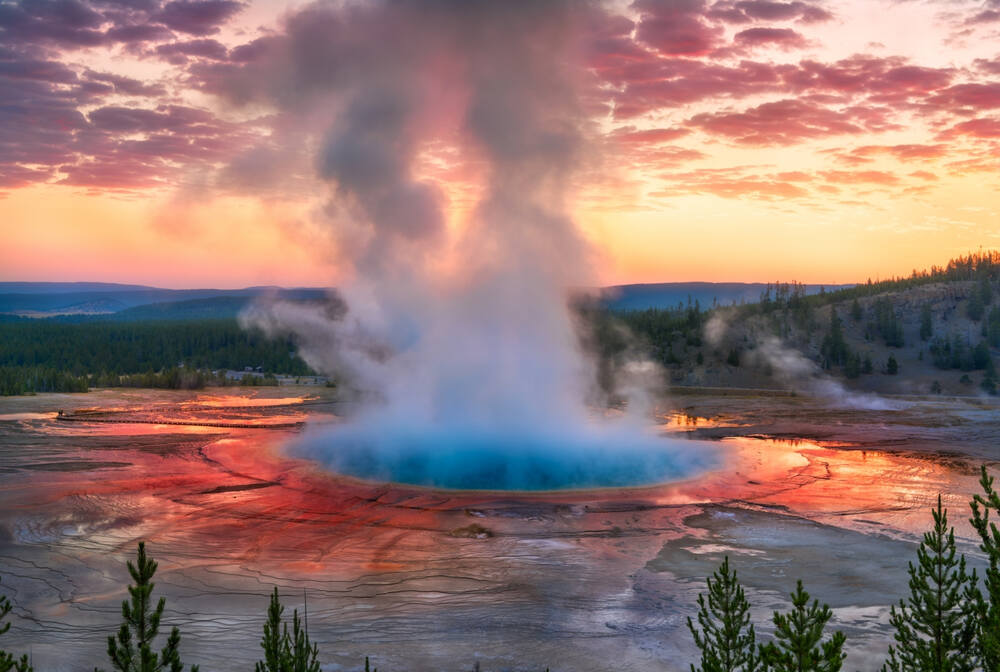
Location and History
To kick things off, Yellowstone National Park, established in 1872, is the first national park in the world. It sprawls across Wyoming, Montana, and Idaho. This historic designation set the precedent for national parks worldwide, aiming to preserve gorgeous landscapes and wildlife for public enjoyment and education.
Major Attractions
- Old Faithful Geyser: This geyser is one of the most predictable geographical features on the planet, erupting every 44 to 125 minutes. As you watch Old Faithful’s impressive eruptions, you can understand why it attracts millions of visitors each year.
- Grand Prismatic Spring: Known for being the largest hot spring in the United States and the third largest globally, it is remarkable for its vivid colors ranging from blue to orange. Microbial mats around the edges of the mineral-rich water cause the spring’s bright colors.
Wildlife
As you explore Yellowstone, you’ll encounter various wildlife, including some of the country’s most iconic species, such as the gray wolf and bison. These animals roam freely in the park’s vast landscapes, offering you a glimpse into North America’s wild past.
Geological Features
Amazingly, beneath Yellowstone’s forests and rivers lies one of the world’s largest active volcanic systems, the Yellowstone Caldera. This supervolcano is the source of the park’s famous geothermal features, including geysers and hot springs. Understanding this underlying volcanic activity provides insights into the dynamic and ever-changing earth beneath your feet.
Yosemite National Park
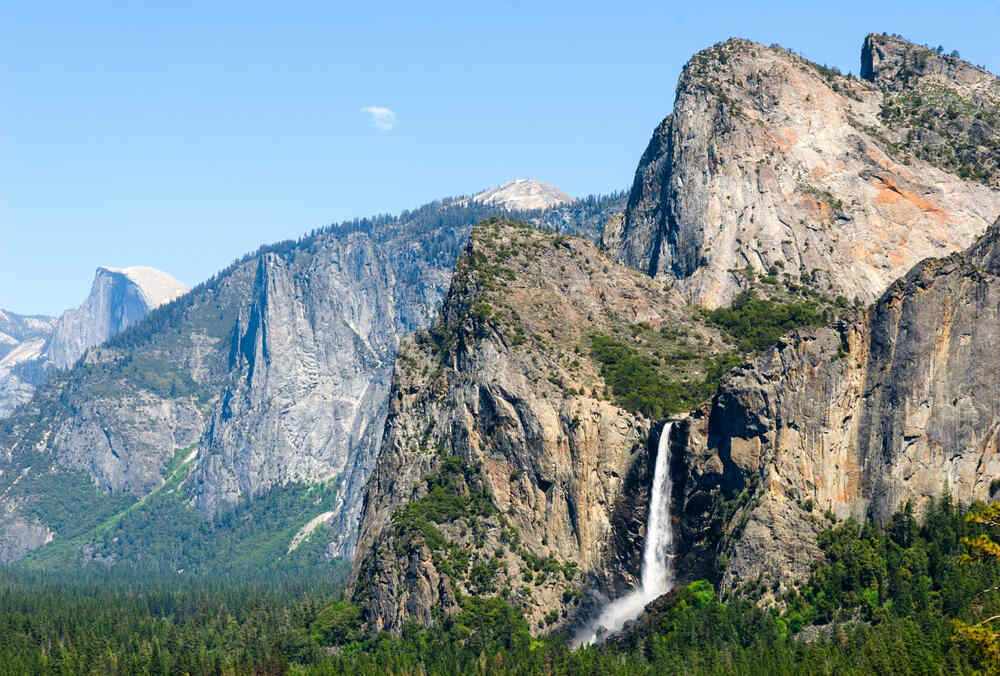
Location and History
Next up, we have Yosemite National Park. Located in California’s Sierra Nevada, Yosemite was established in 1890, making it one of the first wilderness parks in the United States. Its history is marked by advocates like John Muir, who fought to preserve this area for its outstanding scenery and public enjoyment.
Major Attractions
- Yosemite Valley: This central part of the park is framed by majestic landmarks such as El Capitan and Half Dome. These granite formations tower over the valley, granting you spectacular views and a sense of scale that’s hard to find elsewhere.
- Giant Sequoias: Visit the ancient sequoia groves, like the Mariposa Grove, to see some of the world’s oldest and largest living trees. These towering giants play a critical role in the ecosystem, supporting a wide range of biodiversity within the park.
Recreational Activities
Unsurprisingly, Yosemite provides a playground for numerous outdoor activities, whether hiking through the trails, rock climbing the rugged faces of El Capitan, or simply enjoying a picnic by Yosemite Falls.
Conservation Efforts
Rigorous conservation efforts maintain Yosemite’s beauty. These include controlling visitor impact through permit systems, restoring native habitats, and reducing traffic in sensitive areas. These measures ensure that the park’s natural wonders are preserved for future generations to experience and enjoy.
Glacier National Park
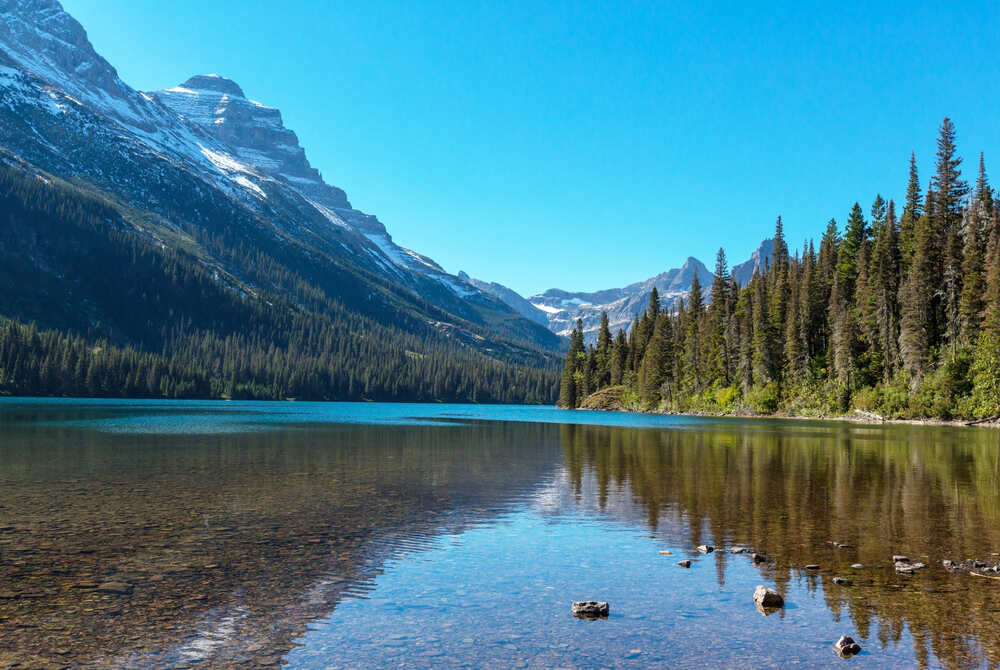
Location and History
Last, but certainly not least, is Glacier National Park. The park was established in 1910 and is tucked away in Montana’s beautiful Rocky Mountains. This park is historically significant for its stunning landscapes and role in international conservation efforts, mainly through its connection with Canada’s Waterton Lakes National Park, forming the Waterton-Glacier International Peace Park.
Major Attractions
- Going-to-the-Sun Road: This spectacular road cuts through the heart of the park, providing access to breathtaking views and a variety of wildlife. As you drive along this road, you will see some of the park’s most picturesque landscapes and have opportunities for numerous stop-offs and hikes.
- Glaciers and Alpine Scenery: While the glaciers are the primary feature of the park, the alpine scenery, with rugged mountains and sweeping valleys, offers stunning backdrops that continue to draw visitors worldwide.
Wildlife
Glacier National Park is home to a varied array of wildlife. You can spot mountain goats clambering up steep cliffs and grizzly bears roaming the lower meadows.
Climate Change Impact
Unfortunately, the effects of climate change are particularly visible here, where the receding glaciers serve as a stark indicator of environmental changes. This transformation not only alters the landscape but also affects the ecosystem, influencing water sources, plant growth, and animal behavior within the park. Witnessing these changes can deepen your understanding of global warming’s impact and the urgent need for environmental stewardship.
Comparison of the Big 3
Each of the “Big 3” national parks—Glacier, Yellowstone, and Yosemite—has one-of-a-kind features that make them stand out.
Yellowstone National Park
What sets Yellowstone apart is its extensive geothermal activity. As you explore, you’ll encounter over half of the world’s geysers and a plethora of hot springs right at your feet. This geothermal wonderland allows for a special look into the Earth’s dynamic processes, unmatched by any other national park.
Yosemite National Park
Yosemite’s claim to fame is its dramatic granite cliffs and ancient giant sequoias. When you visit, you will be struck by the sheer scale of formations like El Capitan and the majestic beauty of towering sequoias, some of the largest trees on Earth. These iconic features provide spectacular scenes that capture the heart and spirit of the American wilderness.
Glacier National Park
Glacier National Park is renowned for its stunning alpine scenery and the namesake glaciers that are rapidly changing due to climate change. The opportunity to drive along Going-to-the-Sun Road provides you with panoramic views of mountainous landscapes and valleys carved out by ancient ice. This park is a vivid reminder of the natural climatic forces at work, showcasing a landscape in transition.
Each park holds a mirror up to different aspects of natural beauty and ecological importance, offering you distinct experiences that highlight the diversity of America’s natural landscapes.
How to Choose Which Park to Visit First
If you’re wondering which of the Big 3 to visit first, think about what kind of experience you’re after. Do you want to see active geysers and abundant wildlife? Start with Yellowstone. Are you drawn to massive cliffs and world-class hiking? Yosemite should be your pick. Or if you’re craving alpine lakes and less-crowded trails, Glacier is the one for you.
Consider the time of year, your fitness level, and your travel priorities to help narrow it down.
Why Yellowstone National Park Is My Favorite Park to Visit
Although all three of the “Big 3” parks are incredible, my favorite U.S. national park to visit is Yellowstone NP. Just some of the reasons are that it offers an unbeatable mix of scenery, wildlife, and natural wonders you can’t find anywhere else. From steaming geysers to wide-open valleys filled with animals, every visit leaves you with lasting memories and something new to explore, such as:
- Unmatched Geothermal Features: You get to witness dramatic geysers like Old Faithful, colorful hot springs like Grand Prismatic, and bubbling mud pots—all in one place.
- Incredible Wildlife Viewing: Lamar and Hayden Valleys give you a front-row seat to bison, elk, bears, and even wolves roaming freely in their natural habitat.
- Endless Adventure Options: Whether you’re into hiking, fishing, boating, or just sightseeing, the park’s 2.2 million acres offer endless choices.
- Four-Season Beauty: Each season gives you a new reason to come back—spring brings baby animals, summer is full of activity, fall offers golden foliage, and winter is magical and quiet.
- Deep Sense of Wonder: From the sound of geysers erupting to the sight of a massive bison herd, Yellowstone always gives you moments that remind you why nature matters.
Final Thoughts
The significance and splendor of Glacier, Yellowstone, and Yosemite National Parks cannot be overstated. Each park preserves a unique slice of America’s natural heritage and displays its diverse beauty—from the geothermal marvels of Yellowstone to the towering granite cliffs of Yosemite and the melting glaciers of Glacier National Park.
As you plan your visits, remember that these parks are not just destinations but also crucial habitats that need protection. Your awareness and involvement in conservation efforts make a difference. By visiting these parks, you support the preservation initiatives that keep these wonders intact for years to come.
National Parks List, Map, and Complete Guide (All 63 Parks + Downloadable List & Map)
Want a FREE complete list and recap of all our US National Parks as well as downloadable maps and other great resources? Check out our US National Parks List and Map guide!

National Parks Scratch Off Map of United States
Best Travel Gifts to Track Your Travels and Adventures!

Looking for a great travel activity and a keepsake of places and national parks you’ve visited? CLICK HERE to learn more!
FAQ’S
What is America’s biggest national park?
Wrangell-St. Elias in Alaska is America’s biggest national park, covering over 13 million acres.
What is the most visited national park in the USA?
Great Smoky Mountains National Park is the most visited national park in the USA, attracting millions of visitors each year.
What is the least visited national park?
Gates of the Arctic National Park and Preserve in Alaska is the least visited national park due to its remote location and challenging access.
What is the only state without a national park?
Delaware is the only state without a national park, although it has other types of national historical parks and sites.
What is America’s smallest national park?
Gateway Arch National Park in Missouri is the smallest, covering about 91 acres.
What is the 2nd largest national park in the United States?
Gates of the Arctic National Park and Preserve in Alaska is the second largest national park in the United States.
What is the most iconic national park?
Yellowstone National Park is often considered the most iconic national park, known for its geysers and rich wildlife.
Which US state has the best national parks?
This is subjective, but many argue that Utah is the best with its diverse and dramatic landscapes in parks like Zion, Bryce Canyon, Arches, and Canyonlands.
Which state has the most national parks?
California has the most national parks, with nine diverse sites ranging from Yosemite to Joshua Tree.
