
Located in southwestern Utah, Zion National Park is renowned for its stunning red rock formations, diverse ecosystems, and countless opportunities for outdoor recreation. Before we get into the details, I want to first answer the question. The best months to visit Zion National Park are April, May, September, and October. During these months, the weather is mild, making it ideal for hiking, exploring, and enjoying the park’s natural beauty without the peak summer crowds.
But how do you decide which specific month is perfect for you? In this article, I’ll discuss the unique activities and benefits each season offers, from blooming wildflowers in spring to vibrant fall foliage. I’ll also explain the weather conditions you should consider when visiting. Now, let’s dive into what’s special about each season so you can plan the perfect trip!
- Weather Conditions
- Crowds and Tourism
- Park Activities and Accessibility
- Wildlife Watching in Zion
- Monthly Breakdown:
- Detailed Comparison of the Best Months
- Tips for Visiting Zion National Park
- Final Thoughts
- National Parks List, Map, and Complete Guide (All 63 Parks + Downloadable List & Map)
- National Parks Scratch Off Map of United States
- FAQ’S
Weather Conditions

Average Temperatures by Season
- Spring: Daytime temperatures range from 60-80°F, nights can be cool.
- Summer: Temperatures can soar above 100°F during the day.
- Fall: Daytime temperatures range from 70-90°F, with cooler nights.
- Winter: Daytime temperatures range from 30-50°F, with cold nights.
Rainfall and Snowfall Patterns
- Spring: Occasional rain showers.
- Summer: Potential for monsoon rains and thunderstorms.
- Fall: Generally dry with minimal rainfall.
- Winter: Occasional snow at higher elevations, rain in the canyon.
Crowds and Tourism
Peak Tourist Seasons
- Spring (March to May): Moderate crowds, increasing towards late spring.
- Summer (June to August): High tourist season with large crowds.
- Fall (September to November): Moderate crowds, decreasing towards late fall.
- Winter (December to February): Least crowded season.
Visitor Statistics by Month
- High visitation in summer months, particularly July and August.
- Lower visitation in winter months, particularly January and February.
- Moderate visitation in spring and fall, with peaks in May and October.
Park Activities and Accessibility
Availability of Hiking Trails
- Spring and Fall: Most trails are open and accessible.
- Summer: Some trails may be very hot, requiring early morning or late afternoon hikes.
- Winter: Some higher elevation trails may be closed due to snow or ice.
Seasonal Activities
- Spring: Ideal for hiking, photography, and wildflower viewing.
- Summer: Great for river hiking, rock climbing, and canyoneering.
- Fall: Perfect for hiking, sightseeing, and enjoying fall foliage.
- Winter: Suitable for lower elevation hikes, photography, and solitude.
Road and Facility Access
- Spring and Fall: All park roads and facilities are generally open.
- Summer: Roads and facilities are open but can be crowded.
- Winter: Some roads and facilities may be closed or have limited access due to snow or maintenance.
Wildlife Watching in Zion
Zion National Park is home to a wide range of wildlife, from bighorn sheep and mule deer to golden eagles and California condors. Spring and fall are the best seasons for wildlife viewing because temperatures are mild, and animals are more active throughout the day. If you want the best chance to spot wildlife, head out early in the morning or later in the evening, and remember to observe animals from a safe distance.
Monthly Breakdown:
January to March
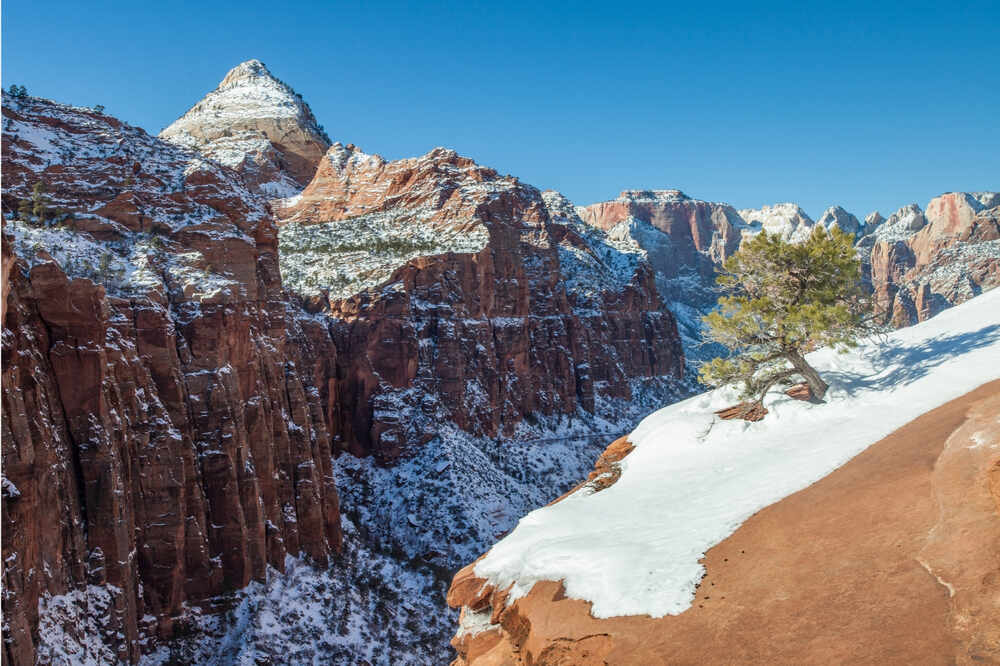
Weather Overview
- Cold temperatures with daytime highs ranging from 30-50°F.
- Possible snowfall at higher elevations, and occasional rain in the canyon.
Pros and Cons of Visiting in Winter
Pros: Least crowded season, serene and peaceful environment. Cons: Some trails and facilities may be closed due to snow and ice.
Key Activities and Attractions
- Lower elevation hikes like the Riverside Walk.
- Photography with snowy landscapes.
- Potential for solitude and quiet exploration.
April to June

Weather Overview
- Mild temperatures with daytime highs ranging from 60-80°F.
- Occasional rain showers, especially in April.
Pros and Cons of Visiting in Spring
Pros: Mild weather ideal for hiking, wildflowers in bloom. Cons: Increasing crowds towards late spring.
Key Activities and Attractions
- Hiking popular trails like Angels Landing and The Narrows.
- Enjoying wildflower blooms and lush scenery.
- Rock climbing and canyoneering opportunities.
July to September
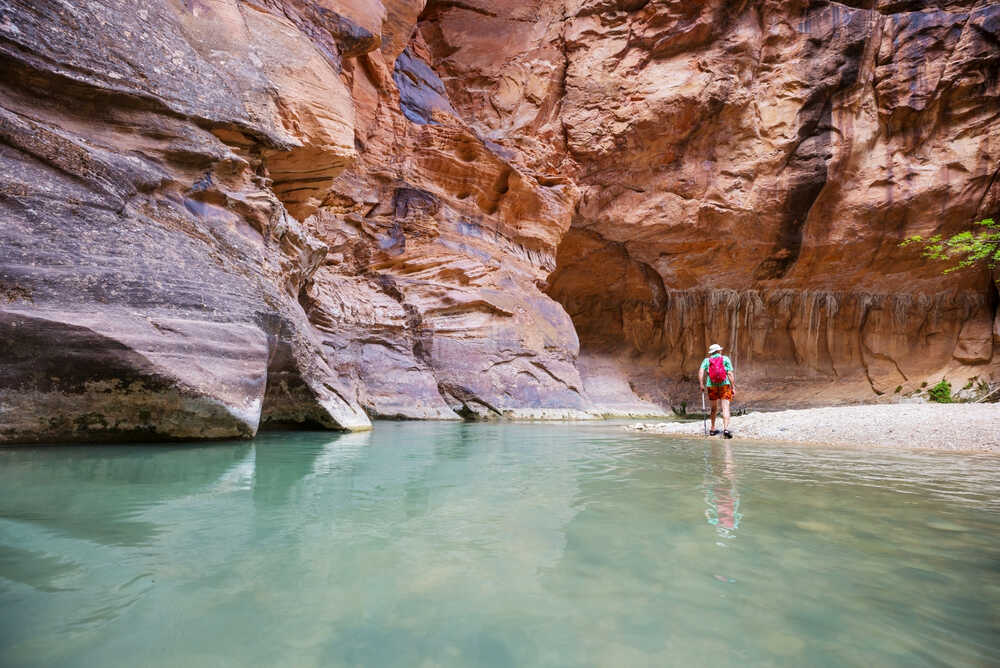
Weather Overview
- Hot temperatures with daytime highs often exceed 100°F.
- Potential for monsoon rains and thunderstorms.
Pros and Cons of Visiting in Summer
Pros: Long days for exploring; all facilities and trails are open. Cons: High temperatures and large crowds, especially in July and August.
Key Activities and Attractions
- Early morning or late afternoon hikes to avoid the heat.
- River hiking in The Narrows to cool off.
- Rock climbing and water-based activities.
October to December

Weather Overview
- Mild to cool temperatures with daytime highs ranging from 50-70°F.
- Generally dry with minimal rainfall.
Pros and Cons of Visiting in Fall
Pros: Mild weather, fewer crowds, extraordinary fall foliage. Cons: Shorter daylight hours, cooler nights.
Key Activities and Attractions
- Hiking trails like Observation Point and Emerald Pools.
- Enjoying fall colors and scenic drives.
- Photography and sightseeing with vibrant autumn landscapes.
Detailed Comparison of the Best Months
April: Spring Awakening
- Daytime highs range from 60-70°F.
- You’ll see a variety of wildflowers adding color to the landscape.
- Perfect weather for tackling popular trails and capturing phenomenal photos.
May: Pre-Summer Bliss
- Daytime highs are around 70-80°F, making it comfortable for outdoor activities.
- You’ll experience fewer visitors compared to peak summer months.
- Ideal conditions for hiking, rock climbing, and exploring the park.
September: Fall Serenity
- Daytime highs range from 70-80°F, offering a break from the summer heat.
- Visitor numbers decrease, providing a more peaceful experience.
- You’ll enjoy the beginning of fall colors, adding a beautiful backdrop to your visit.
October: Autumn Colors
- Daytime highs range from 60-70°F, ideal for outdoor activities.
- Full display of fall foliage, enhancing the park’s natural beauty.
- Excellent conditions for hiking, sightseeing, and photography.
Tips for Visiting Zion National Park
Accommodation and Reservations
- You can stay at lodges within the park, nearby hotels in Springdale, or campgrounds.
- Make your reservations early, especially during peak seasons, to ensure you have a place to stay.
Packing Essentials
- In spring and fall, pack layers to adjust to changing temperatures.
- In summer, bring sun protection, a hat, and plenty of water.
- In winter, pack warm clothing and waterproof gear.
- Wear sturdy hiking boots for the trails.
- Bring a daypack to carry essentials like water, snacks, and a map.
Safety and Regulations
- Be aware of the wildlife in the park and keep a safe distance.
- Stay on marked trails and be cautious of your footing.
- Check trail conditions and weather forecasts before heading out.
- Follow all park rules, including Leave No Trace principles.
- Be mindful of the park’s regulations to protect the environment and ensure a safe visit.
Final Thoughts
Ultimately, the best months to visit Zion National Park are April, May, September, and October due to the mild weather and manageable crowds. Each of these months contains unique advantages: April and May provide cooler temperatures and blooming wildflowers, making them ideal for hiking and photography. September and October bring fewer crowds and outstanding fall foliage, perfect for a calmer park atmosphere.
When planning your visit, consider your personal preferences. If you enjoy the vibrant colors of spring and comfortable hiking conditions, April and May are the best choices. September and October are ideal if you prefer the serene beauty of autumn and less crowded trails. Regardless of when you visit, Zion National Park showcases breathtaking landscapes, countless outdoor activities, and an unforgettable time spent in one of the Southwest’s most iconic national parks.
I WOULD LOVE TO HEAR FROM YOU! Scroll to the bottom to leave a comment and let me know what you think about this unique national park or any questions you may have.
National Parks List, Map, and Complete Guide (All 63 Parks + Downloadable List & Map)
Want a FREE complete list and recap of all our US National Parks as well as downloadable maps and other great resources? Check out our US National Parks List and Map guide!

National Parks Scratch Off Map of United States
Best Travel Gifts to Track Your Travels and Adventures! Check out the top-selling National Parks scratch off map of the United States!

FAQ’S
What is special about Zion National Park?
Zion National Park is renowned for its stunning red rock formations, diverse ecosystems, and numerous outdoor activities.
What city is close to Zion National Park?
Springdale, Utah, is the closest city to Zion National Park, located just outside the park’s main entrance.
Can you still drive into Zion National Park?
Yes, you can drive into Zion National Park. Still, specific areas, like the Zion Canyon Scenic Drive, are only accessible by shuttle bus during peak season.
How many days in Zion is enough?
Three to four days are generally enough to explore the main attractions and enjoy various activities in Zion National Park.
What is the hottest month in Zion?
July is the hottest month in Zion National Park, with temperatures often exceeding 100°F.
Is Zion too hot in July?
Zion can be very hot in July, making outdoor activities challenging during the midday heat.
Is it better to stay in Zion or outside?
Staying inside the park provides convenient access to trails and activities, but staying in nearby Springdale has more lodging and dining options.
How crowded is Zion in July?
Zion is very crowded in July, which is part of the peak tourist season.
Is Zion crowded in the summer?
Yes, Zion National Park is crowded in the summer, especially from June to August.
