
The spectacular Mount Rainier National Park is centered around the towering 14,410-foot Mount Rainier and is located in Washington State. Renowned for its stunning glaciers, wildflower meadows, and ancient forests, the park offers a remarkable diversity of ecosystems.
The area has no shortage of outdoor activities, including scenic drives, over 260 miles of hiking trails, mountain climbing, and watching wildlife. The park is also home to a vast collection of panoramic vistas, cascading waterfalls, and clear mountain lakes.
But, to first answer the question, Mount Rainier’s climate is primarily subalpine and alpine, with significant variations in weather conditions due to its high elevation and geographic positioning.
Now that you know what type of climate Mount Rainier has, you might wonder how this affects the activities you can enjoy there throughout the year. Keep reading as I explain how the seasonal changes influence both the landscape and the available activities within the park.
- General Climate Overview
- Seasonal Climate Variations
- Best Times to Visit Mount Rainier
- Microclimates within Mount Rainier
- Influence of Global Climate Change
- Visitor Preparedness and Safety
- Final Thoughts
- National Parks List, Map, and Complete Guide (All 63 Parks + Downloadable List & Map)
- National Parks Scratch Off Map of United States
- FAQ’S
General Climate Overview

First off, cool temperatures and heavy precipitation characterize Mount Rainier’s climate. Most of the precipitation falls as snow, contributing to the mountain’s extensive glaciers and snowfields. The lower slopes experience milder temperatures and less snow, transitioning into dense forests.
The elevation of Mount Rainier plays a critical role in shaping its climate. As you ascend from the base to the summit, the temperature drops significantly, and precipitation patterns change. This elevation gradient means that while you might encounter rain and lush greenery at lower elevations, the higher reaches are dominated by ice and snow.
Seasonal Climate Variations
Winter
Mount Rainier transforms into a frigid landscape during winter, with temperatures often dropping below freezing, even at lower elevations. The mountain receives heavy snowfall, averaging up to 640 inches at Paradise, one of the snowiest places on Earth.
This intense winter climate significantly impacts the ecosystem, preserving the glacier coverage and influencing animal behaviors. For you as a visitor, winter means it’s a prime time for snowshoeing and cross-country skiing. However, many access roads are closed due to snow.
Spring
As spring arrives, the heavy snows gradually begin to melt, revealing vibrant meadows and restarting the growth cycle of diverse plants. The season is marked by fluctuating temperatures and a mix of sunny and rainy days.
This transition dramatically affects the area by rejuvenating water sources and triggering the bloom of wildflowers, making it an ideal time for photography and nature walks, although some higher trails may still be snow-covered.
Summer
Summer at Mount Rainier is characterized by warmer weather, with temperatures ranging from 50 to 70°F at lower elevations. The weather is relatively stable, though afternoon thunderstorms are common.
The pleasant summer climate is perfect for hiking, climbing, and exploring the vast network of trails. It’s also the busiest season but provides you with the best conditions for outdoor activities and full access to all park areas.
Autumn
In autumn, the climate begins to cool, and the park experiences a gradual decrease in temperature, preparing for the winter ahead. This season brings a palette change in the landscape, with vibrant fall colors peaking usually in late September to early October.
The cooler temperatures and changing foliage create a stunning visual display for hikers and photographers. During these months, the animals in the area become more active, preparing for the winter and offering one-of-a-kind opportunities to spot wildlife before the snow returns.
Best Times to Visit Mount Rainier
If you want the most comfortable weather and the widest range of open trails, July through early September is the best time to visit Mount Rainier. During these months, roads are typically clear of snow, wildflowers are in full bloom, and the weather is generally dry and mild.
However, the right time for your visit also depends on what you’re looking to experience. For hiking and panoramic views, summer is ideal. If you prefer fewer crowds and vibrant fall colors, plan for late September. Winter offers solitude and excellent conditions for snowshoeing, but comes with limited access and road closures. Spring is transitional and less predictable but offers early-season waterfalls and emerging meadows. Choose your season based on the activities and scenery that matter most to you.
Microclimates within Mount Rainier
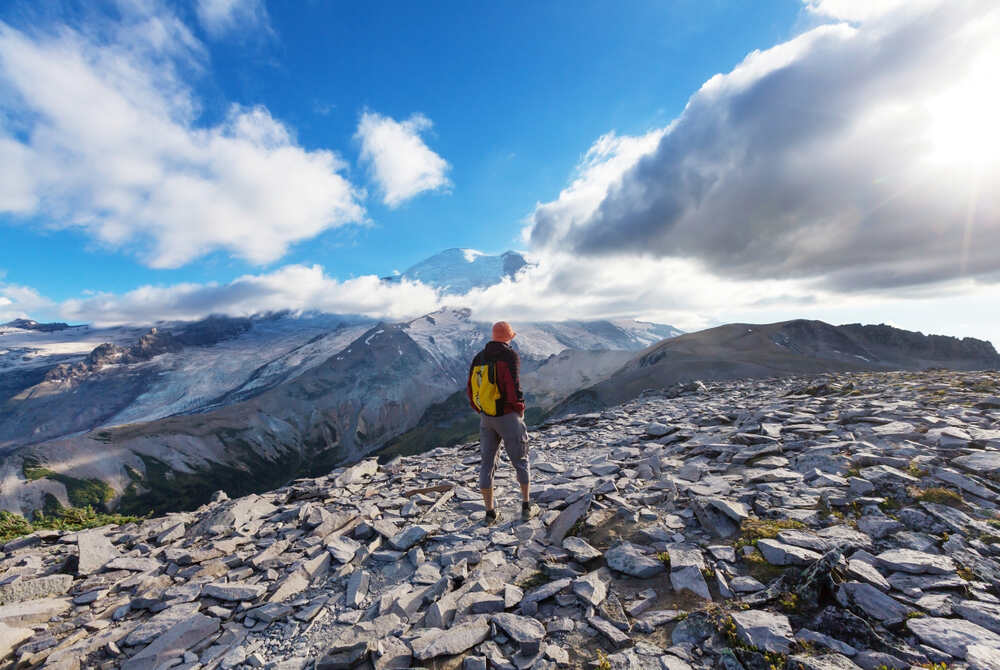
Interestingly, Mount Rainier hosts a range of microclimates that vary dramatically with elevation and location. As you explore different parts of the mountain, you’ll encounter distinct weather patterns that uniquely influence the local environments.
For instance, the Sunrise area, sitting at about 6,400 feet, is one of the highest points accessible by vehicle. Here, the climate is cooler and windier than at lower elevations, resulting in a shorter growing season and a landscape dominated by subalpine fir and wildflowers that bloom late into the summer.
Contrastingly, the Longmire area, which is lower, has a wetter climate that supports lush, old-growth forests with a dense canopy of Douglas fir and western red cedar. This variety creates an incredible chance for you to see how elevation changes affect plants and animals as you move through different climatic zones on your visit.
Influence of Global Climate Change
Unfortunately, global climate change is altering the weather patterns at Mount Rainier, affecting both temperature and precipitation levels. You may notice that snowpacks are melting earlier in the year, and glacial retreat is becoming more apparent. These changes are modifying water flows and availability throughout the park.
Predictions for future climate impacts suggest increasing temperatures and altered precipitation patterns, which could lead to more frequent rockfalls and landslides. For the ecosystem, this means shifts in habitat zones and changes in the types and distributions of plants and animals.
As you plan your visits in the coming years, you might encounter different landscapes and wildlife than what are currently seen, underscoring the importance of adaptive management and conservation efforts to preserve this natural treasure.
Visitor Preparedness and Safety
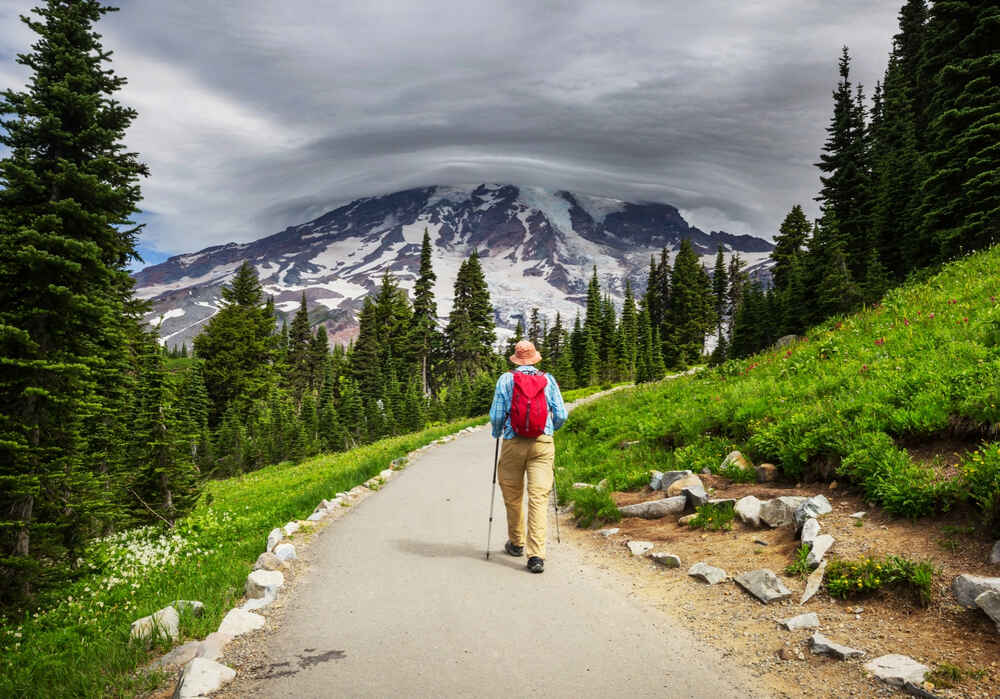
Furthermore, when planning a visit to Mount Rainier, it is crucial to be prepared for the mountain’s diverse and unpredictable weather. Before your trip, check the latest weather forecasts and park conditions on the Mount Rainier National Park website or at local weather stations.
Depending on the season, your packing list should include layers of clothing that can handle a wide range of temperatures and weather conditions—think waterproof jackets, warm insulation, and breathable fabrics. Packing essentials like sunscreen, plenty of water, and high-energy snacks is also wise, regardless of the time of year.
For hiking or climbing, ensure that you have the appropriate gear, such as sturdy boots, gloves, and possibly ice axes or crampons if you’re venturing into snowy or icy areas. Always inform someone of your plans and expected return time, especially if you are exploring remote parts of the park.
Final Thoughts
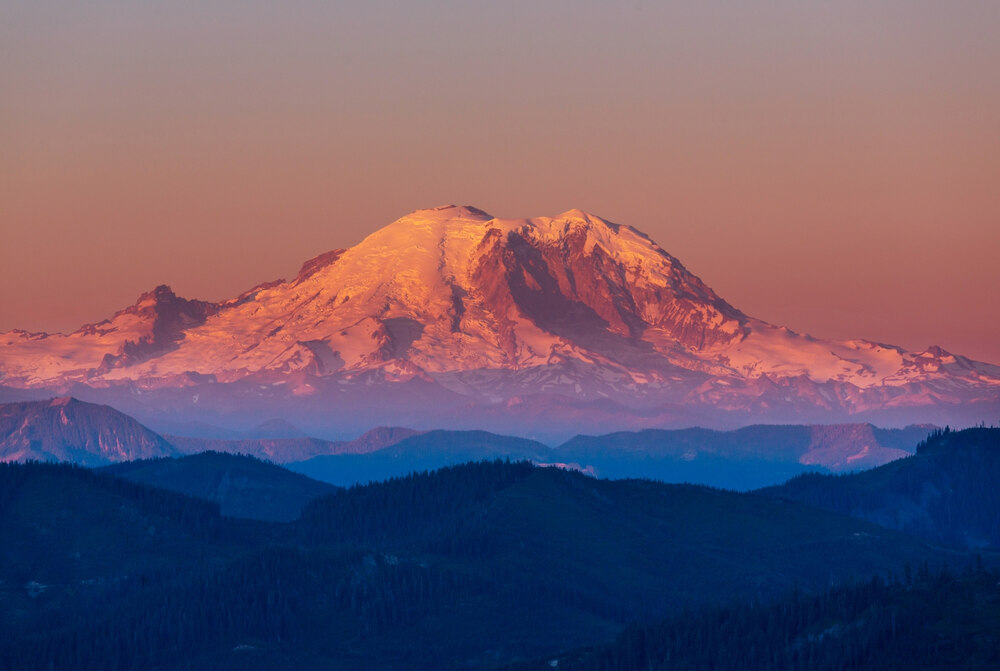
To wrap things up, you’ve seen how Mount Rainier’s climate is characterized by cool temperatures and heavy snowfall, with distinct seasonal variations and microclimates influenced by elevation and location. Sadly, the impacts of global climate change are evident in shifting weather patterns and melting glaciers, which affect the park’s ecosystems and your time spent while visiting.
Being aware of and prepared for the weather conditions when visiting Mount Rainier National Park is crucial due to the park’s rapidly changing climate and the potential for extreme weather. The mountain’s high altitude and geographic location contribute to sudden shifts in weather, including heavy snowfall, dense fog, and sudden temperature drops.
Ultimately, understanding these climate conditions is crucial for appreciating and preserving Mount Rainier. As you plan future visits or learn more about this majestic mountain, consider the role that each of us plays in protecting such environments. Awareness of these aspects can improve you experience as a visitor and contribute to ongoing conservation efforts of this national park gem in the heart of the PNW.
National Parks List, Map, and Complete Guide (All 63 Parks + Downloadable List & Map)
Want a FREE complete list and recap of all our US National Parks as well as downloadable maps and other great resources? Check out our US National Parks List and Map guide!

National Parks Scratch Off Map of United States
Best Travel Gifts to Track Your Travels and Adventures!

Looking for a great travel activity and a keepsake of places and national parks you’ve visited? CLICK HERE to learn more!
FAQ’S
What is the best month to visit Mount Rainier?
July and August are generally the best months to visit Mount Rainier, as the weather is most favorable and the wildflowers are in full bloom.
Does Mt. Rainier make its own weather?
Yes, Mount Rainier can create its own weather due to its massive size and elevation, influencing cloud formation and precipitation patterns around it.
How cold does it get on top of Mount Rainier?
Temperatures on the summit of Mount Rainier can drop below -20°F in the winter, and even in summer, temperatures can hover around freezing.
Is Mount Rainier the snowiest place on Earth?
Mount Rainier is one of the snowiest places on Earth, with the Paradise area receiving an average of about 640 inches of snow annually.
What is the biggest risk of Mt Rainier?
The biggest risk of Mount Rainier is its potential to erupt, as it is an active volcano; lahars (volcanic mudflows) pose a significant risk to nearby populated areas.
Does it snow in Mount Rainier National Park?
Yes, it snows heavily in Mount Rainier National Park, especially from November through February. Substantial snowpacks often persist into late spring or early summer.
What is Mount Rainier like in the winter?
Mount Rainier is a snowy, icy landscape in winter, offering beautiful scenery but challenging conditions, with many roads and trails closed due to snow.
Is Mt Rainier worth seeing?
Absolutely! Mount Rainier is worth seeing for its stunning natural beauty, diverse ecosystems, and the many outdoor activities it offers throughout the year.
How long does it take to walk up Mt Rainier?
Climbing to the summit of Mount Rainier typically takes two to three days, depending on weather conditions and the route taken.
How long does it take to drive through Mt Rainier National Park?
Driving through Mount Rainier National Park, such as taking the scenic route from the Nisqually Entrance to the Sunrise Visitor Center, can take about 2 to 3 hours, not including stops for sightseeing.
