
Great Smoky Mountains National Park (GSMNP) is home to a sprawling range of wildlife, including over 65 species of mammals, 200 species of birds, 80 types of reptiles and amphibians, and countless fish and insects. This rich biodiversity makes the park a haven for nature lovers and researchers alike. You can find iconic animals like black bears and elk and lesser-known species such as the Jordan’s salamander.
You might be wondering which animals are the most common, where to find them, or how they thrive in such a lively environment. Read on as explore the fascinating wildlife that call the Great Smoky Mountains home.
Mammals

First off, GSMNP is home to dozens of mammal species. Black bears are estimated to have a population of around 1,500 in the park, thriving in forested habitats where they forage for berries, nuts, insects, and small mammals. They are most active in the early morning and late evening. White-tailed deer are also abundant, with a population that fluctuates seasonally. They are commonly found in open fields and forests, and their behavior changes with the seasons; in the spring and summer, they are often seen grazing in meadows, while in the fall, they become more elusive during the mating season.
Interestingly, elk were reintroduced to the park in the early 2000s, and their population has been steadily growing. These large mammals prefer the park’s grassy meadows and forest edges, where they graze on grasses, leaves, and bark. Observing elk during their fall mating season, known as the rut, can be particularly exciting.
Among the smaller mammals, you can find species like squirrels and chipmunks. Eastern gray squirrels are commonly seen in deciduous forests, gathering nuts and seeds, while chipmunks are often spotted in wooded and rocky areas, scurrying around in search of food.
Wildlife Viewing Tips and Safety
Seeing wildlife in the Great Smoky Mountains can be a highlight of any visit, but it’s important to follow basic safety practices for your protection and theirs. Keep a safe distance—at least 150 feet from bears and elk—and never approach or feed any wild animal. Use binoculars or zoom lenses for close-up views.
Early morning and dusk are often the best times to spot animals, especially in quieter areas like Cades Cove or Cataloochee Valley. Move slowly and quietly, and scan the edges of forests and open fields. Be aware of your surroundings, especially during the fall rutting season when elk can be more aggressive.
If you’re hiking, stay on designated trails and make noise periodically to avoid surprising animals. I recommend carrying bear spray, especially in backcountry areas. Following these tips helps protect both you and the park’s wildlife while giving you the best chance at memorable encounters.
Birds

Unsurprisingly, the Great Smoky Mountains are a paradise for bird watchers, with numerous hotspots offering excellent opportunities to observe various species. Key bird-watching locations include Cades Cove, Clingmans Dome, and the Roaring Fork Motor Nature Trail, where an assortment of habitats attract many birds. You will find year-round residents among the common bird species, such as wild turkeys and several types of woodpeckers, including the red-bellied and pileated woodpeckers. These birds are often seen foraging in forests and open fields.
During migration seasons, the park becomes a temporary home to many migratory species. Warblers, thrushes, and vireos are just a few examples of the birds you can spot during spring and fall migrations. GSMNP is also home to some rare and endangered bird species. The red-cockaded woodpecker, for example, is a species of concern and is particularly rare. Conservation efforts are in place to protect their habitats and ensure their survival.
Reptiles and Amphibians
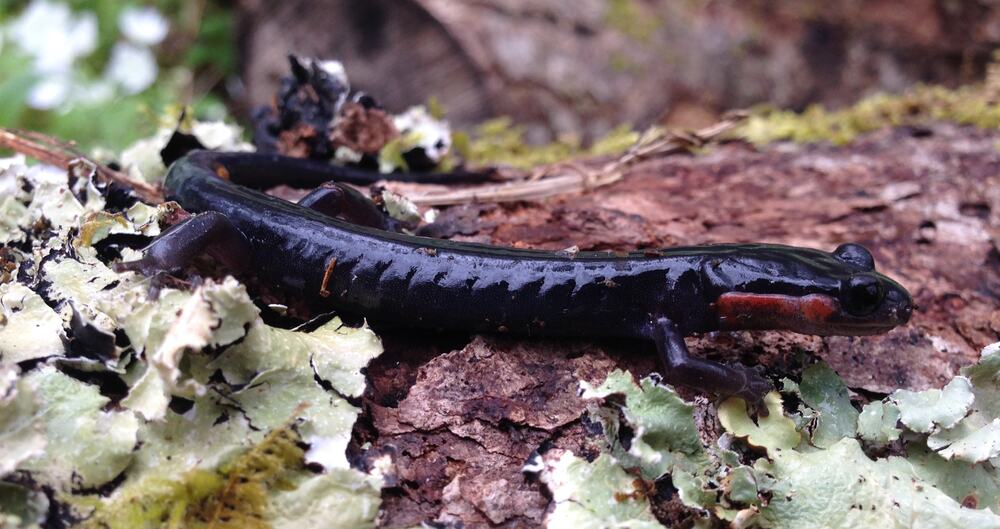
Furthermore, GSMNP is home to various reptiles and amphibians, reflecting the park’s immense biodiversity. Among the common reptiles, snakes such as the timber rattlesnake and black rat snake are frequently found. These snakes inhabit forested areas and are crucial in controlling rodent populations. Additionally, you may come across turtles in ponds and streams, as well as various lizards basking on rocks and logs.
The Great Smoky Mountains are renowned for their large numbers of amphibians, earning the nickname “Salamander Capital of the World.” You can find an impressive array of salamander species in the park, including the red-cheeked salamander and the spotted salamander. These creatures thrive in the moist, cool environments of the park’s streams and forest floors. Frogs and toads are also common, with species like the American bullfrog and the spring peeper frequently seen and heard in wetlands and near bodies of water.
Fish
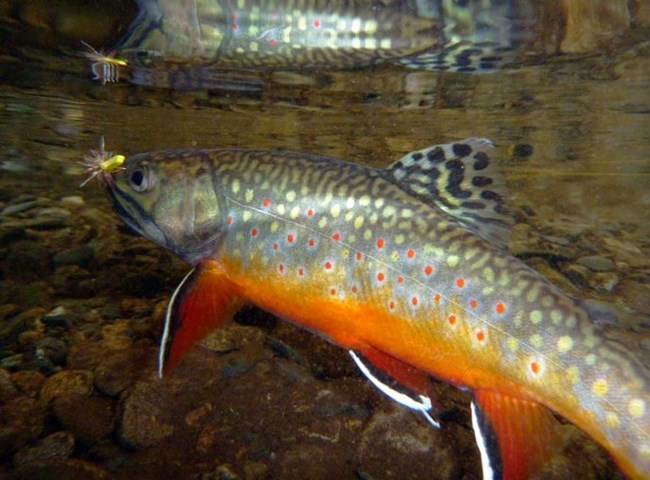
Additionally, The streams and rivers of the Great Smoky Mountains are teeming with freshwater fish species, providing a vibrant aquatic ecosystem. Common fish species include rainbow trout, brook trout, and smallmouth bass. These fish thrive in the park’s clear, cool waters, offering excellent fishing opportunities for anglers. Conservation efforts are crucial in protecting endangered species such as the Southern Appalachian brook trout, which has faced habitat loss and competition from non-native species. These efforts involve habitat restoration and carefully managing fish populations to ensure survival.
If you’re interested in fishing in the Great Smoky Mountains, it’s essential to be aware of the park’s fishing regulations. These rules are designed to protect fish populations and maintain the health of the aquatic ecosystem. Regulations include specific guidelines on the types of bait and lures allowed, catch limits, and designated fishing areas.
Insects
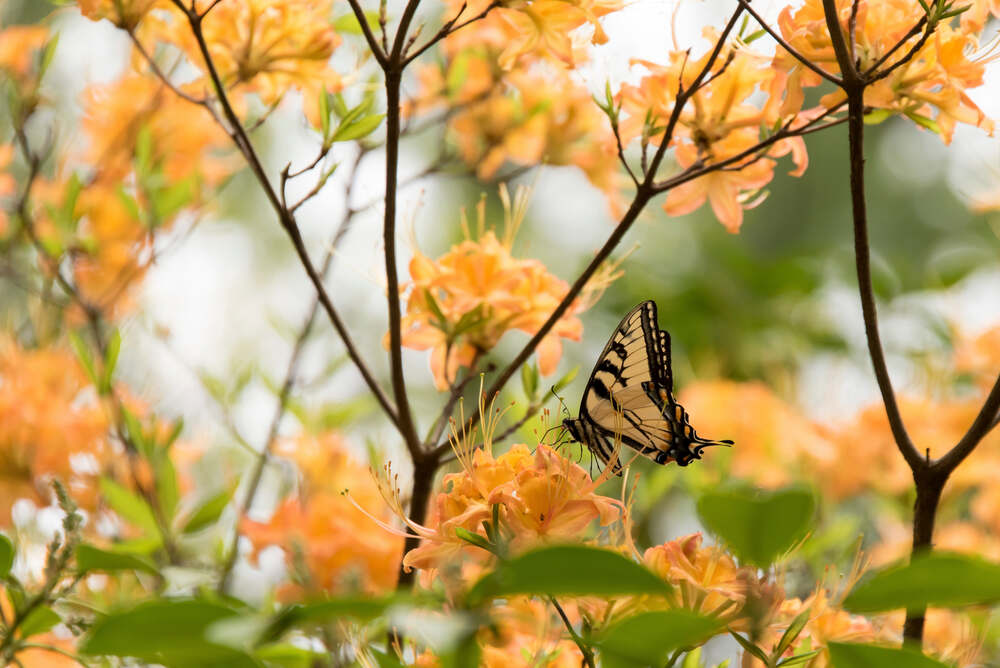
Insects and arachnids play a vital role in maintaining the health and diversity of GSMNP’s ecosystem. Among the most captivating are the butterflies and moths, with common species such as the monarch butterfly and the luna moth frequently seen in various habitats, from meadows to forests. These insects are crucial pollinators, contributing significantly to the reproduction of many plant species in the park.
Spiders also play an essential role in the ecosystem. Notable species like the orb weaver and the wolf spider are often spotted in the park. They help control insect populations, thus maintaining a balance in the food web. Their presence indicates a healthy environment, and their webs are a common sight in the park’s habitats.
Other insects, including beetles, ants, and bees, have a profound impact on the environment and biodiversity. They aid in processes such as decomposition, pollination, and soil aeration, which are crucial for nutrient cycling and plant health.
Plant Life
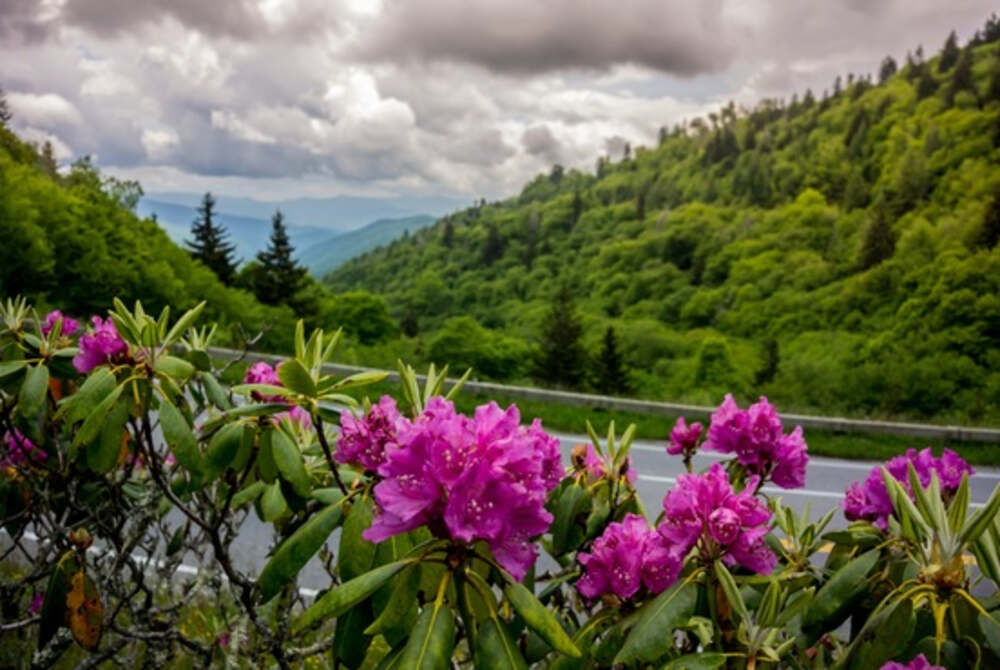
Notably, the plant life in the Great Smoky Mountains is intricately connected to the wildlife, creating a complex and interdependent ecosystem. Plants here are crucial for supporting the wide variety of animals in the park. Different plant species provide food, shelter, and breeding grounds for countless wildlife species, from insects and birds to mammals. The rich plant life ensures these animals can find the resources they need throughout the year.
Among the common plant species in the Great Smoky Mountains are a variety of trees, shrubs, and flowers. Trees such as the American beech, tulip poplar, and various oak and maple species dominate the forested areas. Shrubs like mountain laurel and rhododendron add to the lush understory. At the same time, wildflowers such as trillium, jack-in-the-pulpit, and lady’s slipper orchid bring vibrant colors to the landscape, especially in spring and summer.
Conservation efforts are vital for protecting the park’s rare and endangered plant species. Plants like the spreading avens and the rock gnome lichen face threats from habitat loss and environmental changes. Conservation programs focus on habitat preservation, research, and public education to ensure these plants continue to thrive.
Final Thoughts
To wrap things up, the Great Smoky Mountains are home to an extraordinary array of wildlife, including mammals like black bears and elk, a plethora of birds, numerous reptiles and amphibians, abundant fish species, and a variety of insects and arachnids. The park’s plant life supports this biodiversity, creating a thriving ecosystem. Preserving this wildlife is crucial for maintaining the region’s ecological balance and natural beauty.
When you visit here, keep in mind you play a vital role in the preservation of this beautiful park. By practicing responsible tourism, following park guidelines, and supporting conservation efforts, you help ensure that the Great Smoky Mountains remain a sanctuary for wildlife. Your actions can make a significant difference in protecting these natural resources for future generations to enjoy.
I WOULD LOVE TO HEAR FROM YOU! Scroll to the bottom to leave a comment about a trip you’ve taken to this remarkable park or any questions you might have about the rich wildlife here.
National Parks List, Map, and Complete Guide (All 63 Parks + Downloadable List & Map)
Want a FREE complete list and recap of all our US National Parks as well as downloadable maps and other great resources? Check out our US National Parks List and Map guide!

National Parks Scratch Off Map of United States
Best Travel Gifts to Track Your Travels and Adventures! Check out the top-selling National Parks scratch off map of the United States!

FAQ’S
Are there grizzly bears in Smoky Mountain National Park?
No, there are no grizzly bears in Great Smoky Mountains National Park; only black bears are present.
What are the predators in the Smoky Mountains National Park?
Predators in the Smoky Mountains include black bears, bobcats, coyotes, and various birds of prey.
What native species live in the Great Smoky Mountains National Park?
Native species include black bears, white-tailed deer, elk, various bird species, salamanders, and many types of insects and plants.
What is the largest animal in the Smoky Mountains?
The largest animal in the Smoky Mountains is the elk.
Are there wild pigs in the Smoky Mountains?
Yes, wild pigs, also known as feral hogs, are present in the Smoky Mountains.
What are the odds of seeing a bear in the Smoky Mountains?
The odds of seeing a bear in the Smoky Mountains are relatively high, especially in popular areas like Cades Cove.
Do I need bear spray in Great Smoky Mountains?
Bear spray is not required in the Great Smoky Mountains, but it can be a useful precaution if you plan to hike in remote areas.
What month are bears most active in the Smoky Mountains?
Bears are most active in the Smoky Mountains during the late spring and early summer months, typically May and June.
