
National parks are sanctuaries of natural beauty, carefully preserved to protect their ecological, cultural, and historical significance. Governments around the world designate these areas to conserve and showcase unique landscapes, wildlife, and habitats. This is a reflection of why national parks are so important!
The concept of these protected public lands has evolved over time, with the establishment of Yellowstone National Park in 1872 marking the beginning of a global movement to protect natural treasures. The idea of setting aside land for the enjoyment and benefit of the public while ensuring its preservation for future generations has since become a cornerstone of conservation efforts worldwide.
In this article, I’ll dig a little deeper into the many reasons why our nation’s national parks are so important. We’ll get into topics such as how they play a crucial role in conservation and preservation by safeguarding diverse ecosystems, protecting endangered species, and preserving cultural heritage sites. I’ll also highlight how they offer a glimpse into the Earth’s natural and cultural history, providing valuable educational and recreational opportunities.
Protecting Wildlife
These public lands provide protected spaces where wildlife can live and thrive without the threat of habitat destruction. By preventing deforestation, urban development, and industrial activity, these areas ensure that animals have the space and resources they need to survive. Here are some ways wildlife is protected:
Restricting Human Impact
They enforce strict rules to minimize human interference with wildlife. Regulations limit hunting, fishing, and off-road activities, helping to prevent overexploitation and habitat degradation. Park Rangers also educate visitors on responsible behavior, such as keeping a safe distance from animals.
Preventing Poaching and Illegal Activities
They have dedicated law enforcement to combat poaching and illegal wildlife trade. By monitoring and protecting vulnerable species, parks help prevent the decline of animals that might otherwise be hunted or captured for profit.
Supporting Conservation Programs
They actively participate in conservation and research programs. Scientists study animal behavior, monitor population trends, and work on habitat restoration projects to ensure species’ long-term survival. These efforts help protect endangered animals and promote biodiversity.
Maintaining Natural Ecosystems
They preserve entire ecosystems, ensuring that food chains and natural cycles remain intact. By protecting plants, rivers, and forests, parks create a balanced environment where predators, prey, and plant life can coexist naturally.
Providing Safe Migration Corridors
Many animals migrate across large distances to find food, mate, or escape harsh weather. To safeguard this, national parks protect key migration routes, ensuring that species such as elk, caribou, and monarch butterflies can move freely without human-made barriers like roads or urban development.
Educating the Public
And finally, national parks play a role in raising awareness about wildlife conservation. Through visitor programs, ranger talks, and interactive exhibits, you gain a deeper understanding of the importance of protecting animals and their habitats.
Environmental Importance

Preservation
First off, national parks serve as crucial habitats for a wide variety of plant and animal species, many of which are rare or endangered. By protecting these areas from development and human activity, they help maintain biodiversity. They provide safe havens where species thrive, and ecosystems can remain balanced. Without these protected lands, many species would face the risk of extinction due to habitat destruction and fragmentation.
Protection of Ecosystems and Habitats
National parks play a vital role in preserving ecosystems and habitats. These areas often contain distinct environments that are home to numerous species. Safeguarding these areas helps ensure their survival and maintain a healthy environment. They can also act as buffer zones, protecting surrounding areas from the negative impacts of human activities such as pollution and deforestation.
Role in Climate Change Mitigation
Interestingly, national parks contribute to climate change mitigation efforts in several ways. Forests within these parks act as carbon sinks, absorbing carbon dioxide from the atmosphere and helping to reduce greenhouse gas levels. They also help maintain the water cycle, which is crucial for regulating the Earth’s climate.
Cultural and Historical Significance
Preservation of Cultural Heritage
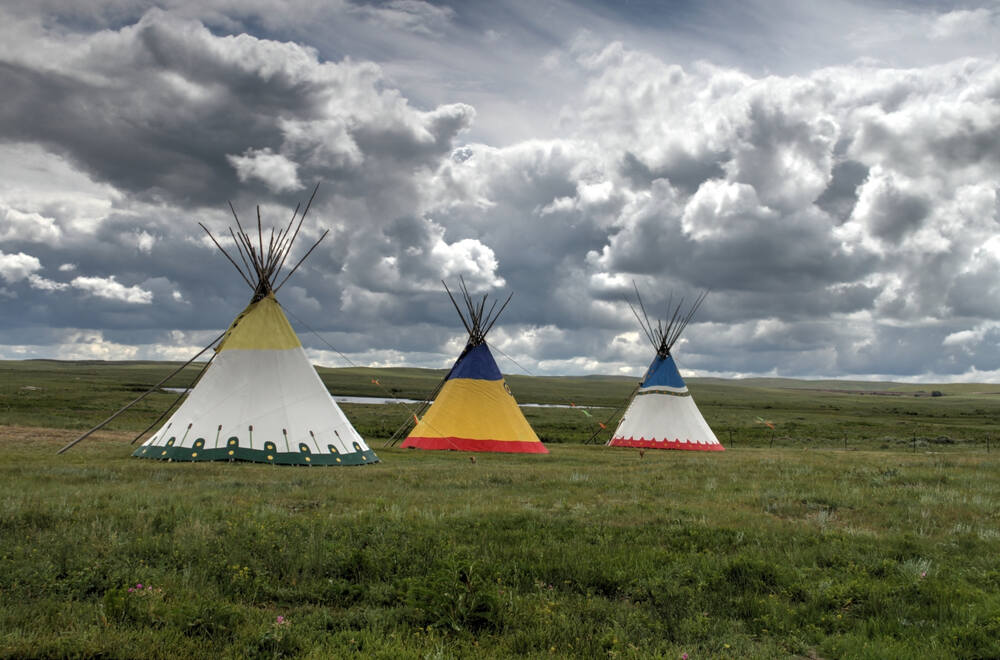
These designated lands often contain cultural and historical sites, which are important to local communities. These sites may include ancient ruins, historic buildings, or artifacts that provide insight into past civilizations and ways of life.
Promotion of Education and Research
Also important is the fact that national parks serve as living laboratories for scientists and researchers, with opportunities to study diverse habitats and species. These areas provide a valuable understanding of ecological processes and the impacts of human activities on the environment. They play a crucial role in educating the public about conservation and environmental stewardship, helping to form a deeper appreciation for the natural world and our place within it.
Connection to Indigenous Peoples and Their Traditions
Furthermore, many of these parks are located on lands that Indigenous peoples have inhabited for thousands of years. These areas are often of great spiritual and cultural significance to these communities and serve as a link to their ancestors and traditional ways of life. By recognizing and respecting these connections, it helps us to preserve and appreciate these indigenous cultures.
Economic Benefits
Tourism and Recreation
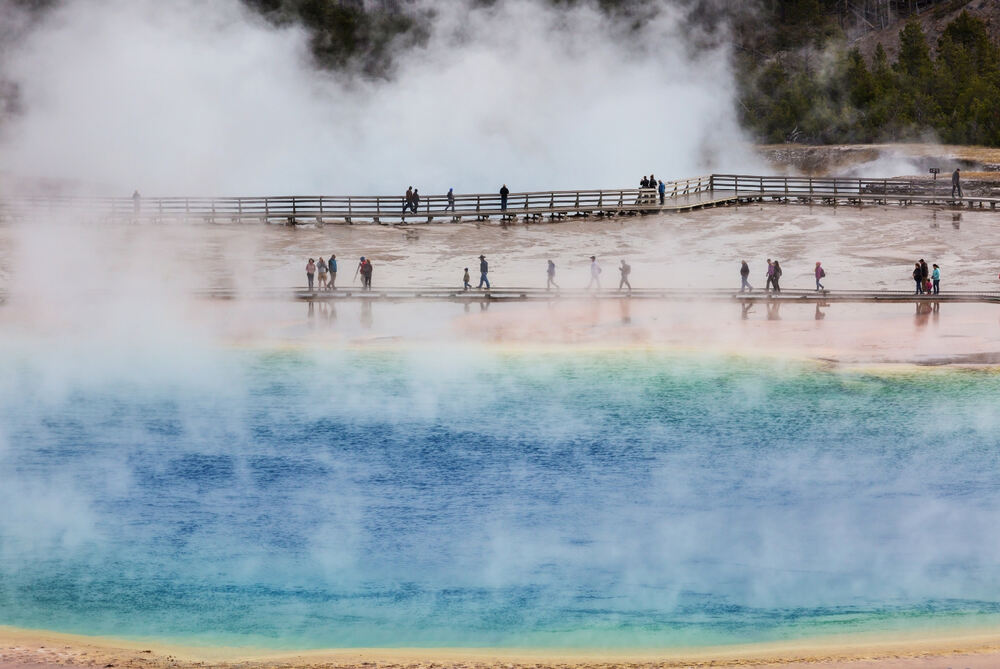
Not to be overlooked is how these areas are major tourist attractions, drawing visitors from all over the world. Their scenic beauty and recreational opportunities, such as hiking, camping, and spotting wildlife, largely contribute to the tourism industry. This tourist influx stimulates local economies by spending on accommodations, food, transportation, and souvenirs. Tourism also helps raise awareness about the importance of conservation and can lead to increased support for environmental protection efforts.
Job Creation
The tourism industry supported by the NPS creates a wide range of job opportunities, both directly and indirectly. The parks require staff for maintenance, visitor services, and conservation efforts, providing employment opportunities for local communities. Furthermore, the tourism industry generates demand for goods and services in the surrounding areas, leading to additional job creation in sectors such as hospitality, retail, and transportation.
Contribution to Local Economies
Therefore, they can have a significant positive impact on local economies. The presence of a national park can lead to the development of infrastructure and services to support tourism, such as hotels, restaurants, and tour companies. This development can stimulate economic growth in rural or underdeveloped areas, providing new opportunities for businesses and residents alike. Furthermore, they can help diversify local economies, reducing dependence on industries that may have negative environmental impacts.
Recreational and Health Benefits

Opportunities for Outdoor Activities
They offer an extensive amount of outdoor activities, such as hiking, camping, fishing, and wildlife watching. These activities allow you to connect with nature, experience the outdoors, and do things that encourage physical fitness and mental well-being. They also often have well-maintained trails and facilities that make it easy for you to explore and enjoy the natural beauty of these areas.
Promotion of Physical and Mental Health
Additionally, spending time in national parks can significantly benefit your physical and mental health. Being in nature has been shown to reduce stress, anxiety, and depression and can improve your mood and overall sense of well-being. These areas contain tranquil environments where you can relax, unwind, and recharge away from the stresses of daily life.
Final Thoughts
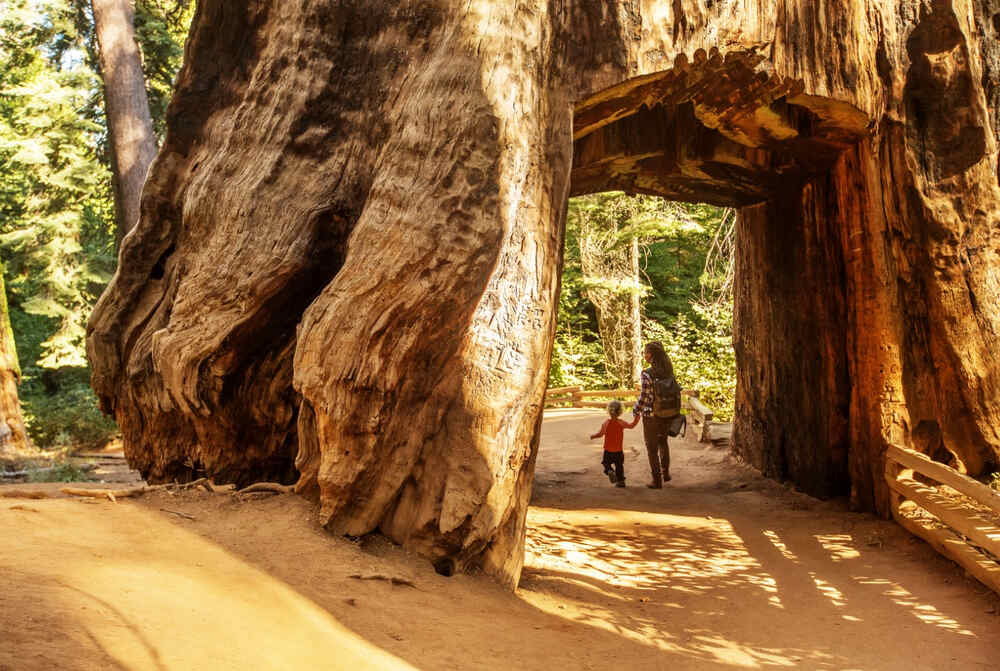
So, to wrap things up, national parks play a crucial role in conservation, preservation, and our overall well-being. They preserve biodiversity, protect ecosystems, and mitigate climate change. They also hold significant cultural and historical value, promoting education and research while linking us to indigenous traditions. Economically, they drive tourism, create jobs, and benefit local economies. Outdoor activities across these public lands also assist in physical and mental health, contributing to our overall well-being.
Supporting and preserving these protected areas is essential to guarantee that they continue to thrive and fulfill their vital roles. You can do this by advocating for their protection, practicing responsible tourism, and supporting conservation efforts. By working together to safeguard these natural treasures, we can ensure that future generations can continue to enjoy and benefit from national parks.
I WOULD LOVE TO HEAR FROM YOU! Scroll to the bottom to leave a comment about other ways you believe these public lands safeguard our national treasures. Also, let me know of any questions you might have.
National Parks List, Map, and Complete Guide (All 63 Parks + Downloadable List & Map)
Want a FREE complete list and recap of all our US National Parks as well as downloadable maps and other great resources? Check out our US National Parks List and Map guide!

National Parks Scratch Off Map of United States
Best Travel Gifts to Track Your Travels and Adventures! Check out the top-selling US National Parks Map Poster of the United States!

FAQ’S
What impact did national parks have?
National parks have a significant impact on conservation efforts, preserving natural and cultural heritage for years to come. They have also played a crucial role in raising awareness about environmental issues and aiding sustainable tourism. National parks have also contributed to scientific research and education, providing valuable insights into ecosystems and biodiversity.
Why are national parks protected?
National parks are protected to conserve and preserve unique landscapes, habitats, and species. They serve as sanctuaries for wildlife, provide opportunities for scientific research, and provide recreational and educational benefits to the public. Protecting national parks makes certain that these areas remain intact and easy to reach for people to enjoy and learn from.
How do national parks benefit people?
National parks benefit people in various ways, such as providing opportunities for outdoor recreation and relaxation, advancing physical and mental health, and offering education about the parks and their habitats. They also contribute to local economies through tourism and job creation. Moreover, national parks help connect you to nature and cultural heritage.
Why were national parks created?
National parks were created to protect and preserve natural and cultural resources from exploitation and development. The establishment of national parks aimed to conserve one-of-a-kind landscapes, environments, and wildlife for others to enjoy and study. National parks were also created to promote environmental awareness and education.
What do national parks teach us?
National parks teach us about the importance of conservation and environmental stewardship. They provide valuable insights into biodiversity and the impacts of human activities on the environment. National parks also teach us about cultural heritage, indigenous traditions, and the importance of preserving these aspects of our history and identity.
How do national parks protect wildlife?
National parks protect wildlife by providing safe regions where species can thrive without the threat of habitat destruction or exploitation. They also implement conservation measures to manage and monitor wildlife populations, protect endangered species, and preserve biodiversity. Additionally, national parks raise awareness about the importance of wildlife conservation and sustainability to minimize human impact on wildlife.
What 5 reasons deem national parks important?
National parks are important for preserving biodiversity, protecting habitats, showcasing environmental education and research, supporting local economies, and providing recreational and health benefits. They also play a crucial role in cultural preservation and promoting a sense of stewardship towards the natural world.
Do national parks actually protect the environment?
Yes, national parks play a significant role in protecting the environment by preserving natural and cultural resources, conserving biodiversity, and encouraging sustainable practices. They serve as benchmarks for conservation efforts and raise awareness about environmental issues. However, challenges such as climate change, pollution, and habitat loss continue to threaten the environment, highlighting the need for ongoing protection and conservation efforts.
Why should we continue to protect the national park system?
We should continue to protect the national park system because it preserves unique and irreplaceable natural and cultural treasures. National parks provide numerous benefits, including outdoor opportunities, economic benefits, and environmental protection. By protecting the national park system, we ensure that these benefits are preserved for all time and that these valuable resources remain intact and reachable.
