
If you’re looking for wildlife to see at Shenandoah National Park, you’ve come to the right place! Located in the Blue Ridge Mountains of Virginia, Shenandoah National Park spans over 200,000 acres. This park is a treasure trove of biodiversity, home to various mammals, birds, reptiles, amphibians, insects, and aquatic life.
You’ll encounter species like white-tailed deer, black bears, and eastern bluebirds, among many others.
As you continue reading, I’ll discuss where and when to spot these incredible creatures and give tips for a safe and rewarding time watching them. You might be wondering, though, what are the best spots and times to see these animals? Enjoy as I dive into the details!
Mammals
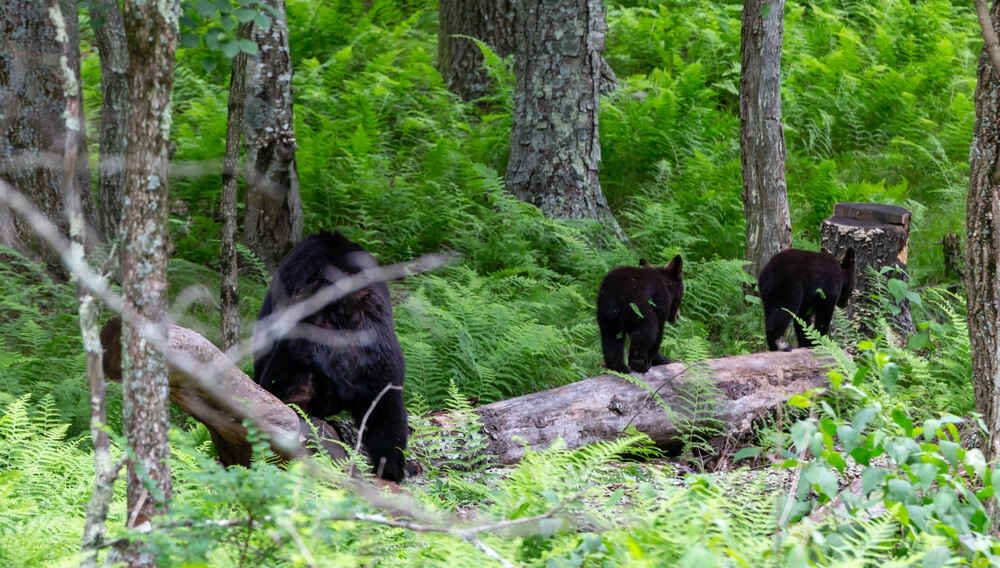
First off, Shenandoah National Park hosts over 50 species of mammals, including white-tailed deer, black bears, and eastern cottontail rabbits. Other notable mammals include red foxes, bobcats, and numerous bat species.
White-tailed deer: White-tailed deer are medium-sized deer with reddish-brown coats in summer that turn grayish-brown in winter. They have distinctive white undersides to their tails, which they raise when alarmed. You will find white-tailed deer throughout Shenandoah National Park, especially in open woodlands, meadows, and forest edges. Early morning and late afternoon are the best times to see them, particularly near Skyline Drive and grassy areas like Big Meadows.
Black bears: Black bears in Shenandoah National Park are typically black but can have brown or cinnamon fur. They are large, with males weighing up to 500 pounds and females up to 300 pounds. Black bears are omnivores, feeding on plants, fruits, nuts, insects, and small animals. They are most active in the early morning and late evening. If you encounter a black bear, stay calm and do not run. Back away slowly, speak in a calm voice, and make yourself appear larger. Never feed or approach bears, and always store food properly when camping.
Eastern cottontail rabbits: These rabbits have brownish-gray fur with a white underside and a distinctive white “cotton ball” tail. They are small, with adults weighing around two to four pounds. These rabbits prefer open fields, meadows, and forest edges. They are most active during dawn and dusk, feeding on grasses, herbs, and garden plants.
Red foxes: Red foxes have reddish fur, bushy tails with white tips, and black legs. They are small, weighing between eight and fifteen pounds. Red foxes are primarily nocturnal hunters, feeding on small mammals, birds, insects, and fruits. They are known for their cunning and adaptability. You are most likely to spot red foxes early in the morning or late evening in open fields, on forest edges, and along trails.
Birds
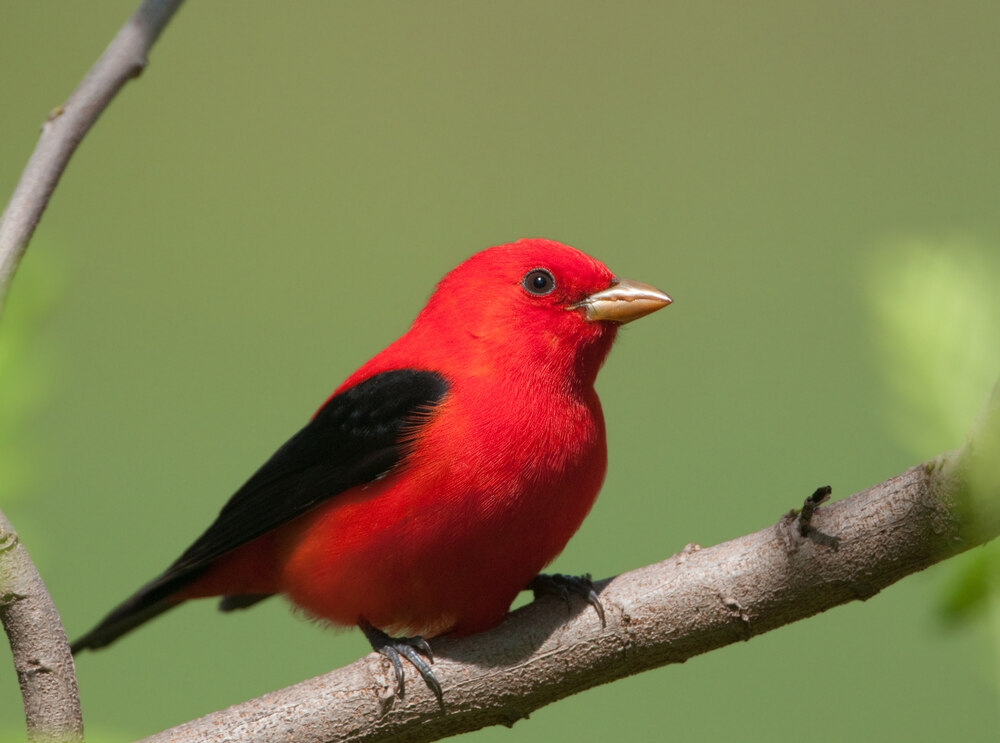
Amazingly, Shenandoah National Park is home to over 200 bird species, including the eastern bluebird, peregrine falcon, and scarlet tanager.
Eastern bluebirds: Eastern bluebirds are small thrushes with bright blue plumage on the back and wings, a rusty-red throat and chest, and a white belly. Males are more vibrant in color than females. You’ll find eastern bluebirds in open woodlands, meadows, and along the edges of forests. They nest in cavities, often using nest boxes provided by conservationists. Spring and summer are the best times to see eastern bluebirds around meadows, orchards, and fields near Skyline Drive.
Peregrine falcons: These medium-sized raptors have slate-gray backs, barred white underparts, and distinctive black “mustache” markings on their faces. Peregrine falcons are known for their incredible speed, often reaching over 200 mph during hunting dives. They prey on birds, such as pigeons and songbirds. Peregrine falcons were once endangered due to pesticide use, but conservation efforts, including reintroduction programs in Shenandoah, have helped their populations recover. Look for them near cliffs and high vantage points.
Scarlet tanagers: These medium-sized songbirds have striking red bodies with black wings and tails in males. However, females are olive-yellow with darker wings. Scarlet tanagers prefer mature deciduous forests and are often found high in the forest canopy. You are most likely to see scarlet tanagers during spring and summer when they breed in Shenandoah. Listen for their distinctive, raspy song in the treetops.
Wild turkeys: Wild turkeys are large, ground-dwelling birds with dark plumage, a bald head, and a fan-shaped tail. Males are larger and have a prominent beard of feathers on their chest. Wild turkeys are social birds that often travel in flocks. They forage on the ground, eating seeds, insects, and berries. Early morning and late afternoon are the best times to spot wild turkeys in open fields, woodlands, and along park roads and trails.
Reptiles and Amphibians
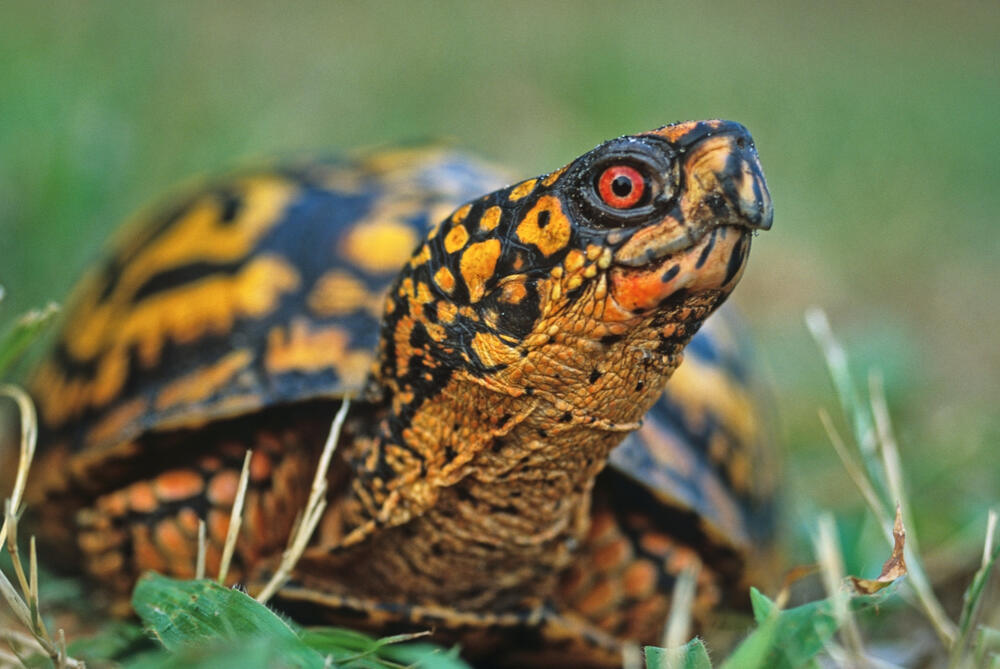
Furthermore, Shenandoah National Park is home to over 40 species of reptiles and amphibians. This includes species like the eastern box turtle, timber rattlesnake, American toad, and spring peeper.
Eastern box turtles: These turtles have domed shells with bright yellow and orange patterns. They can retract fully into their shells for protection. You will find eastern box turtles in forests, meadows, and wetlands. They are omnivores, eating plants, insects, and small animals. Eastern box turtles are considered vulnerable due to habitat loss, road mortality, and pet trade. Conservation efforts focus on habitat preservation and public education.
Timber rattlesnakes: Timber rattlesnakes have thick bodies with dark, V-shaped crossbands on a background that can be yellow, brown, or gray. They have a distinctive rattle on their tails. These snakes prefer deciduous forests and rocky outcrops. They are ambush predators, feeding on small mammals and birds. They are most active during the warmer months. If you encounter a timber rattlesnake, stay calm and do not approach it. Give the snake space to retreat. Watch your step and avoid tall grass or rocky areas where they might be hiding.
American toads: American toads have warty skin with varying shades of brown, gray, or olive, and dark spots. They are medium-sized amphibians with stout bodies. You will find them in forests, gardens, and near water bodies. They breed in shallow water during the spring, laying eggs in long strings.
Spring peepers: Spring peepers are tiny frogs with a distinctive X-shaped marking on their backs. They are typically light brown or gray, living in moist forests and near wetlands. Their loud, high-pitched calls are often heard in early spring, especially in the evening.
Insects
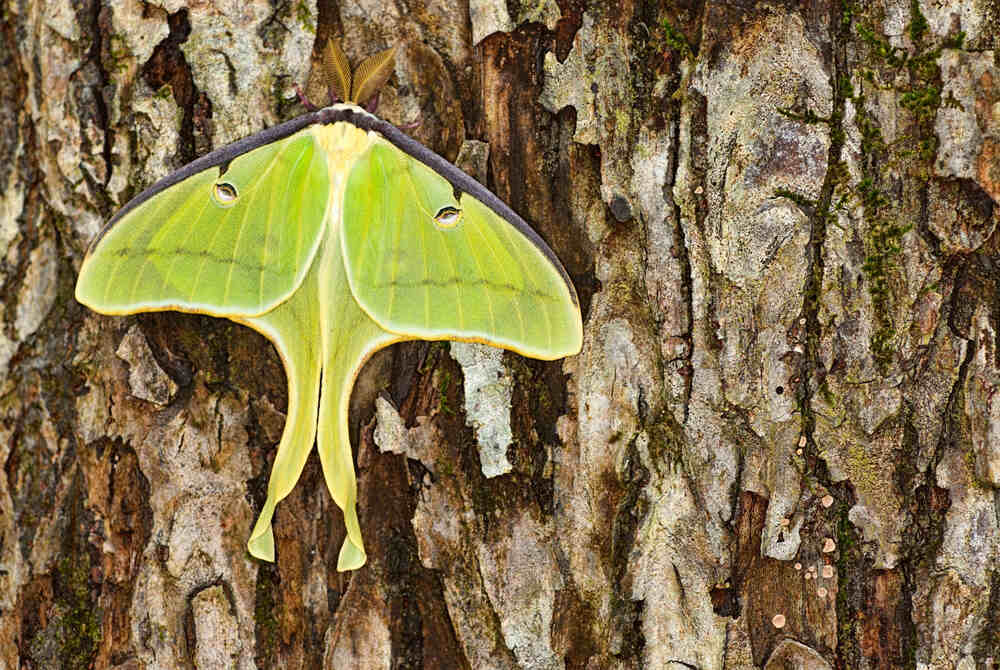
Unsurprisingly, Shenandoah National Park hosts thousands of insect species. This diverse group includes notable species like the monarch butterfly and luna moth.
Monarch butterflies: These beauties are known for their vibrant orange wings with black and white markings. They have a wingspan of about 3.5 to 4 inches. Monarchs are famous for their long-distance migration from North America to central Mexico. They breed in the summer months, laying eggs on milkweed plants, which their caterpillars exclusively eat. Conservation efforts focus on protecting milkweed habitats and migratory corridors. The best times to see monarch butterflies in Shenandoah are during their migration periods in spring and fall.
Luna moths: Luna moths have pale green wings with long, trailing tails and eye-like spots. They are large moths with a wingspan of 4.5 to 7 inches. Luna moths inhabit deciduous woodlands. Their life cycle includes a caterpillar stage that feeds on leaves of trees like hickory, walnut, and birch. Adults do not eat and live for only about a week. Spotting a luna moth is a special event due to their short adult lifespan. Their presence indicates a healthy forest ecosystem, and sightings are most common during late spring and early summer.
Aquatic Life
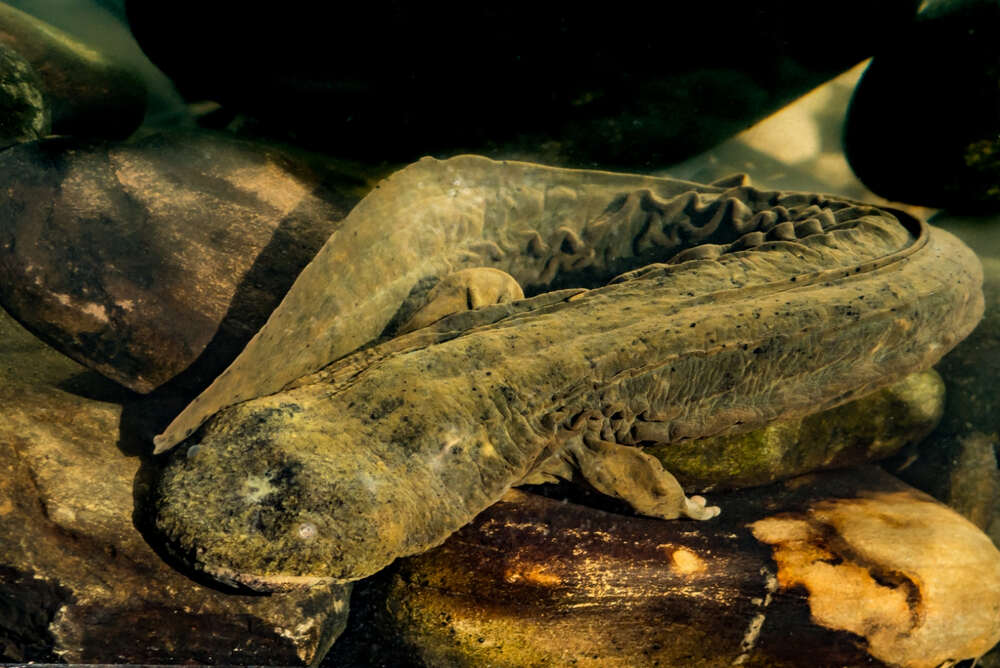
Moreover, Shenandoah National Park is home to various aquatic animals, including over 30 fish species. Notable species include brook trout and eastern hellbenders. Both of which are essential to the park’s aquatic ecosystems.
Brook trout: These fish have dark green to brown bodies with a distinctive marbled pattern on their backs and red spots surrounded by blue halos on their sides. They are typically 9 to 10 inches long. You will find brook trout in the park’s cold, clear, and well-oxygenated streams and rivers. Their diet consists mainly of aquatic insects, small crustaceans, and other fish.
Interestingly, brook trout play a crucial role in maintaining the health of aquatic ecosystems. They are a key species for sport fishing, and regulations are in place to ensure sustainable fishing. Anglers must follow catch-and-release guidelines to protect brook trout populations.
Eastern hellbenders: Eastern hellbenders are large, aquatic salamanders that can grow up to 29 inches long. They have flattened bodies, loose, wrinkled skin, and are typically brown or gray. You will find eastern hellbenders in clean, fast-flowing streams and rivers with rocky bottoms. They are nocturnal and feed on crayfish, insects, and small fish.
Sadly, they are considered near threatened due to habitat destruction, pollution, and disease. Conservation efforts in Shenandoah National Park include habitat protection, water quality monitoring, and research programs to support their populations.
Final Thoughts
In the end, Shenandoah National Park is home to a wide variety of wildlife, including mammals like white-tailed deer and black bears, birds like eastern bluebirds and peregrine falcons, reptiles and amphibians such as eastern box turtles and spring peepers, insects like monarch butterflies and luna moths, and aquatic life such as brook trout and eastern hellbenders. Each species contributes to the park’s biodiversity and allows for a one-of-a-kind chance to spot these amazing creatures in the heart of Appalachia.
Ultimately, visiting Shenandoah National Park provides you with the chance to experience this incredible wildlife firsthand. Remember to observe responsibly by following best practices, such as staying quiet, using binoculars and cameras, and sticking to designated trails. Doing so helps you enjoy your experience while minimizing your impact on the wildlife and their habitats.
I WOULD LOVE TO HEAR FROM YOU! Scroll to the bottom to leave a comment about a trip you’ve taken to this remarkable park and any wildlife you’ve seen.
National Parks List, Map, and Complete Guide (All 63 Parks + Downloadable List & Map)
Want a FREE complete list and recap of all our US National Parks as well as downloadable maps and other great resources? Check out our US National Parks List and Map guide!

National Parks Scratch Off Map of United States
Best Travel Gifts to Track Your Travels and Adventures! Check out the top-selling National Parks scratch off map of the United States!

FAQ’S
What wild animals are in Shenandoah National Park?
Shenandoah National Park is home to a diverse range of wildlife, including over 50 species of mammals, such as white-tailed deer and black bears, more than 200 bird species, and numerous reptiles, amphibians, and aquatic species.
How likely is it to see a bear in Shenandoah National Park?
Seeing a black bear in Shenandoah National Park is relatively common, especially during the early morning and late evening. However, encounters are generally safe if proper precautions are taken.
Do I need bear spray in Shenandoah National Park?
Bear spray is not typically necessary in Shenandoah National Park. Still, it is important to follow safety guidelines, such as keeping a safe distance and storing food properly.
Are there poisonous snakes in Shenandoah National Park?
Yes, Shenandoah National Park is home to poisonous snakes, including the timber rattlesnake and the northern copperhead.
Is hiking in Shenandoah safe?
Hiking in Shenandoah National Park is generally safe if you stay on designated trails, follow safety guidelines, and are prepared with proper gear and knowledge of the terrain.
Why is Shenandoah so famous?
Shenandoah National Park is famous for its stunning scenic views, diverse wildlife, and the Skyline Drive, a 105-mile road that runs along the crest of the Blue Ridge Mountains, offering breathtaking vistas.
Is camping in Shenandoah safe?
Camping in Shenandoah National Park is safe when you follow park regulations, store food properly to avoid attracting wildlife, and are aware of your surroundings.
