
The National Park Service (NPS) plays a crucial role in preserving Texas’ natural landscapes and historical sites. The state has 18 NPS units, each offering a unique window into the state’s heritage and natural beauty. From the rugged mountains of Guadalupe Mountains National Park to the historic battlefields of Palo Alto Battlefield National Historical Park, these sites contribute significantly to Texas’ cultural and natural wealth.
In this article, I’ll guide you through each type of NPS unit in Texas, providing a detailed look at what each site offers and why it’s a must-visit destination. Whether you’re planning your next adventure or looking to learn more about Texas’ protected lands and historical treasures, this exploration will give you a clear understanding of the NPS’s invaluable contributions to the state’s landscape.
- National Parks in Texas
- National Monuments in Texas
- National Recreation Areas in Texas
- National Preserve in Texas
- National Historic Sites in Texas
- National Historic Trails in Texas
- National Memorial in Texas
- National Historical Parks in Texas
- Wild & Scenic River in Texas
- National Seashore in Texas
- Final Thoughts
- National Parks List, Map, and Complete Guide (All 63 Parks + Downloadable List & Map)
- National Parks Scratch Off Map of United States
- FAQS
National Parks in Texas
Guadalupe Mountains National Park
Overview and Historical Significance
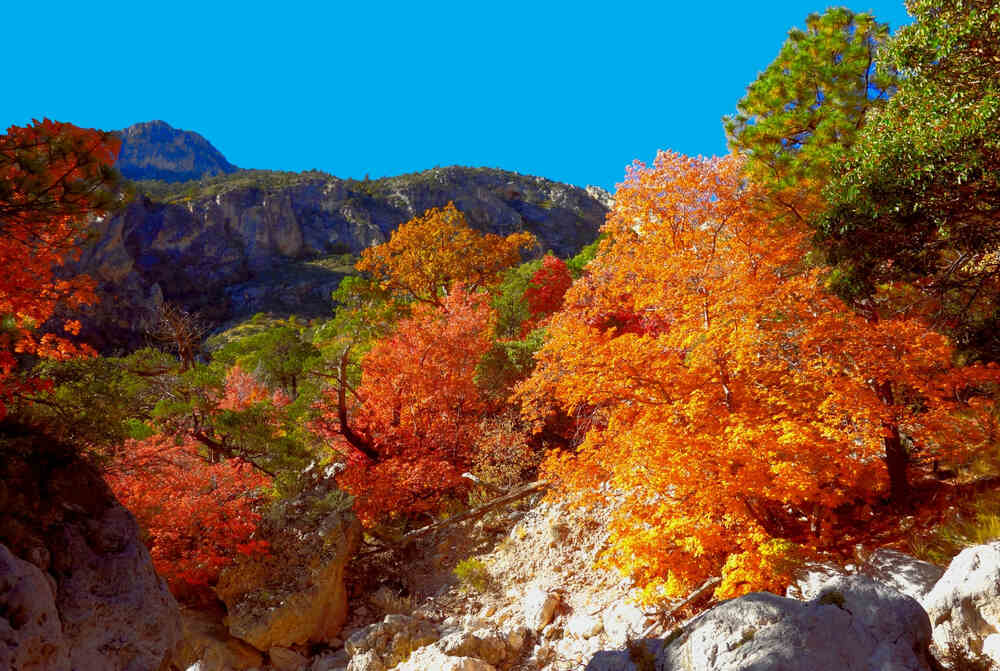
First off is Guadalupe Mountains National Park. Located in western Texas, the park guards the four highest peaks in the state. This area, rich in geological history, once lay beneath an ancient sea, with its marine fossil reef forming the backbone of the present-day mountains. Historically, it served as a landmark and territory for the Mescalero Apache people, and later, it played a role in the stories of Spanish explorers, settlers, and ranchers.
Key Features and Activities
You can explore over 80 miles of hiking trails that range from easy walks through pine forests to challenging treks up to Guadalupe Peak—the highest point in Texas. The park is also a sanctuary for diverse wildlife and has opportunities for bird watching, especially during the migratory season. If you love history, the Frijole Ranch Museum provides insights into the lives of early settlers, while the Butterfield Overland Mail Route offers a glimpse into the area’s role in westward expansion.
Big Bend National Park
Overview and Historical Significance
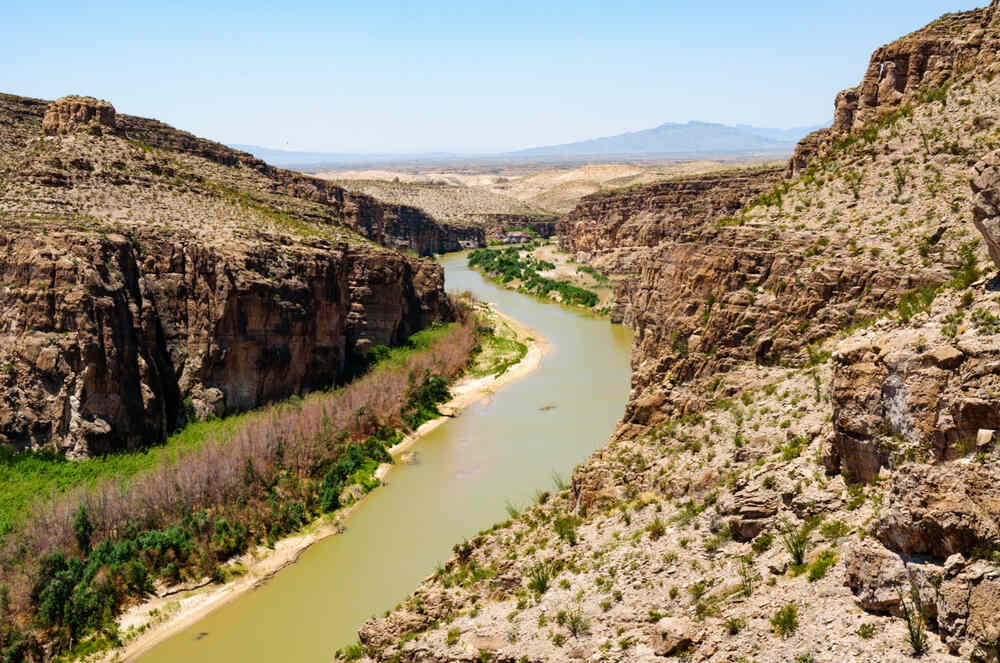
Next up is Big Bend National Park. The park showcases a dramatic landscape that includes river canyons, desert expanses, and mountain ranges. This vast park, named for the prominent bend in the Rio Grande River, makes up a significant portion of the Chihuahuan Desert, making it a critical conservation area. Its history is as varied as its landscape, with evidence of human occupation dating back thousands of years. More recently, it was the homeland of indigenous groups, a frontier for Spanish explorers, and a challenge for American settlers.
Key Features and Activities
Big Bend is renowned for its natural resources and recreational opportunities. You can take scenic drives through the park to view its many ecosystems, hike along over 150 miles of trails, or paddle down the Rio Grande for an extraordinary view of the park’s canyons. If you’re interested in night skies, Big Bend is one of the best places in North America for stargazing, thanks to its remote location and minimal light pollution. The park also offers ranger-led programs that dig into its natural wonders and rich history.
National Monuments in Texas
Alibates Flint Quarries National Monument
Overview and Significance
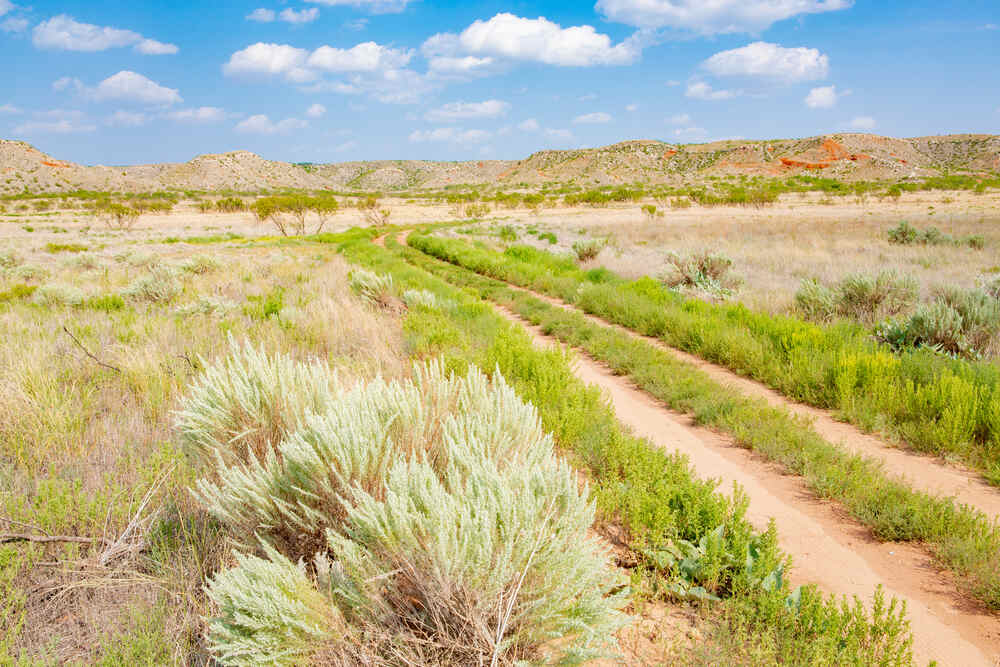
Moving on, the Alibates Flint Quarries National Monument marks a site where people have quarried flint for thousands of years. This flint, crucial for creating tools and weapons, signifies the ingenuity and survival of prehistoric peoples in the Texas Panhandle. The quarries stand as a testament to the resourcefulness of Native Americans, who expertly selected and crafted the flint into essential items, playing a vital role in their daily lives and trade.
Visitor Attractions and Activities
As a visitor, you can take guided tours to explore the quarries and gain insights into the ancient techniques used to extract and shape the flint. The monument’s visitor center contains educational displays on the area’s cultural history. Hiking trails provide a closer look at the stunning Texas Panhandle landscape and the unique geological features that made the quarries such a valuable resource. Bird watching and photography are also popular activities, given the area’s scenic terrain and wildlife.
Waco Mammoth National Monument
Overview and Significance
The Waco Mammoth National Monument is a paleontological site that provides a window into the lives of Columbian mammoths and other Pleistocene creatures. Uncovered in 1978, the site has yielded one of the largest concentrations of mammoths dying from the same event, offering unprecedented insights into their social structures and the environment of ancient North America. This monument highlights the scientific importance of the find and emphasizes the changes our planet has undergone over millennia.
Visitor Attractions and Activities
You can visit the dig site and see the mammoth fossils still in situ, a rare opportunity that brings you face-to-face with these ancient giants. The on-site pavilion protects the dig area and provides an accessible path for viewing. Guided tours offer detailed explanations of the discoveries and their significance, enhancing your understanding of paleontology and Earth’s history. Educational programs are available for all ages, making this a fascinating stop for families and anyone interested in natural history.
National Recreation Areas in Texas
Amistad National Recreation Area
Overview and Recreational Significance
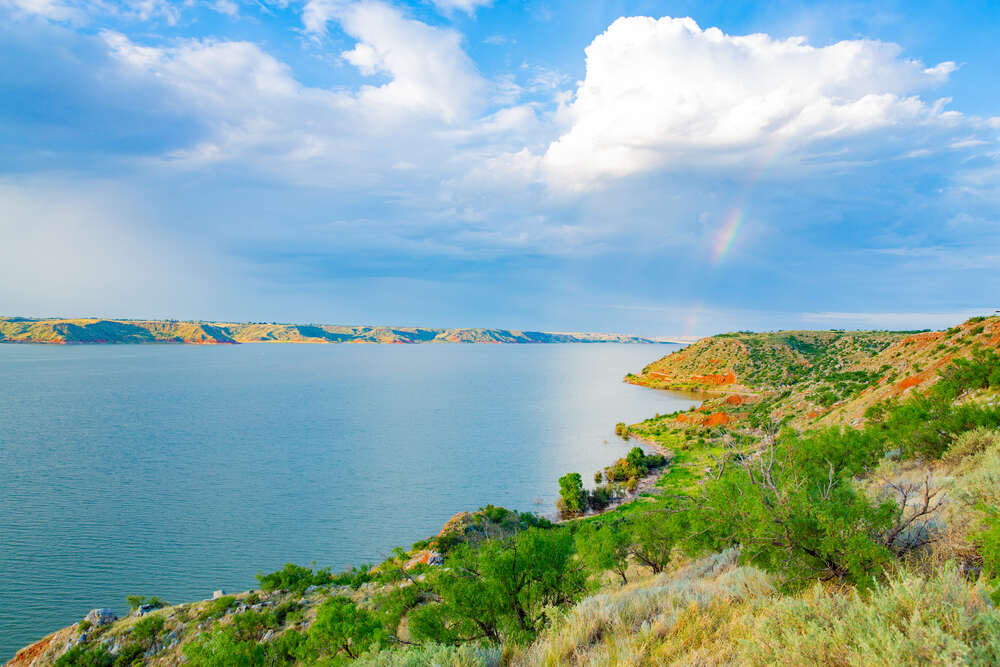
Moreover, the Amistad National Recreation Area, located in Southwest Texas, is centered around the Amistad Reservoir, a massive lake formed by the Rio Grande, Pecos, and Devils Rivers. This area is a haven for water-based activities. It offers a unique blend of cultural history, from ancient rock art to historic settlements. The reservoir’s creation has supported a diverse ecosystem and provides critical habitat for a variety of species, making it an important area for conservation and recreation alike.
Key Activities and Natural Features
You can enjoy many activities at Amistad, including boating, fishing, swimming, and scuba diving, thanks to the clear waters of the reservoir. The surrounding landscape is ideal for hiking, with trails that offer views of the lake and access to prehistoric rock art sites. Bird watching is another popular activity, with the area supporting a large number of birds, especially during migration seasons. Camping facilities are available for those who wish to stay overnight and enjoy the area’s natural beauty under the stars.
Lake Meredith National Recreation Area
Overview and Recreational Significance
The Lake Meredith National Recreation Area encompasses the lands around Lake Meredith, located in the Texas Panhandle. This area is a crucial water source for the region and has become a popular recreational destination. The lake and surrounding lands offer a multitude of outdoor activities, supported by varied landscapes that include high plains, canyons, and rolling grasslands. Its establishment has not only aided in water conservation efforts but also provided a recreational oasis in the heart of the Panhandle.
Key Activities and Natural Features
At Lake Meredith, you can enjoy boating, fishing, and watersports in the sprawling expanse of Lake Meredith. The area is renowned for its fishing opportunities, with species such as walleye, smallmouth bass, and catfish. If you prefer land-based activities, there are numerous hiking and biking trails that meander through the scenic landscapes, offering stunning views and the chance to spot wildlife. Hunting is also permitted in designated areas. Campgrounds and picnic areas are available, making it easy for you to relax and enjoy the natural surroundings.
National Preserve in Texas
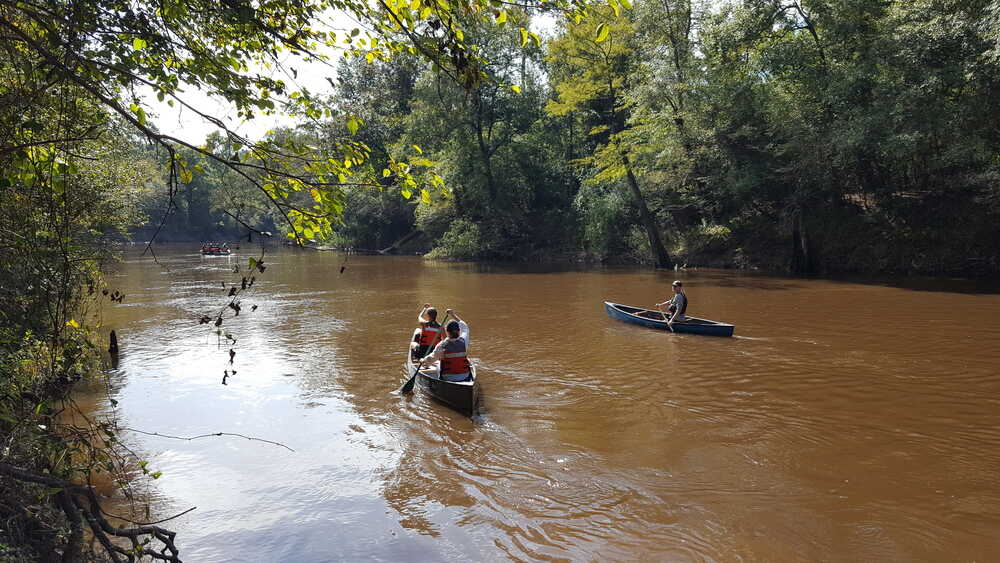
Big Thicket National Preserve
Overview and Ecological Importance
Interestingly, Big Thicket National Preserve in Southeast Texas protects a diverse range of ecosystems, including forests, rivers, and wetlands. This area is vital for its biodiversity, providing homes for numerous rare and endangered species. Preservation efforts here are crucial for studying the impacts of climate change and habitat loss.
Activities and Areas of Interest
Explore over 40 miles of hiking trails, ranging from easy walks to more challenging treks. Canoeing and kayaking offer tranquil views of the preserve’s wildlife and waterways. Bird watching is also excellent year-round. Join guided tours for insights into the preserve’s ecosystems. Hunting is allowed in designated areas during certain seasons, following strict regulations.
National Historic Sites in Texas

Blackwell School National Historic Site
Historical Significance and Visitor Information
The Blackwell School in Marfa, Texas, served as a segregated school for Hispanic children from 1909 to 1965. It stands as a symbol of the struggles and achievements of the Hispanic community in the area during the era of segregation. Today, the school has been restored and serves as a museum, offering exhibits and programs highlighting its history and the broader context of segregation in education.
Fort Davis National Historic Site
Historical Significance and Visitor Information
Fort Davis, established in 1854, played a significant role in the history of the American West. Initially constructed to protect travelers along the San Antonio-El Paso Road, the fort later served as a military outpost during the Civil War and the Indian Wars. Today, Fort Davis National Historic Site preserves many of the original fort buildings, offering you a glimpse into frontier life in the 19th century. Guided tours, exhibits, and living history demonstrations provide insight into the fort’s history and the daily lives of its inhabitants.
National Historic Trails in Texas
Butterfield Overland National Historic Trail
History and Route Highlights
The Butterfield Overland Mail Route was a stagecoach service that operated from 1858 to 1861, connecting St. Louis, Missouri, and San Francisco, California. The route passed through Texas, following a southern path that was considered more reliable than the northern routes. It played a significant role in the United States’ westward expansion, providing a vital link for transportation and communication. Today, you can explore segments of the historic route in Texas, which offer insights into the challenges faced by travelers in the 19th century.
El Camino Real de los Tejas National Historic Trail
History and Route Highlights
El Camino Real de los Tejas, also known as the Royal Road of the Tejas, was a historic trail used for trade and travel between Mexico City and the East Texas missions during the Spanish colonial period. The trail played a crucial role in the development of Texas and the exchange of goods, culture, and ideas between Spanish and Native American peoples. Exploring El Camino Real de los Tejas today allows you to trace the footsteps of those early travelers and learn about Texas’s rich cultural heritage.
El Camino Real de Tierra Adentro National Historic Trail
History and Route Highlights
Moreover, the El Camino Real de Tierra Adentro, or the Royal Road of the Interior Land, was a 1,600-mile trade route that connected Mexico City to San Juan Pueblo, New Mexico. This historic trail was used for over 300 years, from the mid-16th to the 19th centuries, and played a vital role in the region’s cultural exchange and economic development. Today, segments of the trail in Texas offer a glimpse into the challenges faced by traders and travelers during the colonial period, as well as the area’s rich history.
National Memorial in Texas
Chamizal National Memorial
Overview, Historical Significance, and Visitor Information
Chamizal National Memorial in El Paso, Texas, commemorates the peaceful resolution of a border dispute between the United States and Mexico. The memorial celebrates the Chamizal Convention of 1963, which established the current border alignment. Today, it offers exhibits, cultural events, and a park symbolizing friendship and cooperation between the two countries.
National Historical Parks in Texas

Lyndon B Johnson National Historical Park
Overview and Significance
Lyndon B Johnson National Historical Park, located in the Texas Hill Country, preserves the birthplace, ranch, and final resting place of the 36th President of the United States. The park showcases the life and legacy of President Johnson, highlighting his achievements in civil rights, environmental protection, and social reform. Visiting the park allows you to explore the Johnson family home, known as the Texas White House, and learn about the impact of his presidency on American history.
Palo Alto Battlefield National Historical Park
Overview and Significance
Palo Alto Battlefield National Historical Park commemorates the first major battle of the Mexican-American War, fought on May 8, 1846. The park preserves the battlefield and offers insights into the causes and consequences of the war. Visiting the park allows you to walk in the footsteps of soldiers and gain a deeper understanding of this pivotal moment in American history.
San Antonio Missions National Historical Park
Overview and Significance
San Antonio Missions National Historical Park protects four of the five Spanish frontier missions in San Antonio, including the well-known Alamo. The missions were established in the 18th century as religious and military outposts, serving to spread Spanish culture and Christianity among the indigenous populations. Visiting the park allows you to explore these historic sites, learn about the daily lives of the people who lived and worked there, and appreciate the cultural blending that occurred in the region.
Wild & Scenic River in Texas
Rio Grande Wild & Scenic River
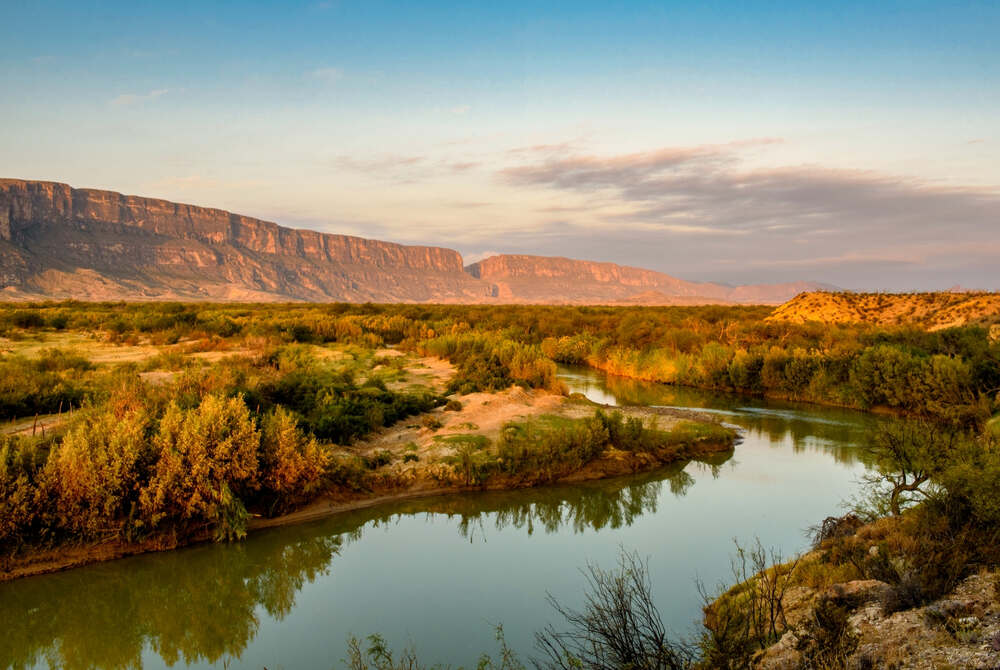
Natural Significance and Recreational Activities
The Rio Grande, designated as a Wild and Scenic River, flows along the Texas-Mexico border. It offers gorgeous scenery and recreational opportunities like canoeing, kayaking, and fishing. It’s a vital water source for wildlife and communities along its banks and has rich cultural and historical significance.
National Seashore in Texas
Padre Island National Seashore
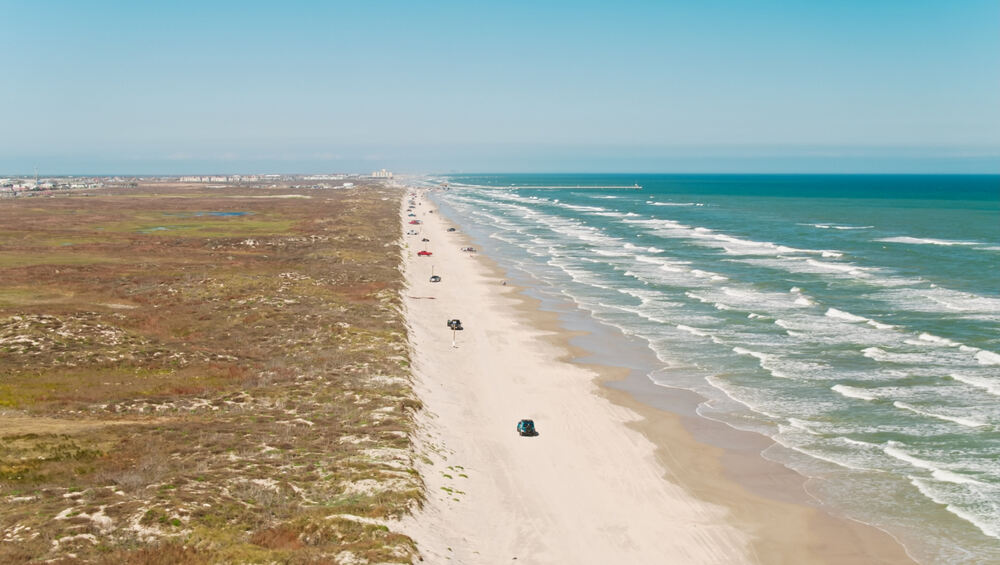
Overview, Wildlife, and Visitor Activities
Padre Island National Seashore, off the coast of South Texas, is the world’s longest undeveloped barrier island. Explore pristine beaches and diverse wildlife, including sea turtles and shorebirds. Enjoy activities like beachcombing, birdwatching, fishing, and camping. Educational programs and ranger-led tours offer insights into the island’s natural and cultural history.
Final Thoughts
In conclusion, Texas’s National Park Service units offer a colossal blend of natural beauty and historical significance. From the towering peaks of Guadalupe Mountains National Park to the serene waters of Amistad National Recreation Area, these sites provide a unique opportunity to see and experience the state’s distinct landscapes and cultural heritage.
Whether you’re interested in hiking, birdwatching, or exploring the region’s history, Texas’ NPS units have something to offer everyone. Why wait? Discover these treasures for yourself and plan your visit to some of the most incredible areas of Lone Star State today!
I WOULD LOVE TO HEAR FROM YOU! Scroll to the bottom to leave a comment about a trip you’ve taken to any of the national park units in Texas.
National Parks List, Map, and Complete Guide (All 63 Parks + Downloadable List & Map)
Want a FREE complete list and recap of all our US National Parks as well as downloadable maps and other great resources? Check out our US National Parks List and Map guide!

National Parks Scratch Off Map of United States
Best Travel Gifts to Track Your Travels and Adventures! Check out the top-selling US National Parks Map Poster of the United States!

FAQS
What is a big national park in Texas?
A big national park in Texas is Big Bend National Park, which offers stunning desert landscapes, rugged mountains, and the winding Rio Grande River along the Mexican border.
What is the most famous park in Texas?
The most famous park in Texas is likely the San Antonio Missions National Historical Park, which preserves four of the five Spanish frontier missions in San Antonio, including the well-known Alamo.
Which is better, Big Bend or Palo Duro Canyon?
The answer to whether Big Bend or Palo Duro Canyon is better depends on individual preferences. Big Bend offers diverse landscapes, including deserts, mountains, and rivers, while Palo Duro Canyon is known for its stunning red rock formations and scenic drives. Both parks have unique features that make them worth visiting.
What is the least visited national park in Texas?
The least visited national park in Texas is Guadalupe Mountains National Park, known for its rugged terrain, desert landscapes, and Guadalupe Peak, the highest peak in Texas.
What is the darkest national park in Texas?
The darkest national park in Texas is Big Bend National Park. It is renowned for its exceptional stargazing opportunities due to its remote location and minimal light pollution.
Is Big Bend worth it?
Yes, Big Bend National Park is definitely worth visiting for its stunning desert landscapes, rugged mountains, and meandering Rio Grande River.
