
Yosemite National Park, one of the most iconic national parks in the United States, offers a unique winter experience. Visiting in the winter allows you to see the park’s stunning landscapes transformed by snow and ice. In this article, I’ll provide an overview of what there is to do in Yosemite in the winter, showcasing a variety of activities and tips to make the most of your visit.
In the winter, Yosemite’s trails, meadows, and iconic granite cliffs take on a serene, snow-covered beauty. Although some areas may be inaccessible due to snow, the park remains open and has numerous winter-specific activities.
You can enjoy snowshoeing, cross-country skiing, downhill skiing, and more, all while experiencing fewer crowds than in the summer months.
You might be wondering, “What sort of conditions should I be prepared for while visiting the park in Winter?” Read on as I delve into the best winter activities, how to stay safe, and what to expect during your winter adventure in Yosemite National Park!
Winter Activities in Yosemite
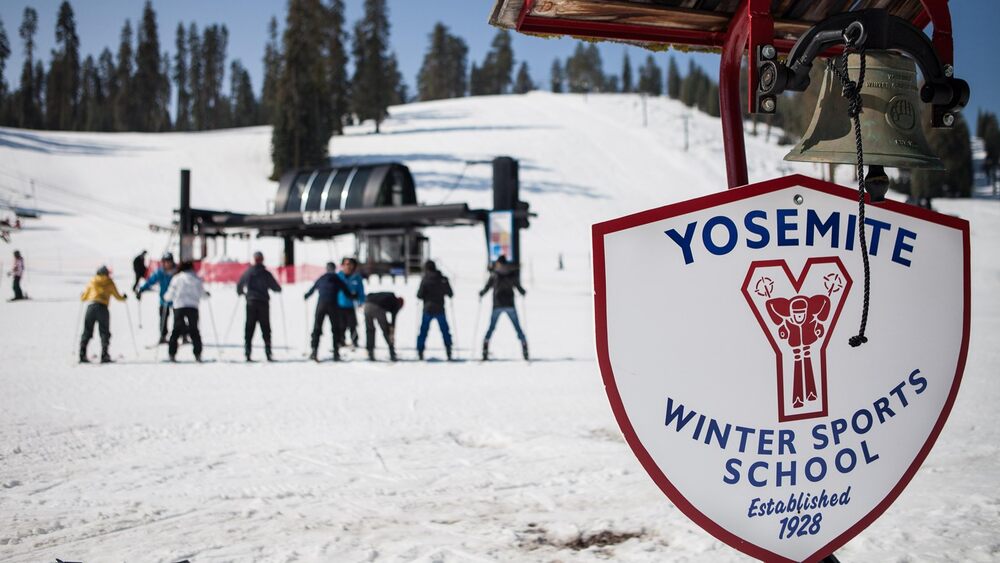
Snowshoeing and Cross-Country Skiing
Unsurprisingly, snowshoeing and cross-country skiing are popular winter activities in Yosemite. You can explore various trails, including the Badger Pass area and the Glacier Point Road. Rentals and guided tours are available if you need equipment or want to learn from an expert. These activities provide a great way to see the park’s winter beauty and enjoy some physical exercise.
Downhill Skiing and Snowboarding
For downhill skiing and snowboarding, head to the Badger Pass Ski Area. This family-friendly ski area has groomed slopes for all skill levels, ski and snowboard rentals, and lessons for beginners.
Ice Skating
Ice skating is another fun activity in Yosemite during the winter. The Curry Village Ice Rink is a popular spot, providing skate rentals and a cozy fire pit to warm up. It’s open daily, weather permitting, and provides a charming winter activity for visitors of all ages.
Scenic Drives and Photography

Scenic Drives
Interestingly, driving through Yosemite in the winter grants breathtaking views and distinctive perspectives of the park. Two key scenic drives to consider are:
Glacier Point Road: In winter, this road is only open up to Badger Pass Ski Area, providing access to snowy landscapes and phenomenal vistas. It’s a great route for those interested in snow sports or simply enjoying the winter scenery.
Wawona Road (Highway 41): This road contains views of iconic landmarks like Tunnel View, where you can see El Capitan, Half Dome, and Bridalveil Fall framed by snow-covered trees. This drive is accessible year-round and is a must-see for winter visitors.
Photography Spots
Furthermore, winter in Yosemite provides unique opportunities for photography. Some prime spots include:
Tunnel View: This iconic viewpoint boasts a classic view of Yosemite Valley with El Capitan and Half Dome. The scene is especially picturesque in winter, with snow-covered peaks and a clear atmosphere.
Yosemite Valley: Various locations within the valley, such as Sentinel Bridge and Cook’s Meadow, provide excellent spots to capture the beauty of winter landscapes and the Merced River.
Bridalveil Fall: This waterfall can be particularly photogenic in winter, often surrounded by snow and ice. The short walk to the viewpoint is typically reachable, making it a convenient stop for photographers.
Bring your camera and extra batteries, as cold weather can drain battery life quickly. Early morning and late afternoon light can enhance your photos, so plan your visits to these spots accordingly.
Winter Hiking

Popular Winter Hikes
Unquestionably, winter hiking in Yosemite makes for a different viewpoint of the park’s beauty. Here are some popular winter hikes:
Lower Yosemite Fall Trail: This easy, 1-mile loop trail provides close-up views of Yosemite Falls, one of the tallest waterfalls in North America. The trail is typically accessible in winter, but be cautious of icy sections.
Mirror Lake Trail: This 2-mile round-trip hike takes you to Mirror Lake, which offers reflections of Half Dome and other surrounding peaks. The trail can be snowy but is relatively flat and manageable.
Valley Loop Trail: This longer trail, approximately 11.5 miles round-trip, circles the Yosemite Valley floor. You can choose shorter sections to hike, providing views of various landmarks such as El Capitan, Bridalveil Fall, and Half Dome.
Hiking Tips
To make the most of your winter hiking experience in Yosemite, keep these tips in mind:
Check Trail Conditions: Before heading out, check current trail conditions and weather forecasts. Trails can be icy and snow-covered, so be prepared for varying conditions.
Wear Proper Footwear: Sturdy, waterproof hiking boots with good traction are essential. Consider using crampons or microspikes for extra grip on icy sections.
Dress in Layers: Wear thermal layers, a waterproof outer layer, and bring extra clothing in case you get wet or cold. Staying warm and dry is crucial in winter.
Stay Hydrated and Fueled: Even in cold weather, it’s important to stay hydrated. Bring water and snacks to keep your energy levels up.
Hike with a Partner: It’s safer to hike with someone, especially in winter conditions. If you go alone, let someone know your plans and expected return time.
Start Early: Daylight hours are shorter in winter, so start your hike early to ensure you have plenty of daylight to complete your hike and return safely.
Wildlife Watching
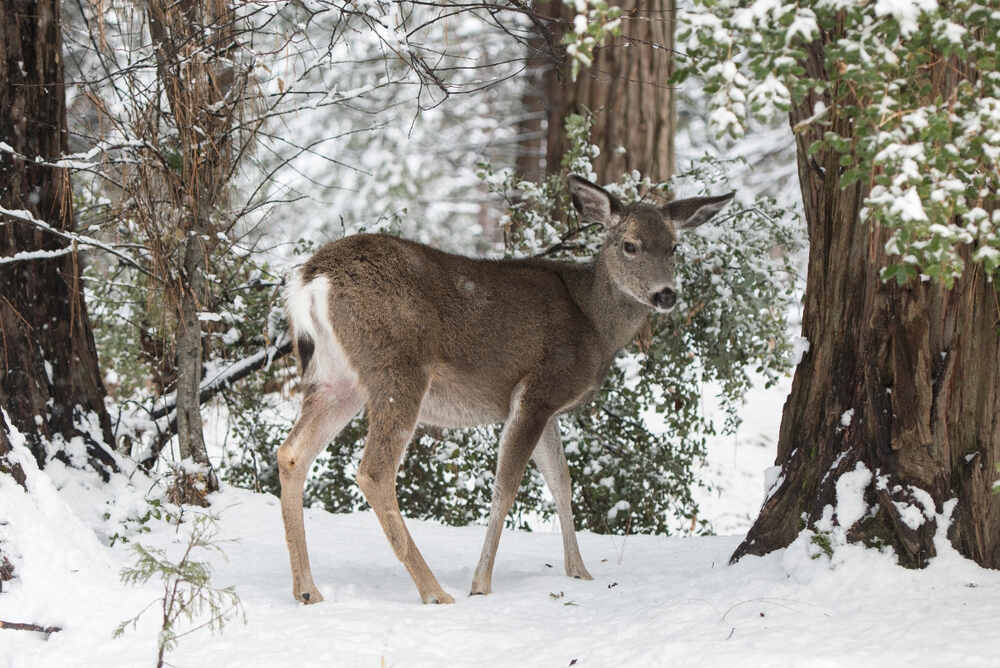
Common Winter Wildlife Sightings
Surprisingly, you can spot various wildlife in Yosemite’s winter landscape despite the colder temperatures. Look for:
Mule Deer: Often seen grazing in meadows and open areas.
Coyotes: Frequently spotted along roadways and open fields.
Ravens and Steller’s Jays: Common birds active throughout the park.
Bobcats and Mountain Lions: Although more elusive, tracks in the snow may indicate their presence.
Best Locations for Spotting Wildlife
Some prime locations for winter wildlife watching in Yosemite include:
Yosemite Valley: Open meadows and forest edges are great spots to see deer and coyotes.
Wawona Meadow: This area is known for mule deer sightings and various bird species.
Mariposa Grove of Giant Sequoias: The quieter winter season increases your chances of spotting wildlife among the giant trees.
Tips for Ethical Wildlife Observation
To observe wildlife responsibly, follow these tips:
Keep Your Distance: Maintain a safe distance from all animals to avoid disturbing them. Use binoculars or a zoom lens for a closer view.
Stay Quiet and Move Slowly: Minimize noise and sudden movements to avoid startling wildlife.
Do Not Feed the Animals: Feeding wildlife is harmful to their health and can alter their natural behavior.
Respect Their Habitat: Stay on designated trails and roads to protect wildlife habitats.
Be Patient: Wildlife sightings can take time, so be patient and enjoy the experience of being in nature.
Final Thoughts
To wrap things up, winter in Yosemite offers a unique and tranquil time in the park, with activities such as snowshoeing, cross-country skiing, downhill skiing, ice skating, scenic drives, photography, and winter hiking. Wildlife watching adds another dimension to your visit, providing opportunities to see mule deer, coyotes, and various bird species.
Exploring Yosemite in the winter allows you to view the park in a different light, away from the summer crowds. The peaceful, snow-covered landscapes and the range of activities available easily make it a worthwhile destination for you to visit.
Before you go, remember to check the weather and trail conditions, bring appropriate gear and clothing, and be mindful of safety precautions. Whether you’re hiking, skiing, or simply enjoying the scenic views, preparation is key to a safe and enjoyable time.
Comment below and let us know about a trip you’ve taken to this remarkable park. Or, any questions you might have. We would love to hear from you!
National Parks List, Map, and Complete Guide (All 63 Parks + Downloadable List & Map)
Want a FREE complete list and recap of all our US National Parks as well as downloadable maps and other great resources? Check out our US National Parks List and Map guide!

National Parks Scratch Off Map of United States
Best Travel Gifts to Track Your Travels and Adventures! Check out the top-selling National Parks scratch off map of the United States!

FAQ’S
What is the snowiest month in Yosemite?
The snowiest month in Yosemite is typically January.
How hard is the drive to Yosemite in the winter?
Driving to Yosemite in the winter can be challenging due to snow and ice on the roads; tire chains may be required, and it’s important to check road conditions before your trip.
Is Yosemite crowded in winter?
Not at all. Yosemite is not crowded in winter, making it a peaceful time to visit.
Is it too cold to visit Yosemite in December?
While December can be cold, with proper clothing and preparation, it is still a great time to visit Yosemite and enjoy winter activities.
What parts of Yosemite are closed in winter?
Glacier Point Road and Tioga Road are typically closed in winter due to heavy snowfall.
What is the best month to go to Yosemite?
May and September are often considered the best months to visit Yosemite, as the weather is mild, and the park is less crowded compared to peak summer months.
