
Yellowstone National Park is a vast and stunning natural area known for its geothermal features, diverse wildlife, and breathtaking landscapes. Timing your visit to this iconic park is crucial for maximizing your experience here. Throughout this article, I’ll analyze why spring is one of the best times of year to visit this iconic region of the American West.
Spring offers a unique combination of fewer crowds, abundant wildlife sightings, and spectacular scenery. The weather is mild, and the park comes to life with blooming flowers and active animals.
But what makes spring truly special, and what should you expect during a spring visit? Keep reading to learn the benefits and practical tips for enjoying Yellowstone in the spring.
Weather and Climate

First off, when visiting Yellowstone in spring, you can expect average daytime temperatures ranging from the 30s to the 60s Fahrenheit, depending on the month. Nights are still quite cold, often dipping below freezing. Snow is common in early spring, gradually giving way to rain showers and milder days as the season progresses.
The pros of spring weather include milder temperatures and the gradual warming that makes outdoor activities more pleasant. You’ll also see fewer crowds compared to the peak summer season. On the downside, unpredictable weather patterns mean you should be prepared for sudden changes, including snow or rain.
Compared to other seasons, spring creates a distinct blend of conditions. Summer brings warmer temperatures and larger crowds, fall provides cooler weather and vibrant foliage, but fewer animal sightings, and winter is cold with limited accessibility. Spring strikes a balance with moderate temperatures, fewer tourists, and the chance to see wildlife emerging after winter.
Spotting Wildlife

Unsurprisingly, you can expect to see a variety of species in Yellowstone during spring. Bears, both grizzly and black, start coming out from hibernation. Bison and elk are commonly seen, often with their newborn calves. Wolves are also active; you may spot them hunting or moving with their packs.
Spring is an excellent time to witness baby animals. You will likely see bison calves, elk calves, and bear cubs. Many birds return to the park, making it an excellent time for birdwatching as well. Migration patterns bring a variety of species back to Yellowstone, making it a birdwatcher’s paradise.
Remember, for the best chance of spotting wildlife, focus on early mornings and late afternoons when animals are most active. Lamar Valley, Hayden Valley, and the areas around Yellowstone Lake are prime locations for viewing a range of species. Use binoculars and stay a safe distance from all wildlife to ensure your safety and the animal’s well-being.
Scenery and Natural Phenomena
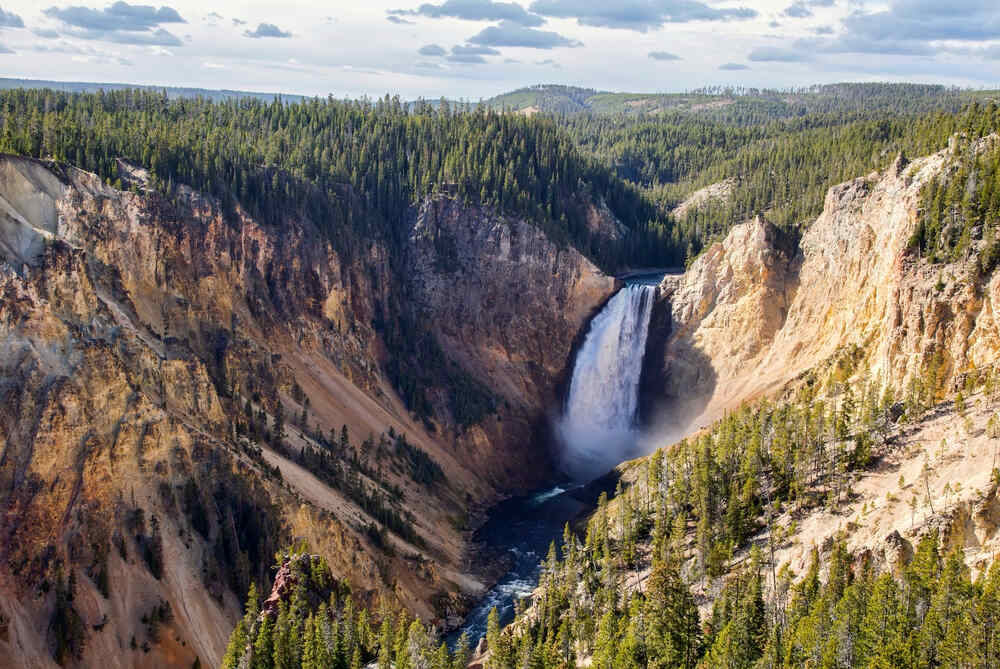
Interestingly, Yellowstone’s landscape transforms in spring with blooming flowers and lush green meadows. Wildflowers such as lupines, yellowbells, and spring beauties add vibrant colors to the scenery. The meadows and forests start to come alive after the winter, creating a fresh and rejuvenating atmosphere.
Waterfalls and rivers are at their peak flow in spring due to melting snow. Yellowstone’s waterfalls, including the famous Lower Falls in the Grand Canyon of the Yellowstone, roar with full force. Rivers like the Yellowstone River are also at their most impressive, providing stunning views and great photo opportunities.
Additionally, Yellowstone’s geothermal features, such as geysers and hot springs, remain active and captivating in spring. The cooler temperatures and fewer crowds allow you to enjoy spots like Old Faithful, the Grand Prismatic Spring, and Norris Geyser Basin without the summer rush. The contrast of steam rising from these features against the crisp spring air adds to their allure.
Activities and Attractions

Furthermore, many hiking trails in Yellowstone begin to open up as the snow melts. However, some higher-elevation trails may still be inaccessible. Lower-elevation trails, such as those around Mammoth Hot Springs and the Yellowstone Lake area, are usually in better condition. Always check trail conditions and be prepared for muddy and potentially snowy paths.
Fishing season in Yellowstone typically begins in late May, providing chances to catch species like cutthroat trout. Boating is allowed on Yellowstone Lake starting in June, offering a serene way to explore the park’s largest body of water. Other outdoor activities like wildlife photography, birdwatching, and picnicking are also popular during this time.
Ranger-led programs resume in spring, with educational opportunities such as guided walks, wildlife talks, and evening programs. These programs are great for learning about Yellowstone’s natural and cultural history. Check the park’s schedule for specific dates and times to make full use of these programs.
Visitor Experience
Thankfully, you’ll find that crowd levels in Yellowstone are significantly lower compared to the busy summer months. This means you can enjoy a more peaceful visit with shorter wait times at popular attractions and less congestion on roads and trails. Ease of entry into the park improves as roads and facilities reopen, although some higher-elevation areas may still be snow-covered.
Accommodation availability is generally better in spring, giving you more options for lodging within and near the park. You can choose from hotels, cabins, and campgrounds, many of which start opening in April and May. It’s advisable to book early to secure your preferred choice, especially if you plan to visit during peak spring weekends.
Park services and facilities gradually become fully operational in spring. Visitor centers, restrooms, and dining options begin to open, providing essential services to improve your visit. Always check the latest updates on the park’s website to ensure you know which services are available during your visit.
Tips for Visiting in Spring
Moreover, when visiting Yellowstone in spring, bringing the right gear and clothing is essential. Pack layers, including a warm jacket, as temperatures can vary significantly. Waterproof boots are recommended for muddy and wet conditions. Don’t forget rain gear, a hat, gloves, and sunglasses for protection against the elements.
Safety is crucial when dealing with unpredictable spring weather and wildlife encounters. Stay updated on weather forecasts and be prepared for sudden changes. Keep a safe distance from all wildlife, using binoculars or a zoom lens for viewing. Always carry bear spray and know how to use it, as bears are particularly active in spring.
Planning and booking strategies for a spring trip include making reservations for accommodations and activities well in advance. Check the park’s official website for opening dates of roads, trails, and facilities. Plan your visit during weekdays to avoid weekend crowds, and have a flexible itinerary to accommodate any changes in weather or accessibility.
Final Thoughts
In the end, visiting Yellowstone in spring offers numerous benefits, including milder weather, fewer crowds, and exceptional opportunities to view wildlife. The park’s scenery is vibrant, with blooming flowers and flowing waterfalls, and many activities and attractions become reachable as the snow melts.
Ultimately, spring is an ideal time to experience Yellowstone’s beauty and tranquility. Remember to pack appropriately, stay informed about weather conditions, and plan your trip in advance to make the most of your visit. Now’s the time to enjoy the unique charm and natural wonders this iconic national park showcases in spring!
Comment below and let us know about a trip you’ve taken to this remarkable park. Or, any questions you might have. We would love to hear from you!
National Parks List, Map, and Complete Guide (All 63 Parks + Downloadable List & Map)
Want a FREE complete list and recap of all our US National Parks as well as downloadable maps and other great resources? Check out our US National Parks List and Map guide!

National Parks Scratch Off Map of United States
Best Travel Gifts to Track Your Travels and Adventures! Check out the top-selling National Parks scratch off map of the United States!

FAQ’S
Is it too cold to visit Yellowstone in April?
April can be quite cold in Yellowstone, with temperatures often below freezing at night. However, it is still possible to visit with proper preparation and clothing.
Is Yellowstone worth it in March?
Visiting Yellowstone in March provides awesome bonuses, such as fewer crowds and the chance to see wildlife in snowy landscapes, though accessibility is limited due to snow-covered roads and trails.
Can I visit Yellowstone in May?
Yes, visiting Yellowstone in May is a great option as more roads and facilities open up, and wildlife activity increases with the warmer weather.
Is April too early for Yellowstone?
April can be early for some areas of Yellowstone due to lingering snow and limited accessibility. Still, it provides a quieter experience with emerging wildlife and early spring scenery.
What month is the cheapest to go to Yellowstone?
The cheapest months to visit Yellowstone are typically April, May, and October. During these months, accommodations and flights are often less expensive, and there are fewer tourists.
Is Yellowstone better in spring or fall?
Both offer unique advantages; spring has blooming flowers and baby animals, while fall features vibrant foliage and cooler weather, so the choice depends on your preferences.
