
Located just an hour and a half northwest of downtown Denver, Colorado, Rocky Mountain National Park boasts breathtaking landscapes, diverse wildlife, and numerous outdoor activities. So, let’s discuss the best months to visit this extraordinary park.
To experience the park at its best, plan your visit during June, September, or October. These months offer ideal weather, vibrant wildlife activity, and manageable crowds.
Want to know what makes these months stand out? Read on as I explain why June, September, and October are the perfect times to explore Rocky Mountain National Park, including the best activities, weather conditions, and tips for making the most of your visit.
1. June: The Start of Summer

Weather and Climate
- Average temperatures range from 40°F at night to 70°F during the day.
- Expect mostly sunny days with occasional afternoon thunderstorms. Snow is still possible at higher elevations.
Wildlife Activity
- Look for elk, deer, and moose, which are highly active during this time.
- Good spots for spotting wildlife include Moraine Park, Horseshoe Park, and the Kawuneeche Valley.
Activities and Events
- Popular trails and hikes: Try the Emerald Lake Trail, Alberta Falls, and the Bear Lake Loop.
- Ranger-led programs and events: Join educational talks, guided hikes, and evening campfire programs.
- Water activities: Enjoy fishing, kayaking, and paddleboarding on lakes such as Sprague Lake and Bear Lake.
Crowds and Accessibility
- Visitor numbers start to increase, especially on weekends and near popular trailheads.
- Most trails and roads are open and accessible, including Trail Ridge Road, which typically opens in late May.
Pros and Cons
Advantages of visiting in June:
- Pleasant weather with moderate temperatures.
- Active wildlife and blooming wildflowers.
- Full accessibility to most areas of the park.
Potential downsides:
- Increasing crowds as the month progresses.
- Afternoon thunderstorms can disrupt outdoor plans.
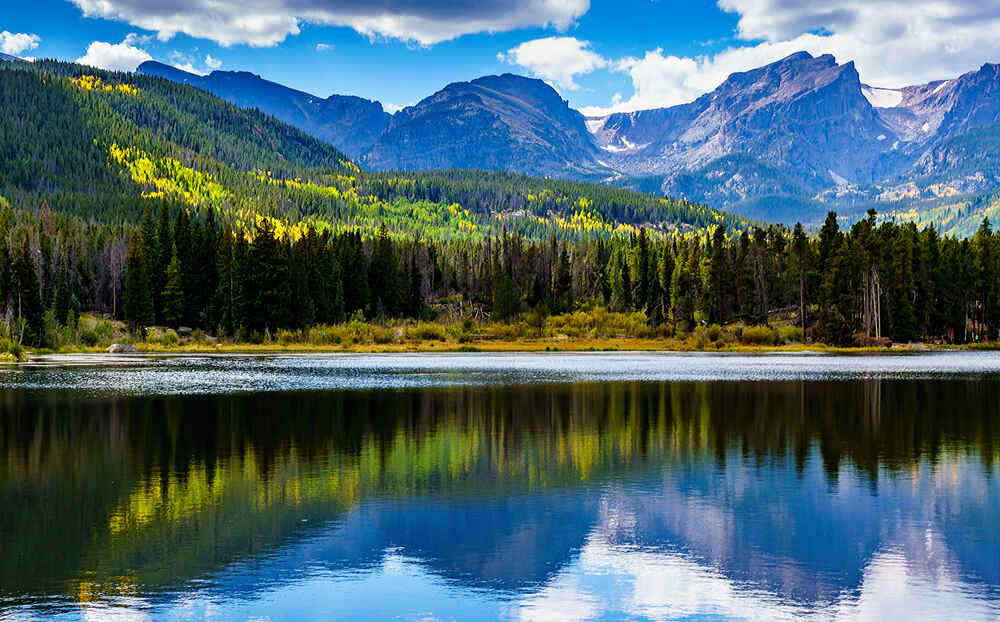
2. September: Fall Colors and Crisp Air
Weather and Climate
- Average temperatures range from 35°F at night to 65°F during the day.
- Expect clear skies with crisp, cool air. Snow can start to appear at higher elevations.
Wildlife Activity
- Key species to observe: Elk during their rutting season, as well as deer and moose.
- Best spots for spotting wildlife: Moraine Park, Horseshoe Park, and Upper Beaver Meadows.
Activities and Events
- Popular trails and hikes: Hike the Bear Lake Loop, Fern Lake Trail, and Sky Pond Trail.
- Ranger-led programs and events: Participate in fall-themed educational talks and guided hikes.
- Scenic drives: Enjoy the breathtaking fall colors along Trail Ridge Road and the Peak to Peak Scenic Byway.
Crowds and Accessibility
- Visitor numbers are moderate, with fewer crowds compared to the summer months.
- Trails and roads are generally accessible, though some higher-elevation areas may start to see snow.
Pros and Cons
Advantages of visiting in September:
- Stunning fall foliage with vibrant colors.
- Cooler, more comfortable hiking conditions.
- Less crowded than in peak summer months.
Potential downsides:
- Shorter daylight hours.
- Possible early snowfall at higher elevations.
3. October: Quiet Beauty and Solitude

Weather and Climate
- Average temperatures range from 30°F at night to 55°F during the day.
- Expect crisp, cool air with increasing chances of snow, especially at higher elevations.
Wildlife Activity
- Key species to observe: Elk, deer, and bighorn sheep as they prepare for winter.
- Best spots for spotting wildlife: Moraine Park, Horseshoe Park, and the Kawuneeche Valley.
Activities and Events
- Popular trails and hikes: Try the Cub Lake Trail, Deer Mountain Trail, and Chasm Lake Trail.
- Ranger-led programs and events: Participate in fall-themed educational talks and guided hikes.
- Fall photography opportunities: Capture the stunning autumn colors and landscapes, especially around Bear Lake and Sprague Lake.
Crowds and Accessibility
- Visitor numbers are low, offering a more peaceful experience.
- Some trails and roads may be closed due to early snow, particularly at higher elevations like Trail Ridge Road.
Pros and Cons
Advantages of visiting in October:
- Fewer crowds and more tranquility.
- Beautiful fall foliage and excellent photography opportunities.
- Cooler weather ideal for hiking.
Potential downsides:
- Shorter daylight hours and cooler temperatures.
- Possible road and trail closures due to snow.
Honorable Mentions: July and August
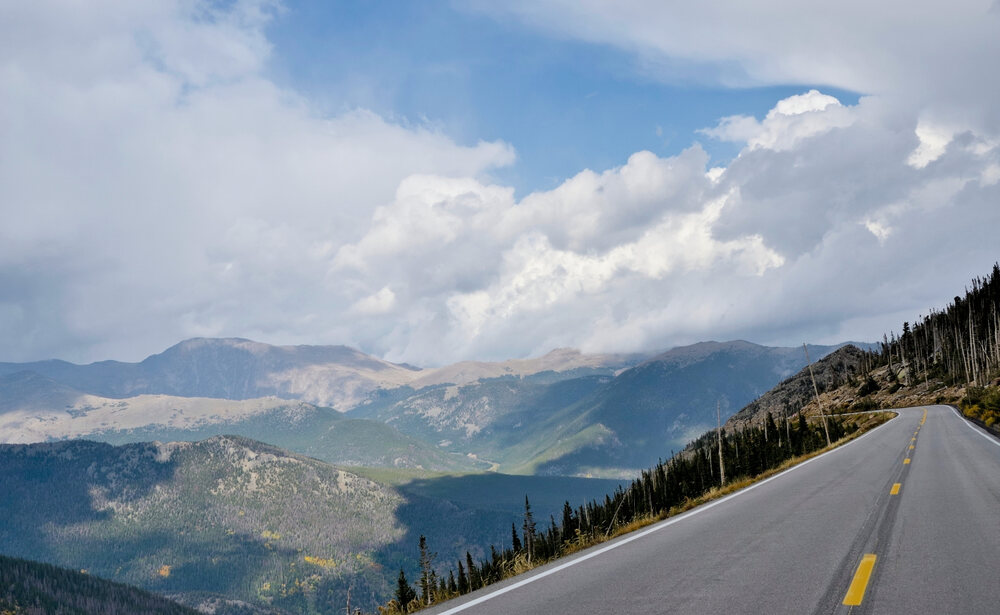
While June, September, and October are the top months to visit Rocky Mountain National Park, July and August are also excellent times to explore the park. Here are some reasons why these months are runner-ups for a good time to visit:
Weather and Climate
July:
- Average temperatures range from 45°F at night to 75°F during the day.
- Consistently sunny weather with occasional afternoon thunderstorms, providing ideal conditions for outdoor activities.
August
- Average temperatures remain similar to July, with slightly cooler nights.
- Continued sunny days with fewer thunderstorms as the month progresses.
Wildlife Activity
- Key species to observe: Elk, deer, moose, and various bird species.
- Best spots for spotting wildlife: Moraine Park, Horseshoe Park, and the Alpine Visitor Center.
Activities and Events
- Popular trails and hikes: Access to all major trails, including Longs Peak, Dream Lake, and the Alpine Ridge Trail.
- Ranger-led programs and events: A full schedule of educational talks, guided hikes, and family-friendly activities.
- Water activities: Enjoy fishing, kayaking, and paddleboarding on the park’s numerous lakes.
Crowds and Accessibility
- Both July and August are peak tourist seasons, resulting in high visitor numbers and crowded popular areas.
- All trails and roads, including Trail Ridge Road, are fully accessible.
Pros and Cons
Advantages of visiting in July and August:
- Consistently warm and sunny weather.
- Full range of activities and events available.
- Complete accessibility to trails and roads.
Potential downsides:
- High visitor numbers lead to crowded trails and viewpoints.
- Possible difficulty in finding parking and accommodations.
- Afternoon thunderstorms can disrupt outdoor plans, especially in July.
Final Thoughts
So, to wrap things up, June, September, and October stand out as the best months to visit Rocky Mountain National Park. June brings mild weather and vibrant wildlife activity, making it ideal for outdoor adventures. September brings stunning fall foliage and cooler temperatures, perfect for hiking and scenic drives. October provides a tranquil escape with fewer crowds and beautiful autumn landscapes. July and August, while crowded, also offer excellent weather and a wide range of activities, making them strong runner-ups.
Final Tips for Planning a Trip:
- Book accommodations early, especially for June, July, August, and September.
- Check the park’s website for up-to-date trail and road conditions.
- Pack layers to accommodate varying temperatures and weather conditions.
- Plan your activities based on the month you visit to make the most of seasonal highlights.
Whether you’re an avid hiker, a wildlife enthusiast, or someone seeking peaceful solitude, there’s something special waiting for you in Rocky Mountain National Park. Start planning your trip today and discover the magic of this iconic national park of the American West!
I WOULD LOVE TO HEAR FROM YOU! Scroll to the bottom to leave a comment about a trip you’ve taken to this remarkable park or any questions you might have.
National Parks List, Map, and Complete Guide (All 63 Parks + Downloadable List & Map)
Want a FREE complete list and recap of all our US National Parks as well as downloadable maps and other great resources? Check out our US National Parks List and Map guide!

National Parks Scratch Off Map of United States
Best Travel Gifts to Track Your Travels and Adventures! Check out the top-selling National Parks scratch off map of the United States!

FAQS
How many days do you need in Rocky Mountain National Park?
You need at least three to five days to fully explore the park’s main attractions, including its diverse trails, scenic drives, and areas to spot wildlife.
How do you avoid crowds at Rocky Mountain National Park?
To avoid crowds, visit during weekdays, early mornings, or late afternoons, and consider exploring less popular trails and areas.
What is the best month to visit Estes Park?
September is the best month to visit Estes Park because of its pleasant weather, beautiful fall colors, and fewer crowds than summer.
What is the hottest month in the Rocky Mountains?
July is the hottest month in the Rocky Mountains, with average daytime temperatures reaching up to 75°F.
What is the coldest month in the Rocky Mountains?
January is the coldest month in the Rocky Mountains, with temperatures often dropping well below freezing, especially at higher elevations.
What time of year does Rocky Mountain National Park close?
Rocky Mountain National Park is open year-round. However, certain roads and facilities may close in winter due to snow and adverse weather conditions.
How crowded is Rocky Mountain National Park in September?
Rocky Mountain National Park is moderately crowded in September, with fewer visitors than the peak summer months, making it a great time for a more peaceful visit.
