
Situated on Mount Desert Island in Maine, Acadia National Park is known for its stunning landscapes, diverse wildlife, and over 47,000 acres of pristine natural beauty. The park features a mix of rocky coastlines, dense forests, and serene lakes, making it a haven for lovers of the outdoors and wildlife.
Beavers play a crucial role in Acadia’s ecosystem. By building dams and creating ponds, they enhance habitats for various species, promote plant growth, and help maintain water quality. Their activities contribute significantly to the park’s biodiversity and ecological health.
The best places to see beavers in Acadia National Park are Jordan Pond, Witch Hole Pond, Bubble Pond, and Long Pond. These areas have frequent beaver activity, providing you with excellent opportunities to observe these industrious animals. Want to know when and how to spot them? Read on as I explain the best times, tips, and specific spots for beaver watching in Acadia!
Understanding Beaver Habits

Beaver Behavior and Activity Patterns: Beavers are most active during dawn and dusk, making these the best times of day for observation. They are busy building and maintaining their lodges and dams, especially in the evening.
Best Times of Day and Seasons to See Beavers: Spring and fall are ideal seasons to see beavers as they are preparing for winter and are more active. Early morning and late afternoon provide the best opportunities for sightings.
Signs of Beaver Presence: Look for lodges (mounds of sticks and mud), dams blocking streams, and trees with gnawed bark. These indicators help you locate areas where beavers are likely to be active, increasing your chances of a successful sighting.
Top Locations to See Beavers in Acadia
Jordan Pond
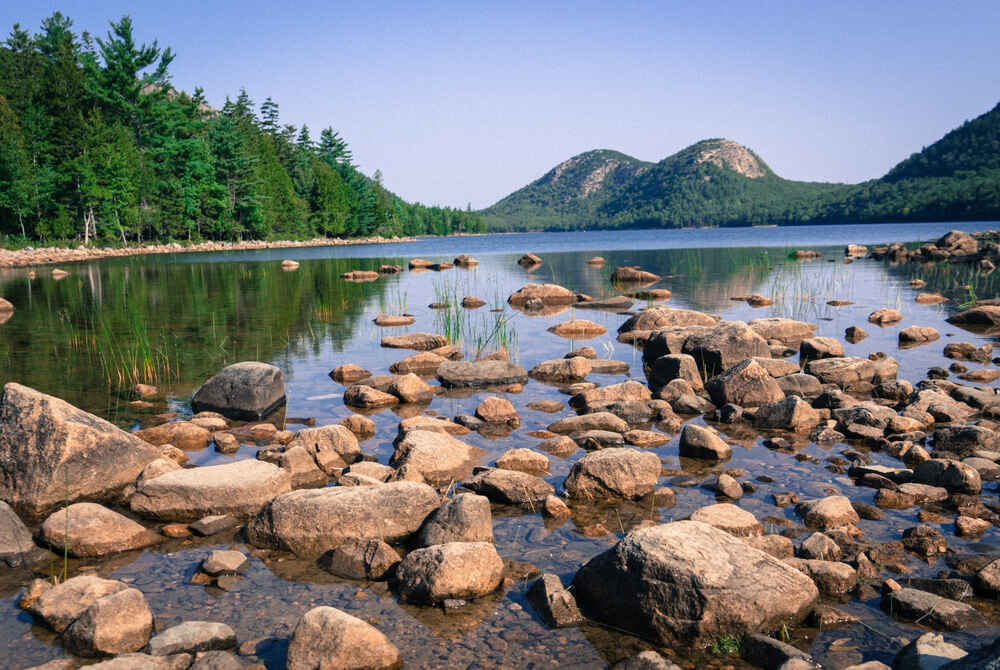
Description of the Area: Jordan Pond is a tranquil spot with clear waters surrounded by hiking trails. On its northern end, it offers views of the Bubbles, two rounded hills.
Specific Spots Around the Pond: The south end of Jordan Pond is prime for spotting beavers. Look for lodges along the shoreline and areas with visible tree gnawing.
Recent Sightings and Activity Reports: Beavers are frequently observed near the Jordan Pond House, especially during early mornings and late afternoons.
Witch Hole Pond

Habitat Description: Witch Hole Pond, located along the Witch Hole Pond Loop, features wetlands and dense vegetation, providing the perfect habitat for beavers.
Popular Beaver-Watching Areas: Focus on the western side of the pond, where lodges and dams are common. The trail showcases several vantage points for observing activity.
Accessibility and Viewing Tips: The Witch Hole Pond Loop is accessible from the Hulls Cove Visitor Center. It’s an easy trail, suitable for all ages. Bring binoculars for a better view of beaver activity.
Bubble Pond
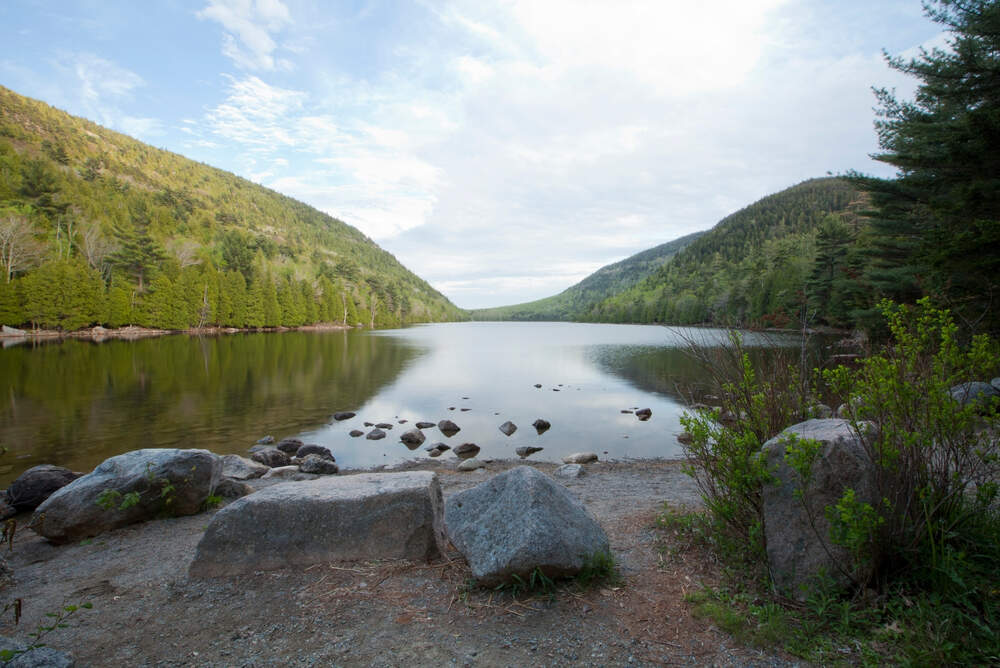
Overview of the Pond and Surroundings: Bubble Pond is a small pond located between the Cadillac and Pemetic Mountains. It is known for its calm waters and reflective views.
Beaver Activity Hotspots: The northern shore of Bubble Pond is a good area to look for beavers. You might see lodges and dams, as well as freshly gnawed trees.
Best Viewing Times: The best times to observe beavers at Bubble Pond are late afternoon and early evening.
Long Pond
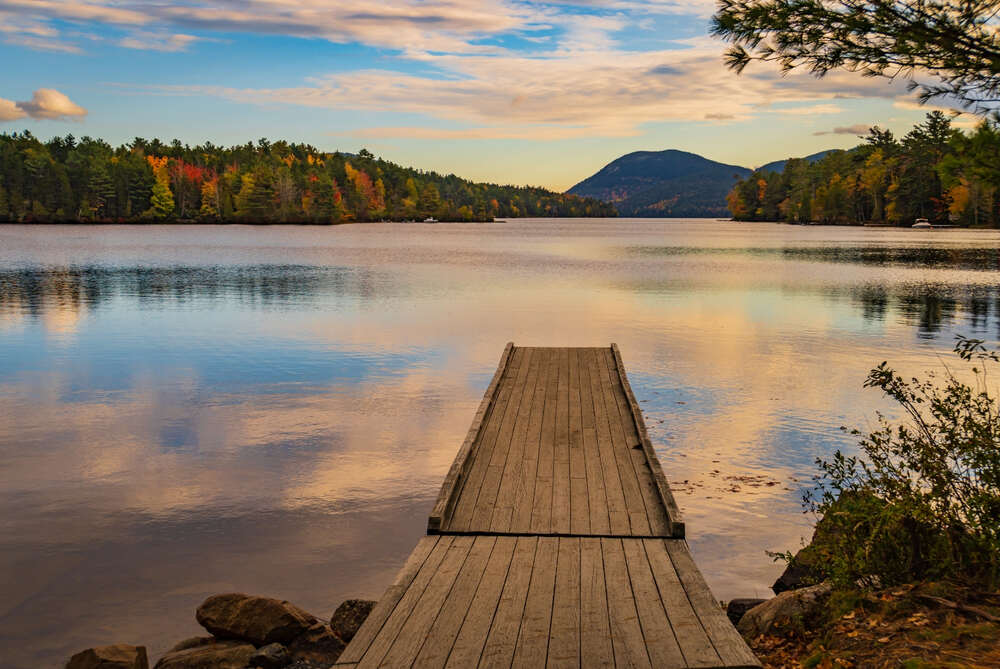
Detailed Description of Long Pond: Long Pond is the largest lake in Acadia, providing a mix of open water, wetlands, and forested areas.
Lodges and Dams: Look for lodges along the western shore and dams at the northern end. These structures are often visible from the Long Pond Trail.
Recommendations for Observation Points: The best spots for observing beavers are near the boat launch area and along the western shoreline.
Guided Tours and Ranger Programs
Overview of Available Guided Tours Focused on Beaver Watching: Acadia offers guided tours for wildlife watching, including beavers. These tours are led by knowledgeable guides who provide insights into beaver behavior and habitats.
Schedule and Booking Information: Guided tours are available from spring to fall. Book these tours through the park’s visitor centers or the official website. It’s recommended to book in advance.
Ranger-Led Educational Programs About Beavers: Ranger-led programs include presentations, guided walks, and opportunities to ask questions. Check the park’s event calendar for the latest schedule and details.
Photography Tips
Best Practices for Photographing Beavers: Use a telephoto lens to capture beavers from a distance without disturbing them. Stay quiet and move slowly to avoid startling them.
Recommended Gear and Settings: A DSLR or mirrorless camera with a telephoto lens (200mm or longer) is ideal. Use a tripod for stability, set a high ISO for low light, and use a fast shutter speed to freeze movement.
Ethical Wildlife Photography Guidelines: Maintain a safe distance, avoid using flash, and never interfere with the animals or their habitat. Always prioritize the well-being of the wildlife over getting the perfect shot.
Safety and Etiquette
Importance of Maintaining a Safe Distance from Wildlife: Always keep a safe distance from beavers to avoid stressing or disturbing them. Use binoculars or a telephoto lens for close-up views.
How to Observe Beavers Without Disturbing Them: Stay quiet, move slowly, and avoid sudden movements. Observe from a distance and do not attempt to approach or feed the beavers.
Leave No Trace Principles: Pack out all trash, stay on designated trails, and do not disturb plants or wildlife. Leave the area as you found it to protect the natural habitat.
Final Thoughts
To wrap things up, the top spots to observe beavers in Acadia National Park are Jordan Pond, Witch Hole Pond, Bubble Pond, and Long Pond. These locations have frequent beaver activity, especially during dawn or dusk in spring and fall. Look for lodges, dams, and gnawed trees as signs of beaver presence.
Enjoy the experience of watching beavers in their natural habitat, appreciating their role in the ecosystem. Always remember to respect their space and well-being. Maintaining a safe distance ensures that you do not disturb their natural behaviors and contribute to their conservation.
To gain even more knowledge, visit the Acadia National Park website and visitor centers for more information on beavers, guided tours, and educational programs. Books, online resources, and ranger-led programs offer valuable insights into beaver behavior and their ecological importance. In the end, Acadia is one of the best national parks in the country to see our furry, big-tailed friends, so plan your trip today!
National Parks List, Map, and Complete Guide (All 63 Parks + Downloadable List & Map)
Want a FREE complete list and recap of all our US National Parks as well as downloadable maps and other great resources? Check out our US National Parks List and Map guide!

National Parks Scratch Off Map of United States
Best Travel Gifts to Track Your Travels and Adventures! Check out the top-selling National Parks scratch off map of the United States!

FAQ’S
What time is best to see beavers?
The best time to see beavers is during dawn and dusk when they are most active.
What months are beavers most active?
Beavers are most active in spring and fall, particularly when preparing for winter and maintaining their lodges.
Where are beavers during the day?
During the day, beavers are usually in their lodges resting or sleeping.
What is the best time of day to see a beaver?
The best times of day to see a beaver are early morning and late afternoon.
Is it rare to see a beaver?
It is not rare to see a beaver if you know where and when to look, especially in areas with active beaver populations.
