
Colorado’s Rocky Mountain National Park spans over 415 square miles and boasts stunning landscapes, diverse wildlife, and numerous outdoor activities. The park is a haven for those who love nature and provides a unique opportunity to experience the beauty of the Rocky Mountains.
Moose play a vital role in Rocky Mountain National Park’s ecosystem. As large herbivores, they help maintain the balance of vegetation and provide food for predators. Their presence also indicates a healthy and thriving environment.
To see moose in Rocky Mountain National Park, visit Kawuneeche Valley, Colorado River Trailhead, or Timber Creek Campground. These areas offer the best chances of spotting them, especially during early mornings and late afternoons.
You might also be wondering about the best times of the year and safety tips for watching these majestic animals – read on as I dive into those topics and more in this detailed guide!
- Best Locations to Spot Moose
- Optimal Times for Watching Moose
- Tips for Successfully Spotting Moose
- Photography Tips
- Other Wildlife in Rocky Mountain National Park
- Final Thoughts
- National Parks List, Map, and Complete Guide (All 63 Parks + Downloadable List & Map)
- National Parks Scratch Off Map of United States
- FAQ’S
Best Locations to Spot Moose
Kawuneeche Valley
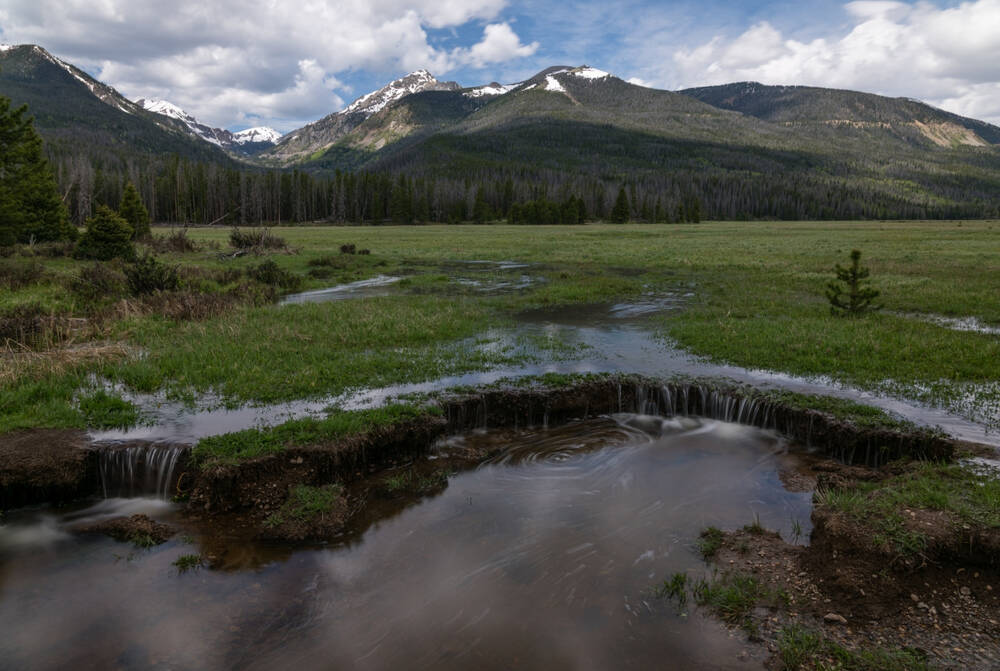
Description of the Area: Kawuneeche Valley is on the west side of Rocky Mountain National Park. It features lush meadows, dense forests, and the winding Colorado River, making it an ideal habitat for moose.
Best Times to Visit: Early mornings and late afternoons are the best times to visit Kawuneeche Valley for moose sightings. During these times, moose are most active and easier to spot.
Tips for Spotting Moose:
- Stay quiet and move slowly to avoid startling the moose.
- Use binoculars to scan the meadows and forest edges for any movement.
- Look for signs of moose activity, such as tracks and droppings, to increase your chances of a sighting.
Colorado River Trailhead
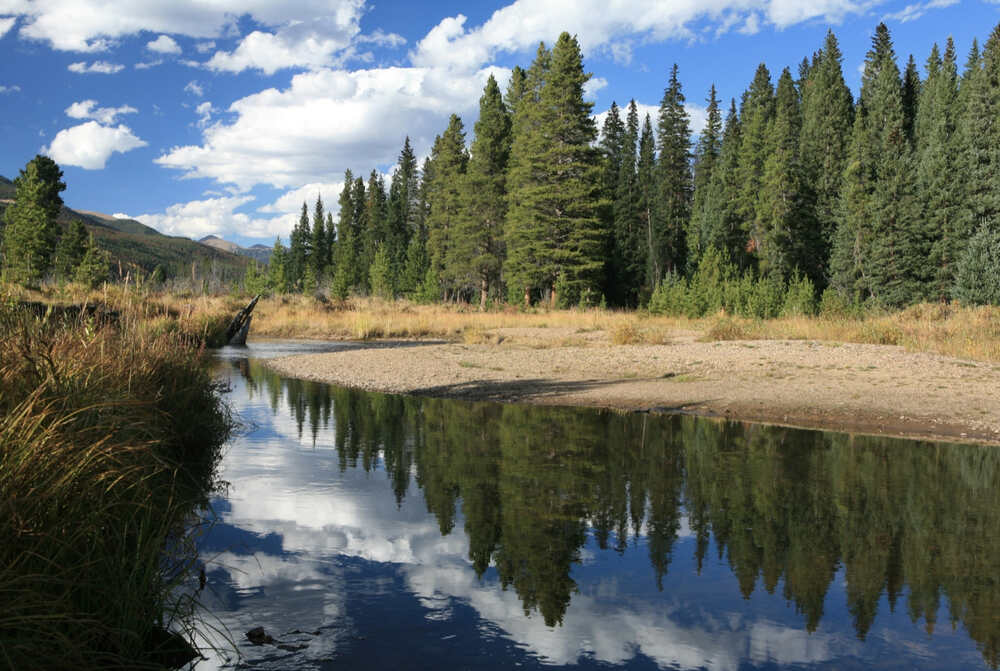
Description of the Trail: The Colorado River Trailhead showcases a scenic hike along the Colorado River. The trail passes through areas with abundant vegetation, providing excellent moose habitat.
Optimal Viewing Times: Early morning and late afternoon are the best times to hike the Colorado River Trail for moose sightings. These times coincide with their feeding and movement periods.
Specific Spots Along the Trail to Look for Moose:
- Focus on areas where the trail runs close to the river. Moose are often seen near water sources.
- Look for moose in the meadows and forested sections of the trail where they might be grazing or resting.
Timber Creek Campground

Overview of the Campground: Timber Creek Campground is located on the west side of the park. It’s a convenient base for exploring moose habitats and is surrounded by forests and meadows.
Moose Sightings Around the Campground: Moose are frequently spotted near Timber Creek Campground, especially in the early mornings and evenings. You can often see them grazing in the meadows nearby.
Best Practices for Watching Safely:
- Keep a safe distance from moose to avoid disturbing them.
- Never approach a moose, especially if it has calves. Moose can be unpredictable and dangerous if they feel threatened.
- Use binoculars or a telephoto lens for a closer view without getting too close.
Optimal Times for Watching Moose
Seasonal Considerations
Best Seasons to See Moose: The best seasons to see moose in Rocky Mountain National Park are late spring, summer, and early fall. During these times, moose are more active and easier to spot.
Impact of Weather on Moose Activity: Weather can significantly impact moose activity. Cooler temperatures often make moose more active during the day, while extreme heat can cause them to seek shade and become less visible. Rainy or overcast days may also increase your chances of spotting moose as they are more likely to be out and about.
Daily Patterns
Morning vs. Evening Sightings: Moose are most active in the early morning and late afternoon, so these are the best times to plan to spot them. If you’re interested, here are the 5 best national parks to spot them.
How Moose Behavior Changes Throughout the Day: In the morning, moose are often seen grazing and moving through open areas. As the day progresses and temperatures rise, they tend to rest in shaded, cooler spots. They become active again in the late afternoon and evening, feeding and moving around more frequently. Planning your visits around these times will increase your chances of seeing moose.
Tips for Successfully Spotting Moose

Safety Guidelines
Keeping a Safe Distance: Always maintain a distance of at least 50 yards from moose. This ensures your safety and reduces stress on the animal.
Recognizing Signs of Moose Aggression: Watch for warning signs of aggression, such as flattened ears, raised hackles (the hair on the back of its neck), or a lowered head. These behaviors indicate that the moose feels threatened and may charge.
What to Do if a Moose Approaches: If a moose approaches you, back away slowly and try to put a large object, like a tree, between you and the moose. Avoid sudden movements or loud noises that could startle the animal.
Photography Tips

Best Camera Settings: Use a fast shutter speed to capture movement and reduce blur. A setting of 1/500 second or faster is ideal. Adjust the ISO to maintain proper exposure in varying light conditions.
Recommended Gear: A telephoto lens (200mm or longer) is essential for capturing detailed shots from a safe distance. Binoculars can help you spot moose before setting up your camera.
Ethical Considerations for Wildlife Photography: Avoid disturbing the moose for a better shot. Do not use flash, as it can startle and stress the animal. Always prioritize their well-being over getting the perfect photo.
Other Wildlife in Rocky Mountain National Park
You’ll encounter a variety of wildlife in Rocky Mountain National Park. Common sightings include elk, mule deer, black bears, and bighorn sheep. For a better chance of seeing even more wildlife, combine spotting moose with visits to areas like Moraine Park and Horseshoe Park, where these animals are frequently seen.
Look for diverse wildlife in regions such as the Alluvial Fan and Trail Ridge Road. By exploring these areas, you can maximize your chances of spotting multiple species and enjoy seeing even more wildlife in the park.
Final Thoughts
Ultimately, to see moose in Rocky Mountain National Park, the best locations are Kawuneeche Valley, Colorado River Trailhead, and Timber Creek Campground. Visit these areas during early mornings and late afternoons for the best chances of spotting moose.
Always respect the wildlife by maintaining a safe distance and following park guidelines. Recognize signs of moose aggression to keep yourself and the animals safe. Adhering to these guidelines ensures a positive experience for everyone.
Use binoculars and a telephoto lens for safe viewing and photography. Avoid sudden movements and loud noises, and never approach a moose, especially if it has calves. If you’ve never spotted moose in the wild, Rocky Mountain National Park truly is the place to see these giants up close!
I WOULD LOVE TO HEAR FROM YOU! Scroll to the bottom to leave a comment about a trip you’ve taken to this remarkable park or any questions you might have. I would love to hear about any moose you saw and where you spotted them 🙂
National Parks List, Map, and Complete Guide (All 63 Parks + Downloadable List & Map)
Want a FREE complete list and recap of all our US National Parks as well as downloadable maps and other great resources? Check out our US National Parks List and Map guide!

National Parks Scratch Off Map of United States
Best Travel Gifts to Track Your Travels and Adventures! Check out the top-selling National Parks scratch off map of the United States!

FAQ’S
When can you see moose in Estes Park?
You can see moose in Estes Park in the early mornings and late afternoons, particularly in late spring, summer, and early fall. Occasionally, you will even see them walking down the street among tourists and slowing traffic.
Where is the easiest place to see a moose?
The easiest place to see a moose in Rocky Mountain National Park is Kawuneeche Valley.
What is the best time to see moose?
The best time to see moose is early morning and late afternoon.
Where is the moose most commonly found in RMNP?
Moose are most commonly found in Kawuneeche Valley, Colorado River Trailhead, and Timber Creek Campground within Rocky Mountain National Park.
What is the best way to spot a moose?
The best way to spot a moose is to stay quiet, move slowly, use binoculars, and look for signs of activity, such as tracks and droppings.
