
Olympic National Park, one of the most iconic national parks in the Pacific Northwest, is renowned for its diverse ecosystems, ranging from lush rainforests to rugged coastlines. This unique blend of environments supports a rich variety of wildlife, making the park a haven for nature lovers.
Marine wildlife plays a crucial role in the park’s ecosystem, contributing to its ecological balance and biodiversity. Olympic National Park’s coastal areas are home to a wide array of marine species, making them a prime location for observing sea life in its natural environment.
Sea lions are among the most sought-after marine animals in Olympic National Park. You can see sea lions primarily at Cape Flattery, Tatoosh Island, La Push, and Ozette. These spots offer the best chances to observe Steller and California sea lions in their natural habitat. Wondering when and how to visit these areas for the best visit? Read on as I dive into the details to ensure you don’t miss out!
Steller Sea Lions

Characteristics and Behaviors
Steller sea lions are the larger of the two species you’ll find in Olympic National Park. Males can weigh up to 2,500 pounds, and females are smaller, typically around 700 pounds. You’ll notice their pale, reddish-brown fur and large, bulky bodies. Steller sea lions are social animals, often seen in groups called rookeries. They are known for their loud, deep vocalizations, which you might hear before you even spot them.
Habitat Preferences in the Park
In Olympic National Park, Steller sea lions prefer rocky shorelines and coastal areas where they can haul out to rest and breed. You’ll most likely see them at locations like Cape Flattery and Tatoosh Island, where they gather on rocky outcrops near the water.
California Sea Lions

Distinctive Features
California sea lions are smaller and more agile than Steller sea lions. Males typically weigh up to 850 pounds, while females are about 200 pounds lighter. You can identify them by their darker brown fur and the distinctive “barking” sounds they make. California sea lions are known for their playful behavior, often seen swimming and diving near the shore.
Common Areas within the Park
In Olympic National Park, California sea lions are commonly found in areas like La Push and Ozette. They tend to prefer sandy or pebbly beaches where they can easily access the water. Keep an eye out for them in these spots, especially during their peak season, when they come ashore in larger numbers.
Best Locations to Spot Sea Lions in Olympic National Park
Cape Flattery
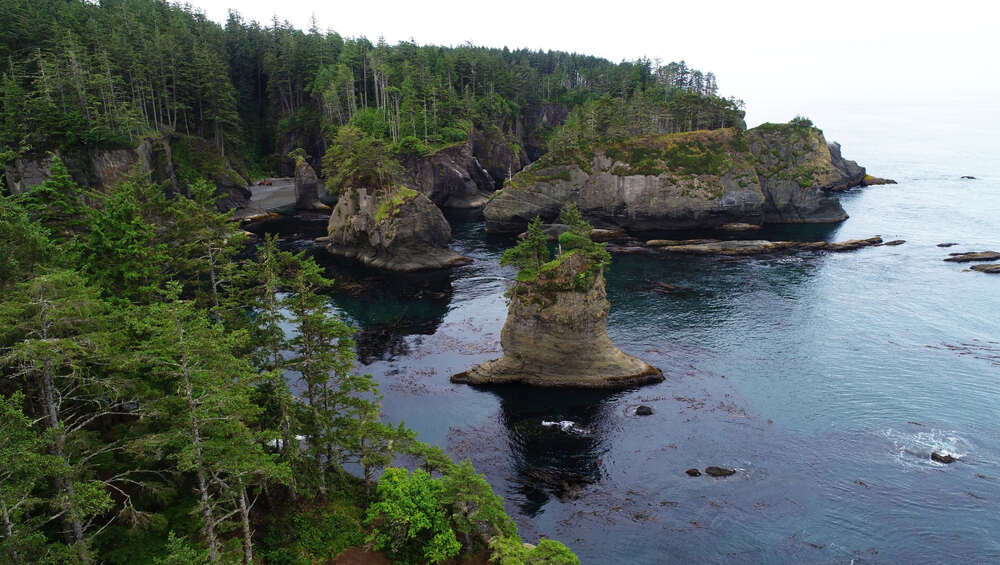
Description of the Area: Cape Flattery is the northwesternmost point of the contiguous United States, offering breathtaking coastal views. The area is known for its rugged cliffs, sea stacks, and turbulent waters, providing a dramatic backdrop for spotting wildlife.
Why It’s Ideal for Sea Lion Viewing: Cape Flattery is ideal for viewing sea lions because of its rocky outcrops, which serve as natural haul-out sites for these marine mammals. Steller sea lions are prevalent here; you may see them basking on the rocks or swimming in the surrounding waters.
Tips for the Best Viewing Times: To maximize your chances of seeing sea lions, visit Cape Flattery during the early morning or late afternoon. These times are generally quieter, and the sea lions are more likely to be active. Also, check tide schedules, as low tide often reveals more of the rocky areas where sea lions gather.
Tatoosh Island
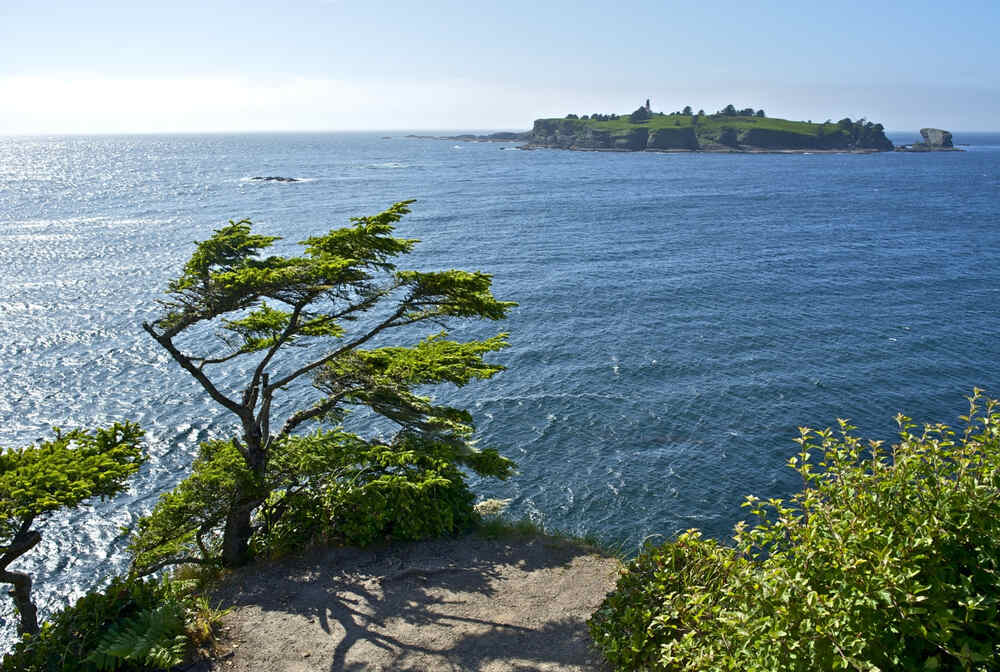
Overview of Its Proximity and Accessibility: Tatoosh Island is located just off the coast of Cape Flattery, within sight of the mainland. While the island is inaccessible to the public, you can view it from various points along the Cape Flattery Trail. The island is a popular spot for both Steller and California sea lions.
Seasonal Sea Lion Presence: Sea lions are present around Tatoosh Island year-round, but their numbers tend to increase during the breeding and pupping seasons. The spring and summer months are perfect for viewing larger groups.
Viewing Options and Guided Tours: For the best views of Tatoosh Island and its sea lions, hike the Cape Flattery Trail to the lookout points. While guided tours do not directly visit the island, local tour operators may offer boat trips that pass near it, providing closer views of the sea lions in their natural habitat.
La Push
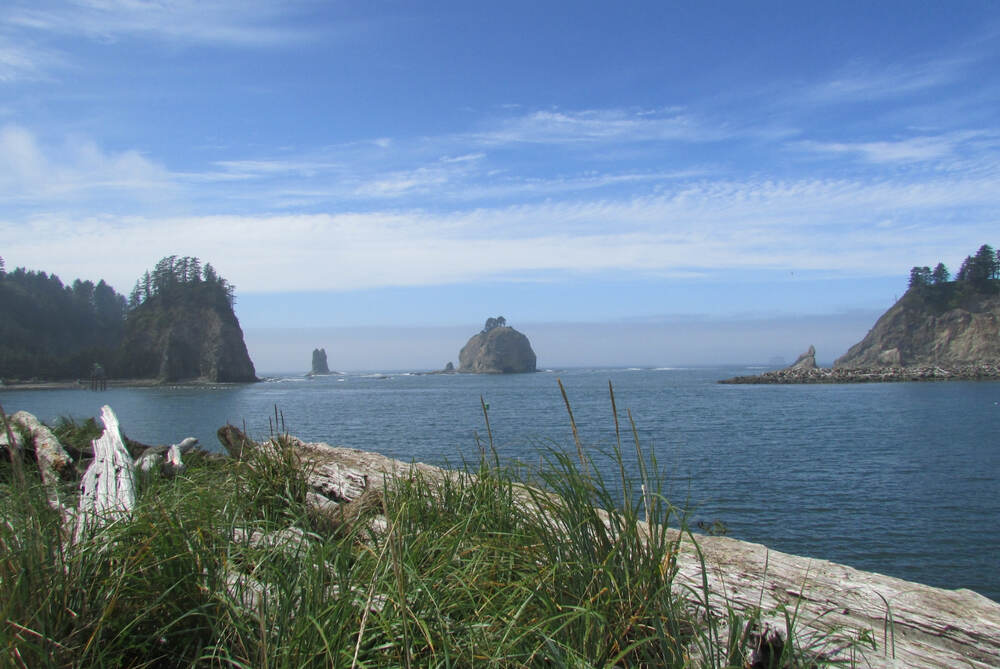
Details on the Beach and Nearby Sea Lion Spots: La Push is a small coastal village known for its beautiful beaches and access to sea lion viewing spots. First Beach is a popular location where you can often see California sea lions close to shore, especially near the rocky areas.
Best Times and Conditions for Sightings: Early morning and late afternoon are the best times to visit La Push for sea lion sightings. The cooler temperatures during these times make the sea lions more active. Additionally, visiting during the shoulder seasons (spring and fall) can increase your chances of seeing sea lions without the summer crowds.
Ozette
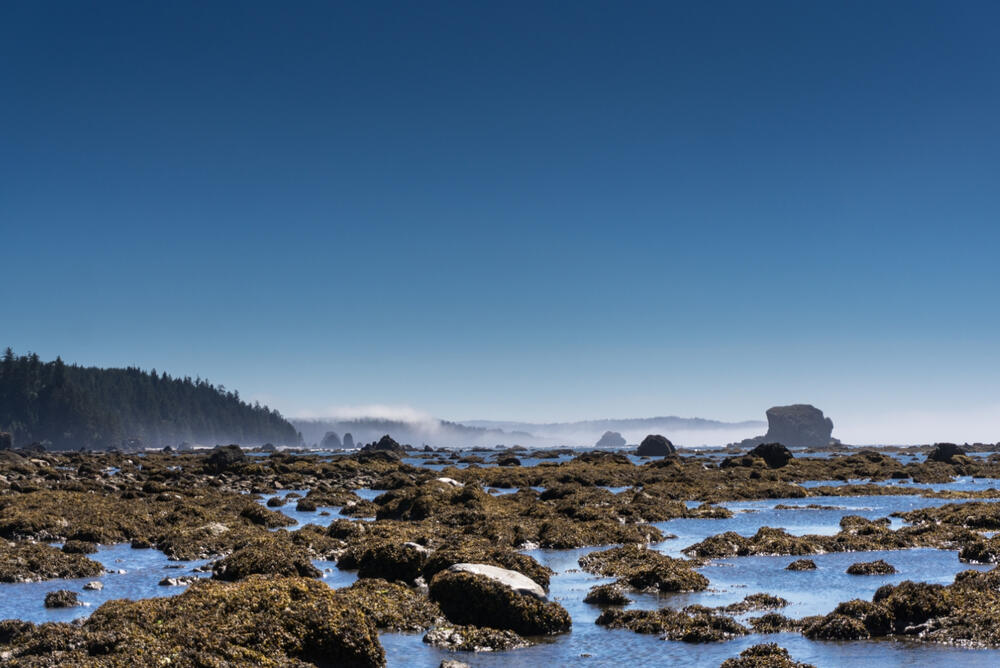
Overview of the Area: Ozette is a remote and less-visited area of Olympic National Park, showcasing a more tranquil environment for spotting wildlife. The area includes the Ozette Loop Trail, which takes you through coastal forests and out to sandy beaches where sea lions are known to gather.
Sea Lion Activity and Suggested Viewing Points: In Ozette, sea lions are most commonly seen around the beaches and rocky points along the coastline. The Cape Alava section of the Ozette Loop is particularly good for spotting them. Plan your visit during low tide when the rocky outcrops are more exposed, giving you a better chance to observe sea lions resting and interacting with each other.
Helpful Tips
Seasonal Considerations: The best times to see sea lions in Olympic National Park are during the spring and fall when their numbers peak. Pay attention to weather and tide conditions—low tide often reveals more of the rocky areas where sea lions haul out.
Safety Precautions: Keep a safe distance to avoid disturbing the sea lions, and always follow park regulations to protect both you and the wildlife.
What to Bring: Bring binoculars, sturdy footwear, and a camera with a zoom lens. For better photos, use a tripod and shoot for softer lighting in the early morning or late afternoon.
Final Thoughts
Olympic National Park boasts several prime locations for sea lion viewing, including Cape Flattery, Tatoosh Island, La Push, and Ozette. Each spot provides unique opportunities to observe both Steller and California sea lions in their natural habitats.
Plan your visit during the spring or fall when sea lion activity is at its peak, and be mindful of tide schedules for the best viewing conditions. Remember to keep a safe distance, respect park regulations, and bring the appropriate gear to make the most of your trip.
Whether you’re an avid wildlife lover or simply looking to enjoy the natural beauty of the Pacific Northwest, Olympic National Park offers plenty of opportunities to connect with nature and observe its inhabitants up close. Why wait? Plan your trip to this spectacular part of the country today!
I WOULD LOVE TO HEAR FROM YOU! Scroll to the bottom to leave a comment about a trip you’ve taken to this remarkable park, any sea lions you’ve sean, or any questions you might have.
National Parks List, Map, and Complete Guide (All 63 Parks + Downloadable List & Map)
Want a FREE complete list and recap of all our US National Parks as well as downloadable maps and other great resources? Check out our US National Parks List and Map guide!

National Parks Scratch Off Map of United States
Best Travel Gifts to Track Your Travels and Adventures! Check out the top-selling US National Parks Map Poster of the United States!

FAQ’S
Where to see sea otters in Olympic National Park?
You can see sea otters along the rugged coastal areas of Olympic National Park, particularly around Cape Alava and Sand Point.
Where can I see puffins in Olympic National Park?
Puffins are best spotted on Tatoosh Island, near Cape Flattery, where they nest in summer.
Where to see orcas in Olympic National Park?
Orcas can be seen from the park’s coastal areas, especially from the Strait of Juan de Fuca, with the best viewing spots being near Cape Flattery and Shipwreck Point.
What is the best time of day to see sea lions in Olympic NP?
The best time of day to see sea lions in Olympic National Park is early morning or late afternoon when they are most active.
