
When it comes to encounters with wildlife, one question often asked is, “Which bear is the most dangerous?” In this article, I’ll dive into the behaviors, sizes, and real-life encounters of different bear species to help you understand which poses the greatest threat to humans.
Generally, the Grizzly bear is often considered the most dangerous due to its aggressive nature and frequent territorial attacks. However, it’s not as simple as naming one species; each type of bear has unique characteristics that can make it a serious threat.
But why are Grizzlies more aggressive? How do Black Bears and Polar Bears compare? By the end of this article, you’ll know what makes each species dangerous and how to stay safe during an unexpected encounter.
- Overview of Bear Species
- Grizzly Bear
- Black Bear
- Polar Bear
- Comparing Aggression and Threat Levels
- Factors That Influence Bear Danger Levels
- Preventive Measures and Safety Tips
- Final Thoughts
- National Parks List, Map, and Complete Guide (All 63 Parks + Downloadable List & Map)
- National Parks Scratch Off Map of United States
- FAQ’S
Overview of Bear Species
Grizzly Bear (Brown Bear)
Grizzly bears, also known as Brown bears, are large and powerful, typically found in North America, especially in Alaska, western Canada, and parts of the northwestern U.S. They are known for their aggressive and territorial behavior, especially when protecting cubs or food.
Black Bear
Black bears are the most widespread bear species found throughout North America. They are generally smaller and less aggressive than Grizzlies. However, they can still be dangerous, particularly when surprised, threatened, or during a food shortage.
Polar Bear
Polar bears are the largest bear species, living in Arctic regions. They are highly predatory and more likely to view humans as prey, making them a serious threat in their natural, ice-covered habitat.
Sloth Bear
Sloth bears, found in India and Sri Lanka, are known for their unpredictability. They have a reputation for being aggressive, especially when surprised or with cubs, and have been involved in numerous attacks on humans.
Asiatic Black Bear
The Asiatic Black bear, also known as the Moon bear, lives in forests and mountainous areas of Asia. It is known for its aggressive nature and has been involved in many attacks on people in its native range.
Grizzly Bear
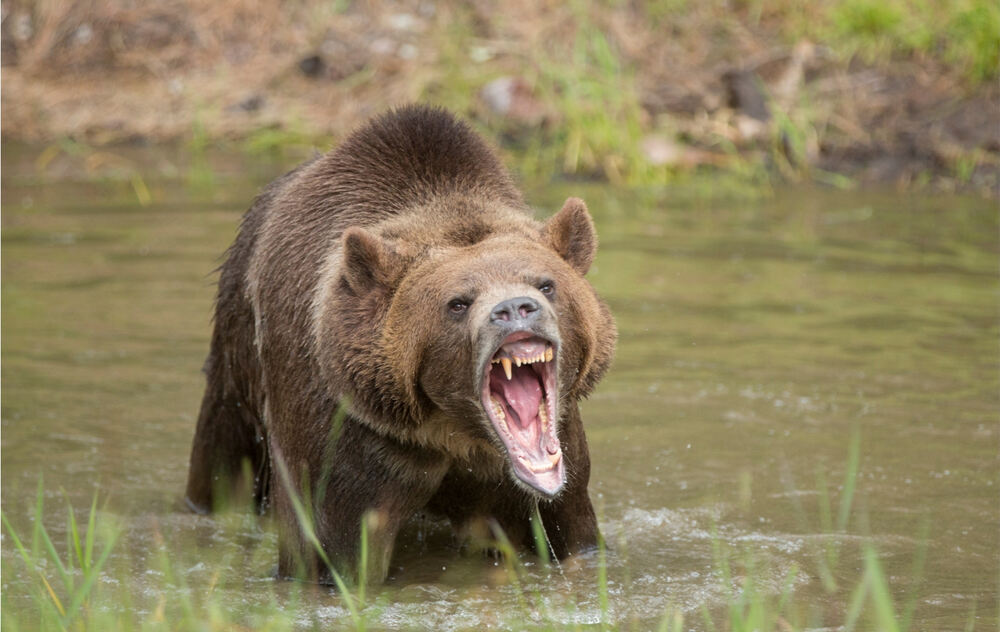
Size and Habitat:
Grizzly bears are large, with males weighing 400 to 790 pounds and standing up to 8 feet tall. They are commonly found in North America, particularly in Alaska, western Canada, and the northwestern U.S., inhabiting forests, meadows, and coastal areas.
Behavior:
Grizzlies are highly aggressive and territorial, especially when protecting cubs or food. They are more likely than other bears to charge and attack when threatened, making them particularly dangerous in areas where human encounters are frequent.
Notable Incidents:
Grizzly attacks often occur when humans surprise them at close range or approach a mother with cubs. Such incidents are reminders of their unpredictable and aggressive nature, reinforcing the need for caution in bear habitats.
Black Bear
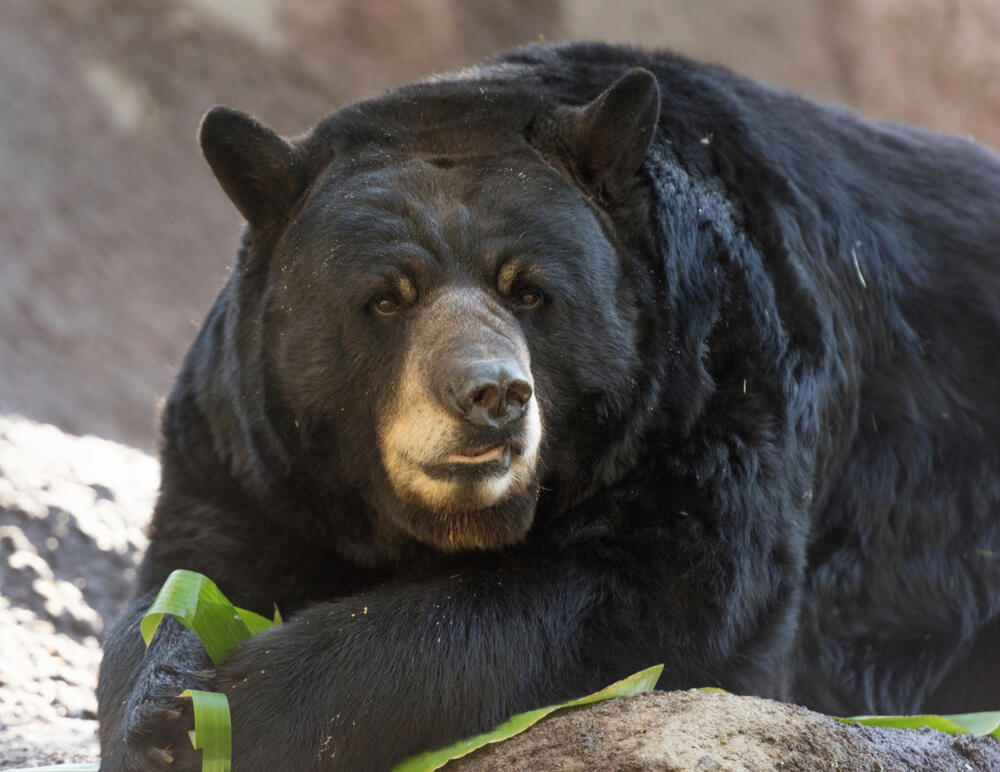
Size and Habitat:
Black bears are smaller than Grizzlies, with males weighing between 150 to 600 pounds. You can find them in a wide range of habitats, including forests, mountains, and even suburban areas across North America.
Behavior:
Black bears are generally more timid and less aggressive, often avoiding confrontation with humans. However, they can still be dangerous, especially when food is scarce or when they feel cornered. Their curiosity can also lead them into human areas, increasing the chances of conflict.
Notable Incidents:
Attacks by Black bears are rare but can occur, mainly when the bear is surprised, protecting cubs, or defending a food source. In some cases, predatory behavior has been noted, particularly in areas where bears are accustomed to humans and lose their natural fear.
Polar Bear
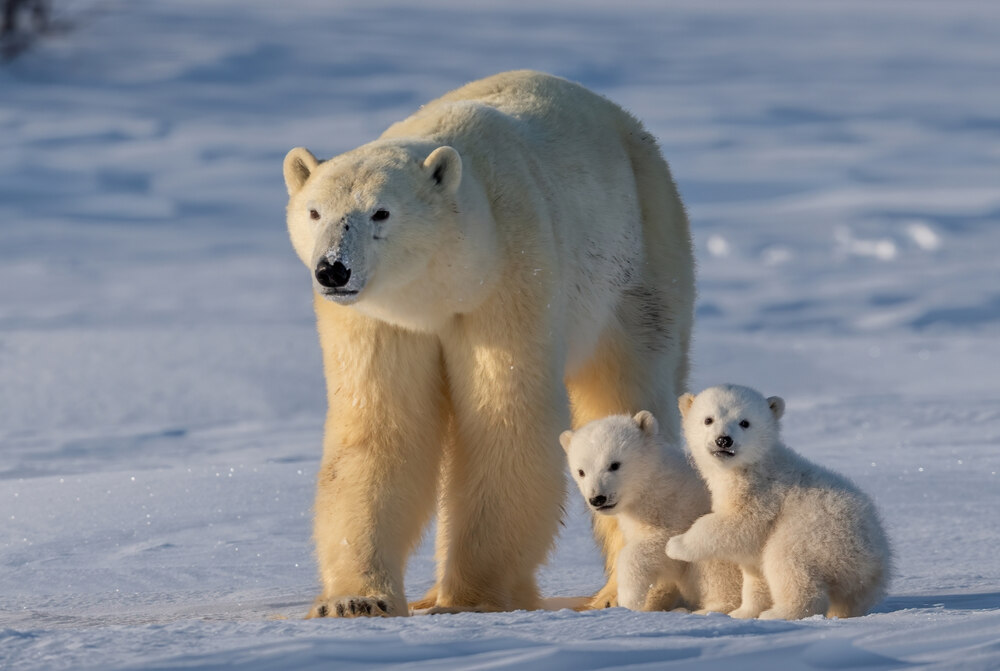
Size and Habitat:
Polar bears are the largest bear species, with males weighing between 900 to 1,600 pounds and standing up to 10 feet tall. You’ll find them in the Arctic regions, primarily on sea ice, where they hunt seals, their primary food source.
Behavior:
Unlike other bears, Polar bears have a highly predatory nature, and their behavior is driven by the need to hunt for survival. Due to the lack of food in their environment, they are more likely to view humans as potential prey, especially when their natural food sources are limited.
Notable Incidents:
Documented attacks often occur in remote Arctic areas where human-bear encounters are rare but dangerous. Polar bears are known to stalk and attack when hungry, making them one of the most dangerous bears when encountered in their habitat.
Comparing Aggression and Threat Levels
Territorial vs. Predatory Aggression:
Grizzly bears and Polar bears exhibit different types of aggression. Grizzlies are primarily territorial; they attack to protect their space, cubs, or food. This defensive aggression makes them dangerous when surprised or provoked. In contrast, Polar bears display predatory aggression. They actively hunt for food, and in the Arctic, humans can be seen as possible prey, especially when natural food sources are limited.
Human-Bear Encounters:
Grizzly encounters are more frequent due to their habitats overlapping with human activity, often leading to defensive attacks. Polar bear encounters are rarer but usually more severe due to their hunting instincts. Though less aggressive, black bears can still pose risks, especially when they lose their natural fear of humans. Understanding these behaviors can help you gauge the threat level of each species.
Factors That Influence Bear Danger Levels
Proximity to Humans:
Bears become more dangerous when their habitats overlap with human areas. Urban encroachment and increased accessibility to bear habitats heighten the risk of encounters, making conflicts more likely, especially in areas frequented by hikers and campers.
Food Availability:
The scarcity of natural food sources can drive bears closer to human settlements in search of food. Grizzlies and Black bears may rummage through garbage, while Polar bears may wander into communities, increasing the likelihood of dangerous encounters.
Seasonal Behavior:
Bear aggression varies with the season. Bears are more likely to be defensive and aggressive during mating or when rearing cubs. This is especially true for Grizzlies and Black bears, who will defend their young fiercely, making encounters more hazardous during these times.
Preventive Measures and Safety Tips
Avoidance Strategies:
To avoid bear encounters:
- Stay alert and make noise while hiking, especially in areas known for Grizzlies.
- Store food properly and keep a clean campsite to avoid attracting Black bears.
- In Polar bear regions, travel in groups and avoid venturing onto sea ice alone.
- Always be aware of your surroundings and respect bear habitats.
Response to Attacks:
If you encounter a Grizzly, avoid eye contact, back away slowly, and use bear spray if it charges. For Black bears, stand your ground, make yourself look larger, and fight back if attacked. With Polar bears, retreat calmly but do not run; use bear deterrents like noise makers or flare guns. Understanding each bear’s behavior and reacting appropriately can significantly increase your safety.
Final Thoughts
Ultimately, based on data and behavior, the Grizzly bear is often considered the most dangerous due to its aggressive and territorial nature. However, Polar bears are also highly dangerous because of their predatory instincts and lack of fear toward humans. While generally less aggressive, Black bears can still pose significant risks under certain conditions. Each bear species presents unique dangers; understanding these differences is crucial for safety.
Always prioritize safety and awareness when in bear habitats. Knowing how to avoid encounters and respond appropriately during an attack can greatly reduce your risk. Whether hiking in Grizzly territory, camping in Black bear country, or exploring the Arctic, respect for these powerful animals and preparation are your best defenses.
I WOULD LOVE TO HEAR FROM YOU! Scroll to the bottom to leave a comment about any bear sightings you’ve had and how you responded.
National Parks List, Map, and Complete Guide (All 63 Parks + Downloadable List & Map)
Want a FREE complete list and recap of all our US National Parks as well as downloadable maps and other great resources? Check out our US National Parks List and Map guide!

National Parks Scratch Off Map of United States
Best Travel Gifts to Track Your Travels and Adventures! Check out the top-selling US National Parks Map Poster of the United States!

FAQ’S
Which is the most aggressive bear?
The Grizzly bear is generally considered the most aggressive due to its territorial and protective nature.
Which bear has killed the most humans?
Grizzly bears have been responsible for more fatal attacks on humans compared to other bear species.
Is a grizzly or black bear more dangerous?
Grizzlies are more dangerous due to their size, strength, and aggressive behavior, while Black bears are usually more timid.
What is the strongest bear in order?
The strongest bears in order are the Polar bear, the Grizzly bear, and the Kodiak bear, a subspecies of the Brown bear.
What is the friendliest bear species?
The Giant Panda is considered the least aggressive and most docile bear species towards humans.
What is the least deadliest bear?
The Giant Panda and Sloth bear are considered the least deadly as they rarely attack humans unless provoked.
Can you fight off a black bear?
Yes, it is possible to fight off a Black bear by standing your ground, making noise, and fighting back if attacked.
