
Bears are large, powerful mammals found across North America, Europe, and Asia, with eight distinct species, including grizzlies, black bears, and polar bears. Known for their strength, adaptability, and keen sense of smell, bears play a crucial role in their ecosystems as both predators and foragers. So, let’s look at the question: What does a bear eat?
These animals are omnivores, meaning they eat various foods ranging from plants and berries to fish and small mammals. However, what a bear eats can vary widely depending on its species and environment. Are you curious about how a grizzly bear’s diet differs from a polar bear’s or why some bears prefer berries over meat? Sit tight as I dive into the specific diets of different bear species and what influences their eating habits.
- General Diet of Bears
- Diet by Bear Species
- Do Bears Eat Meat?
- What is the Diet of a Bear?
- What Animals Do Bears Like Hunting?
- What Do Grizzlies Eat?
- What Do Brown Bears Eat?
- Seasonal Variations in Diet
- Human Impact on Bear Diet
- Final Thoughts
- National Parks List, Map, and Complete Guide (All 63 Parks + Downloadable List & Map)
- National Parks Scratch Off Map of United States
- FAQ’S
General Diet of Bears

Bears as Omnivores
Bears are true omnivores, meaning they eat a mix of plants, meat, and insects to meet their nutritional needs. You’ll find that their diet is incredibly varied, including fruits, nuts, leaves, fish, small mammals, and even carrion (the decaying flesh of dead animals, often consumed by scavengers).
Nutritional Needs and Food Choices
Bears’ food choices are driven by the need to maintain their energy levels, build fat reserves, and meet specific nutritional requirements such as protein, fats, and carbohydrates. Understanding this general diet gives you a baseline for what bears consume. Still, the specifics can differ significantly depending on the species and their habitat.
Diet by Bear Species
Grizzly Bears
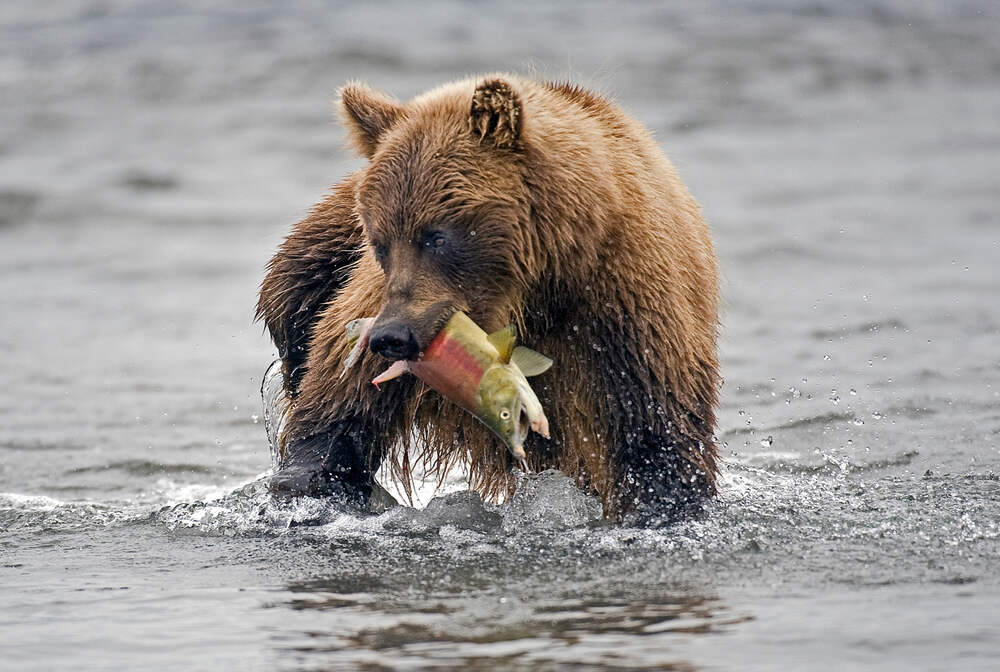
Grizzly bears have a diverse diet that shifts with the seasons. You’ll often find them feasting on high-protein foods like salmon, which are a critical part of their diet, especially in preparation for winter. They also consume a variety of small mammals, insects, and plants. In the summer and fall, they turn to berries, roots, and nuts to build up their fat reserves.
Black Bears
Black bears are highly adaptable eaters, and their diet largely depends on what’s available. Their primary food sources include fruits, nuts, and insects. They’re also known to consume small animals, carrion, and sometimes fish. This diet helps them maintain a balanced intake of carbohydrates, fats, and proteins, which is crucial for their survival.
Polar Bears
Polar bears have the most carnivorous diet among bear species, relying heavily on seals and other marine mammals. You’ll see them primarily hunting ringed and bearded seals, using the sea ice as a platform. This high-fat diet is essential for meeting their energy needs in the harsh Arctic environment, where plant food is nearly nonexistent.
Panda Bears
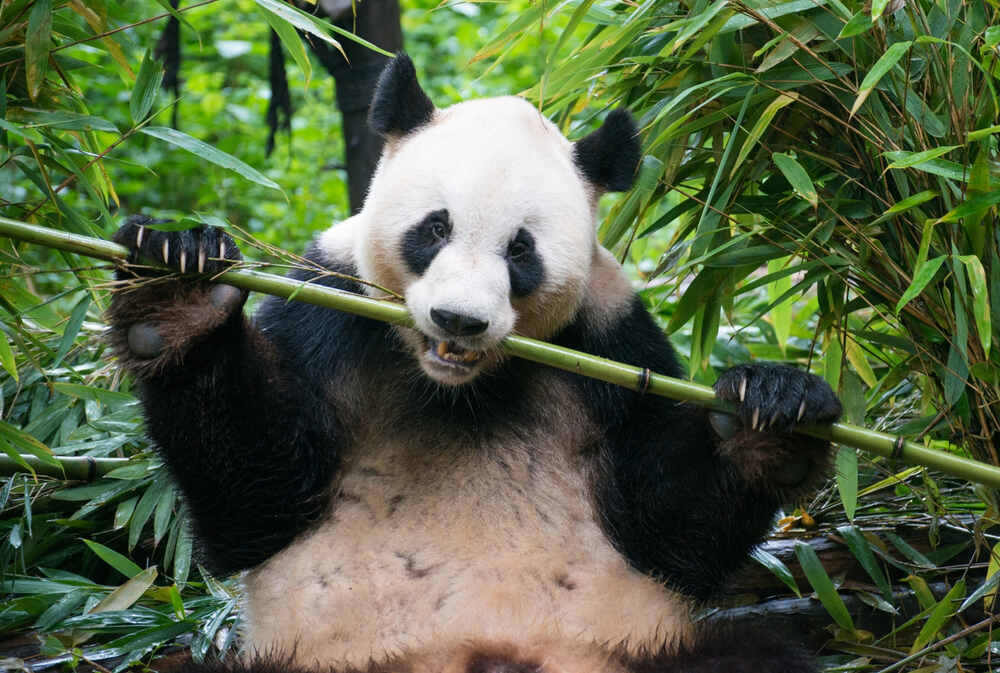
Unlike other bears, panda bears have a specialized diet focused almost entirely on bamboo. Bamboo makes up about 99% of their diet, with the remaining 1% coming from small mammals or other plants when available. This diet is low in nutrients, so pandas spend most of their day eating to meet their energy needs.
Do Bears Eat Meat?
Yes, bears do eat meat, but the amount varies depending on the species and availability. As omnivores, bears consume a mix of animal protein and plant-based foods. Grizzly and polar bears are the most carnivorous, often hunting fish, small mammals, and occasionally larger prey. Other bears, like black bears, may eat meat when available but rely more heavily on plant foods, insects, and other non-meat sources.
What is the Diet of a Bear?
The diet of a bear is highly diverse and adaptable, consisting of fruits, nuts, roots, insects, fish, and small mammals. Bears eat what is seasonally available, adjusting their intake based on nutritional needs and environmental factors. While some bears lean more heavily toward meat, like the polar bear, others, such as pandas, focus almost exclusively on vegetation. The adaptability of their diet helps bears thrive in a wide range of habitats.
What Animals Do Bears Like Hunting?
Bears typically hunt animals that are smaller and easier to catch, such as fish, especially salmon during spawning seasons, small mammals like ground squirrels, and occasionally young deer or elk. Larger prey is less common but can occur, particularly with grizzlies. Hunting allows bears to access high-protein food sources essential for growth and fat accumulation, especially before hibernation.
What Do Grizzlies Eat?
Grizzlies have a varied diet that includes fish, especially salmon, small mammals, berries, roots, and insects. They are opportunistic feeders and will eat whatever is most accessible, shifting from meat in the spring and early summer to plant-based foods like berries and nuts in the late summer and fall. This varied diet helps grizzlies maintain their energy needs throughout the year and prepare for hibernation.
What Do Brown Bears Eat?
Brown bears have a varied diet that includes plants, fish, and small mammals. They rely heavily on salmon during spawning seasons, particularly in coastal areas, providing essential protein and fat. In addition to fish, brown bears consume berries, roots, grasses, and insects. When fish aren’t available, they may hunt small mammals or scavenge on carrion. This adaptable diet allows brown bears to thrive in diverse habitats and adjust their food sources based on seasonal availability.
Seasonal Variations in Diet
Spring: High-Protein Foods
Bears emerge from hibernation in spring and need to replenish their energy reserves. You’ll often find them seeking high-protein foods like fish, particularly in areas where salmon runs are available. They also consume young plants, roots, and fresh grasses rich in nutrients to help rebuild their strength after the long winter.
Summer: Fruits, Berries, and Insects
As summer arrives, bears shift their focus to readily available fruits, berries, and insects. These foods provide a vital source of carbohydrates and sugars that help bears gain weight rapidly. During this time, you’ll see bears feeding on abundant berry patches, hunting for insects like ants and beetles, and foraging for other easily digestible foods that provide quick energy.
Fall: High-Calorie Foods for Hibernation
Fall is a crucial period for bears as they prepare for hibernation. You’ll notice they focus on consuming high-calorie foods like nuts, acorns, and fatty fish to pack on as much weight as possible. This intense feeding period, known as hyperphagia, allows bears to store the necessary fat reserves they rely on during winter.
Winter: Hibernation and Fat Reserves
During winter, bears enter hibernation, significantly slowing their metabolism and relying entirely on their stored fat reserves for energy. While they do not eat, drink, or expel waste, their body efficiently manages the nutrients stored in fat. This adaptation ensures they can survive the months without food until spring arrives again.
Human Impact on Bear Diet
Bears Scavenging in Urban Areas
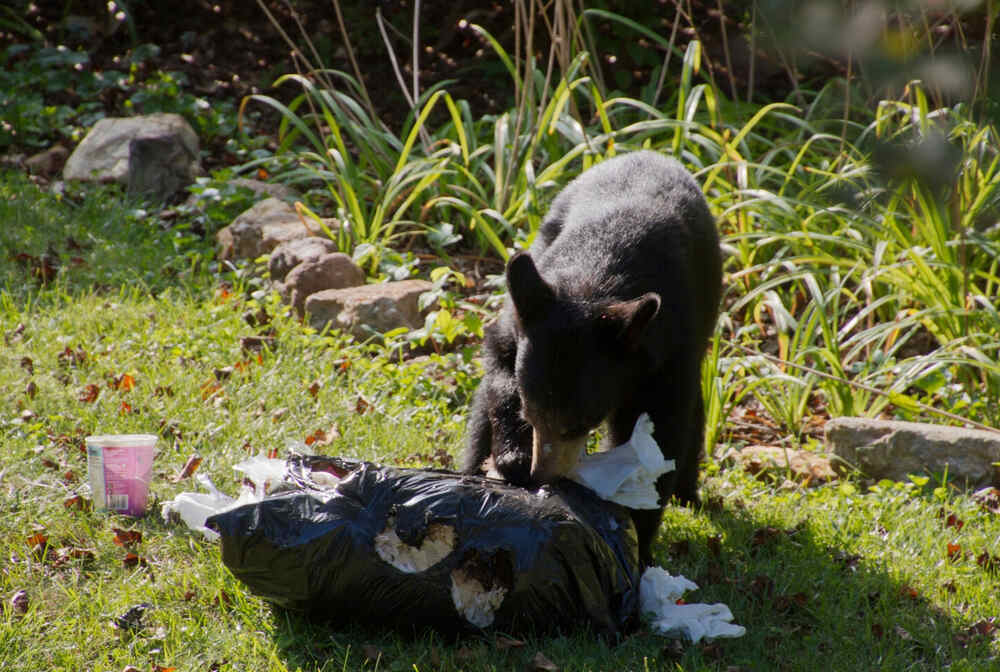
Sadly, as human development takes over bear habitats, bears increasingly venture into urban areas in search of easy food sources. You might see bears rummaging through trash bins, raiding bird feeders, or even scavenging from campsites. This behavior alters their natural diet and disrupts their normal feeding patterns, making them more reliant on human-provided foods that are often unhealthy for them.
Risks of Bears Consuming Human Food
Bears consuming human food pose significant risks to their health and safety and to human communities. Foods like processed snacks, sugary items, and food waste lack the nutritional balance that bears need and can lead to health issues such as obesity and malnutrition.
Moreover, once bears get accustomed to human food, they can become bolder and more dangerous, often leading to conflicts that can result in the bear being relocated or euthanized. It’s crucial for people to manage food waste and store food properly in bear country to minimize these interactions and keep both bears and humans safe.
Final Thoughts
To finish up, bears are versatile eaters with diets that vary widely depending on their species, environment, and seasonal changes. From the fish-loving grizzlies to the bamboo-munching pandas, each species has adapted its eating habits to thrive in its unique habitat.
Throughout the year, bears shift their diet based on the availability of food, consuming high-protein sources in the spring, fruits and insects in the summer, and calorie-rich foods in the fall to prepare for winter hibernation.
Respecting bear habitats is essential to preserving their natural diet and ensuring their survival. Human impact, such as leaving food unsecured in bear territory, not only disrupts their natural feeding behavior but also poses serious risks to both bears and people. By minimizing our footprint and maintaining a respectful distance, we can help bears continue their role in the ecosystem and thrive on their natural food sources.
I WOULD LOVE TO HEAR FROM YOU! Scroll to the bottom to leave a comment about any bears you’ve encountered in your travels and what you’ve seen them eating.
National Parks List, Map, and Complete Guide (All 63 Parks + Downloadable List & Map)
Want a FREE complete list and recap of all our US National Parks as well as downloadable maps and other great resources? Check out our US National Parks List and Map guide!

National Parks Scratch Off Map of United States
Best Travel Gifts to Track Your Travels and Adventures! Check out the top-selling US National Parks Map Poster of the United States!

FAQ’S
What are bears’ favorite foods?
Bears favor high-calorie foods like berries, nuts, fish, and meat. Seasonal preferences include salmon for grizzlies and seals for polar bears.
Do bears eat deer?
Yes, bears can eat deer, especially young or injured ones. Grizzlies and black bears occasionally hunt deer when the opportunity arises.
Do bears eat squirrels?
Yes, bears will eat squirrels if they can catch them. Small mammals like squirrels are a minor but available part of their diet.
What smells attract bears?
Bears are attracted to strong scents like garbage, pet food, cooking grease, meat, and anything sweet, such as fruits or scented toiletries.
Do bears eat dogs or cats?
While it’s rare, bears can attack and eat dogs or cats, especially if they feel threatened or if pets are left unattended in bear habitats.
