
Olympic National Park is home to a diverse array of wildlife, from majestic elk and elusive mountain lions to smaller creatures like marmots and otters. Among its rich biodiversity, the black bear in Olympic is one of the park’s most iconic animals. As omnivores, black bears play a critical role in the ecosystem by helping to control insect populations, spreading seeds through their scat, and contributing to forest regeneration.
If you’re hoping to spot one, there are a few things to keep in mind. Black bears are most commonly seen in the park’s lower elevation areas, like the Hoh Rain Forest and Sol Duc Valley, especially during the early morning and late evening hours. However, it’s essential to observe them safely—at least 100 yards away—and never approach. Following bear safety guidelines, such as storing food properly and carrying bear spray, will help ensure both your safety and that of the bears.
Best Times to See Black Bears
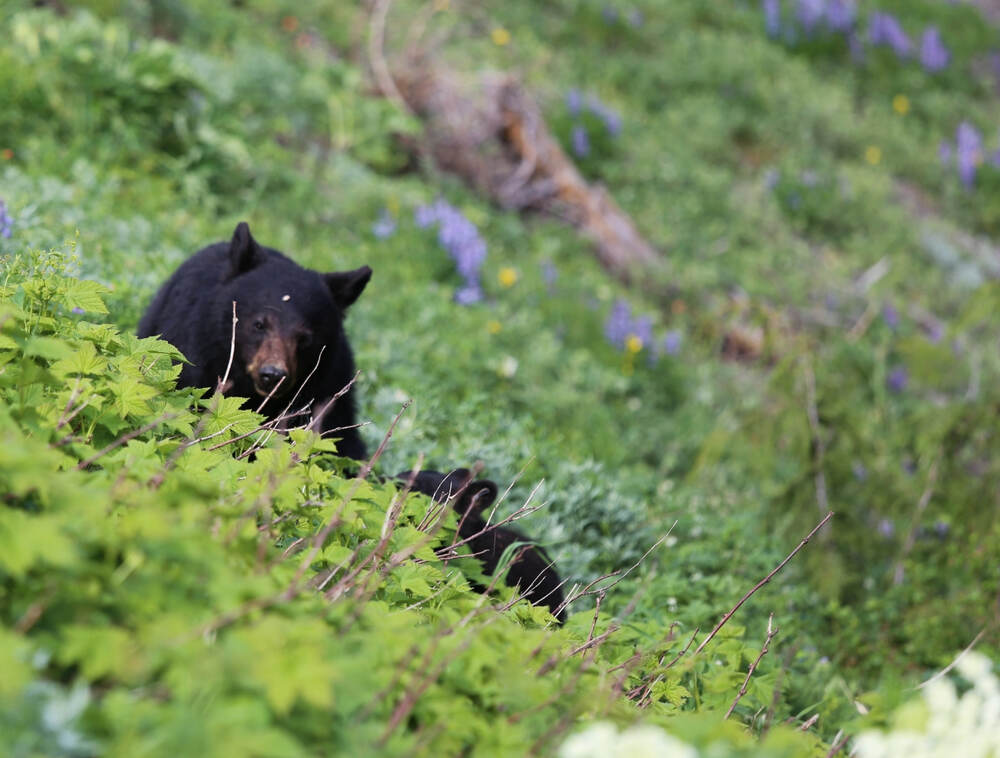
Year-Round Black Bear Activity
Black bears in Olympic National Park are active mainly during the warmer months, typically from spring through early fall. Bears emerge from hibernation as the weather warms and the snow recedes, making it easier to spot them. The bear activity usually starts increasing in April, but the prime months for sightings are May through September when bears are most focused on finding food to prepare for the next hibernation period.
Best Times of Day for Spotting
You’ll have the highest chance of seeing black bears early in the morning or later in the evening. These times of day are when temperatures are cooler, and the bears are more active, foraging for food. During midday, when the sun is strongest, black bears tend to rest in shaded areas or denser forest regions to avoid the heat, making sightings less frequent.
Seasonal Timing for Optimal Sightings
In terms of seasonal timing, spring and summer are the best months for spotting black bears. In spring, as new vegetation grows and insects become more abundant, bears emerge from hibernation hungry and more visible. Summer provides longer days and greater opportunities to see them roaming the lower elevations. By late fall, bears start preparing for hibernation, meaning their activity can taper off, especially as colder temperatures return to higher elevations.
Plan your hikes or scenic drives during these key months and hours to increase your chances. Just remember to maintain a safe distance and respect their space.
Top Locations to Spot Black Bears
Hoh Rain Forest
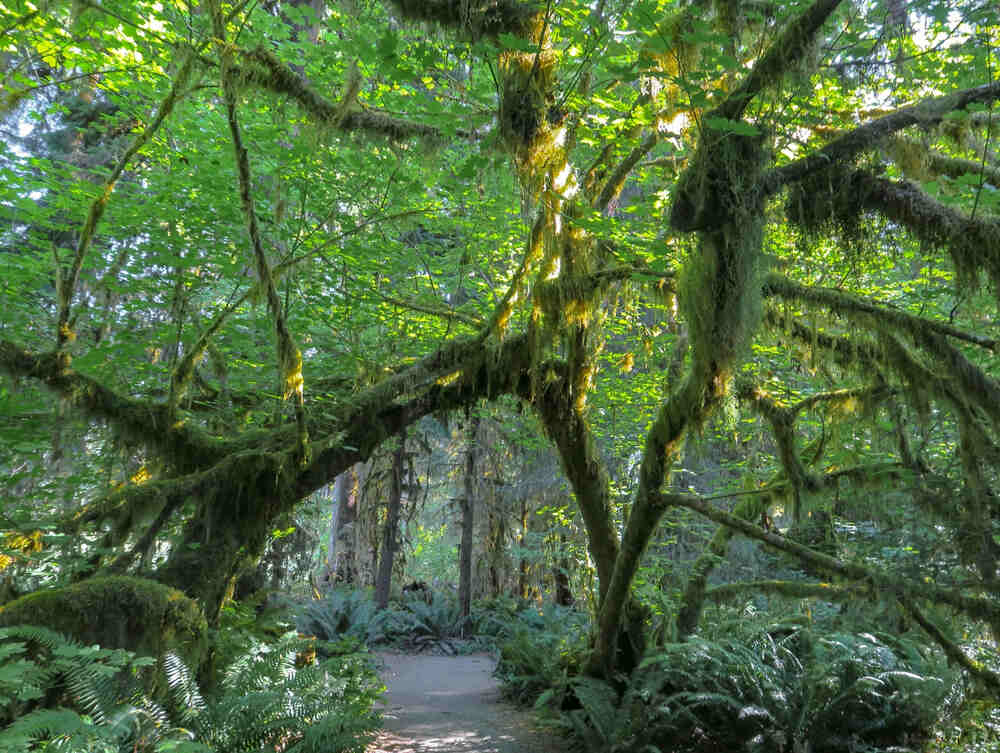
The Hoh Rain Forest is one of the best places in Olympic National Park to spot black bears. This lush, temperate rainforest consists of thick vegetation, moss-covered trees, and a rich supply of berries and plants, which make it a perfect habitat for bears. The forest’s combination of cool, damp conditions and abundant food sources ensures regular bear activity, especially in the spring and summer when they are foraging. While walking along the trails, particularly the Hoh River Trail, you may encounter bears searching for food in the early morning or late evening.
Sol Duc Valley
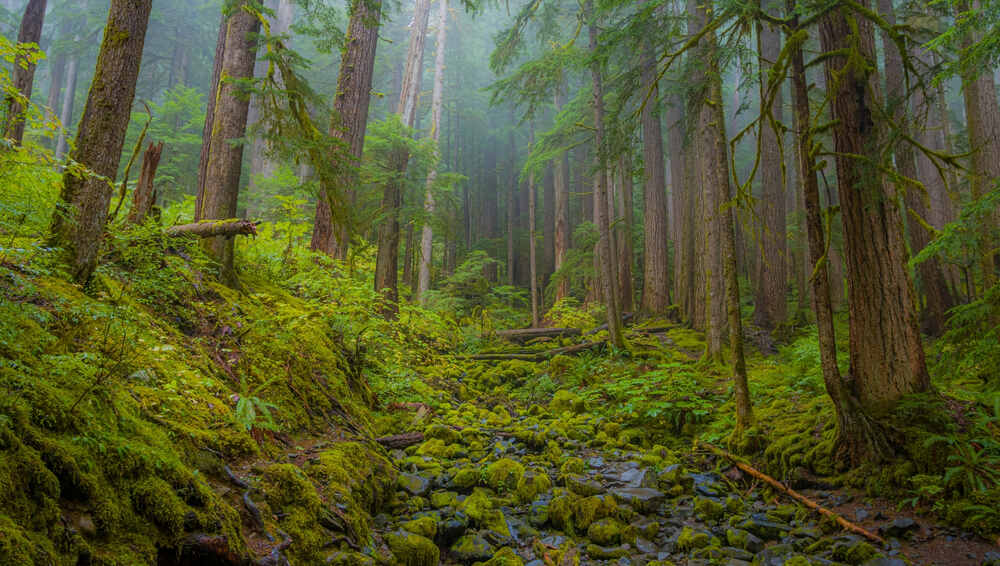
The Sol Duc Valley is another prime area for spotting black bears. The valley’s rivers and streams attract bears during the salmon run, as they come to feed on the fish. The surrounding dense forest and meadows also provide plenty of berries, making this area particularly appealing to bears in late summer and early fall. Hikes like the Sol Duc Falls Trail offer a chance to observe bear activity from a safe distance, especially in the cooler parts of the day when they are out and about.
Elwha Valley
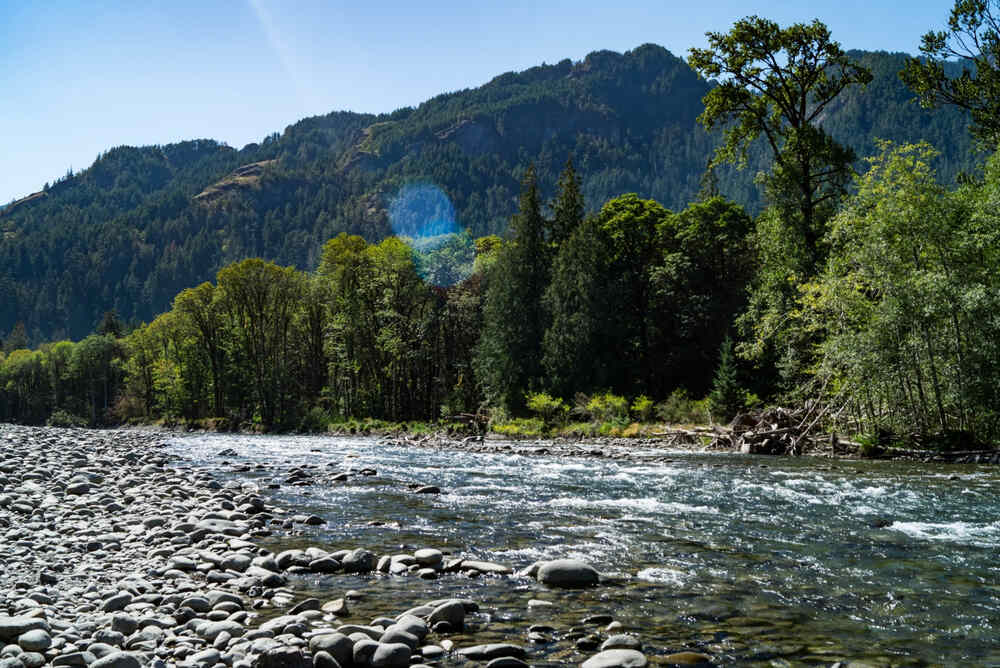
The Elwha Valley boasts a diverse landscape of forests, rivers, and meadows that support a healthy bear population. The valley’s extensive plant life, combined with its lower elevation, creates an ideal environment for black bears. The recent restoration of the Elwha River has led to increased wildlife activity, further improving your chance of spotting a bear. Look for them near the riverbanks and forested areas during spring and fall, when they are most active.
Bear Viewing Etiquette and Safety Guidelines
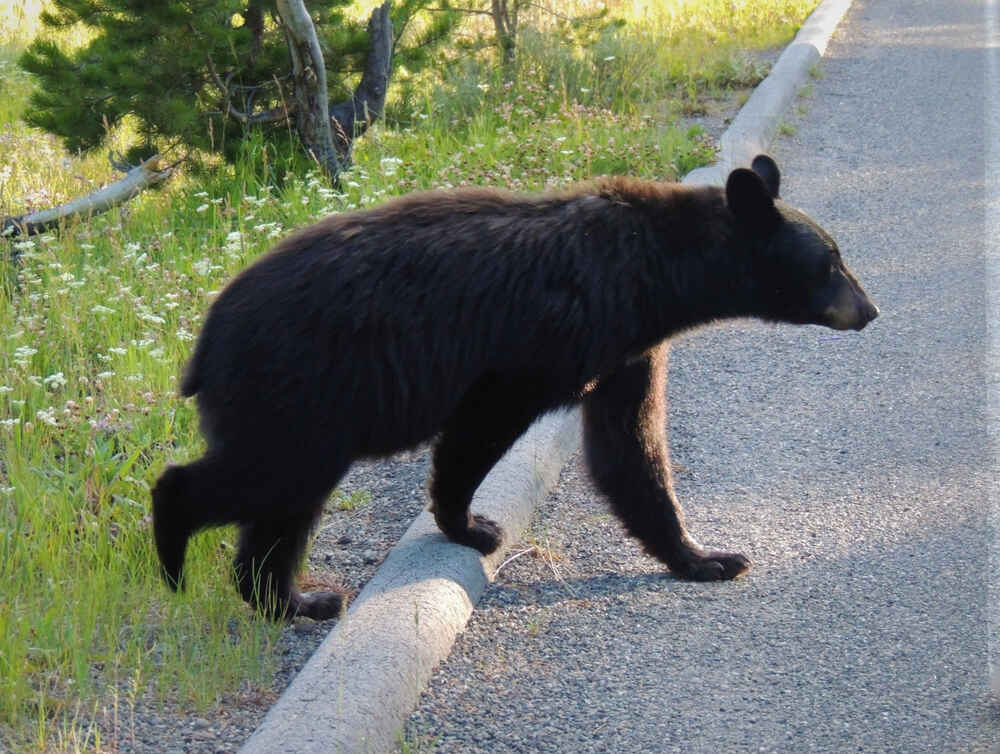
Safe Distances and Behavior
Maintaining a safe distance is crucial when viewing black bears in Olympic National Park. You should stay at least 300 feet away from any bear. If you encounter a bear on a trail, give it plenty of space and avoid direct eye contact, which can be perceived as a threat. Back away slowly, speaking in a calm voice to let the bear know you are not a danger. Never run, as this can trigger the bear’s instinct to chase. If a bear approaches, stand your ground, make yourself look larger, and continue to speak calmly while slowly retreating.
Bear-Proofing Campsites and Food Storage
Proper food storage is critical to keeping both you and the bears safe. Always use bear-proof containers or hang your food at least 10 feet off the ground and 4 feet from any tree trunk. This applies not just to food but also to anything with a scent, such as toiletries or cooking supplies. Never leave food unattended; always clean up your campsite to prevent bears from becoming habituated to human food, which can lead to dangerous encounters.
Responsible Use of Bear Spray
Bear spray is a last-resort safety tool; you should carry it when hiking in bear country. Make sure the canister is easily accessible, such as clipped to your belt or backpack. If a bear charges you and is within 30 feet, use the spray by aiming slightly downward and spraying a continuous stream for 5-6 seconds. Practice using bear spray beforehand so you’re comfortable with it, and remember that it is only effective at close range.
Final Thoughts
To wrap things up, when visiting Olympic National Park, always remember to respect the wildlife and the natural environment. Black bears play an essential role in the park’s ecosystem, and maintaining a safe distance protects both their well-being and yours. By following proper safety guidelines, you help preserve the delicate balance of nature.
To maximize your chances of spotting black bears, plan your trips during the peak activity months from May through September and venture out during early mornings or late evenings. With patience and respect, you’ll have the opportunity to observe these remarkable animals in one of the PNW’s most magnificent landscapes.
I WOULD LOVE TO HEAR FROM YOU! Scroll to the bottom to leave a comment about any bear you’ve seen in Olympic National Park or any of our other public lands.
National Parks List, Map, and Complete Guide (All 63 Parks + Downloadable List & Map)
Want a FREE complete list and recap of all our US National Parks as well as downloadable maps and other great resources? Check out our US National Parks List and Map guide!

National Parks Scratch Off Map of United States
Best Travel Gifts to Track Your Travels and Adventures! Check out the top-selling US National Parks Map Poster of the United States!

FAQ’S
How common are bears in Olympic National Park?
Black bears are relatively common in Olympic National Park, particularly in areas with abundant food sources like the Hoh Rain Forest, Sol Duc Valley, and Elwha Valley. However, sightings are not guaranteed, as bears tend to avoid human activity.
Do I need bear spray in Olympic National Park?
While bear spray is not required, it is highly recommended for safety, especially if you plan to hike in remote areas where bear encounters are more likely.
What to do if you encounter a black bear?
If you encounter a black bear, stay calm, do not run, and slowly back away while speaking in a calm voice. Keep your distance, make yourself look bigger, and give the bear space to retreat.
Is it safe to hike without bear spray?
It can be safe to hike without bear spray, especially on well-traveled trails where bear encounters are less frequent. However, carrying it is still a good precaution in case of unexpected encounters.
