
With 63 incredible national parks spread across the United States, choosing where to start your bucket list can feel overwhelming. Whether you’re dreaming of towering granite cliffs, vast desert canyons, or ancient forests, America’s national parks offer some of the most spectacular landscapes on Earth.
Creating a national park bucket list helps you prioritize your adventures and track your progress toward seeing these natural wonders. With the new 2026 fee changes taking effect, now is the perfect time to plan strategically and make the most of your park visits throughout the year.
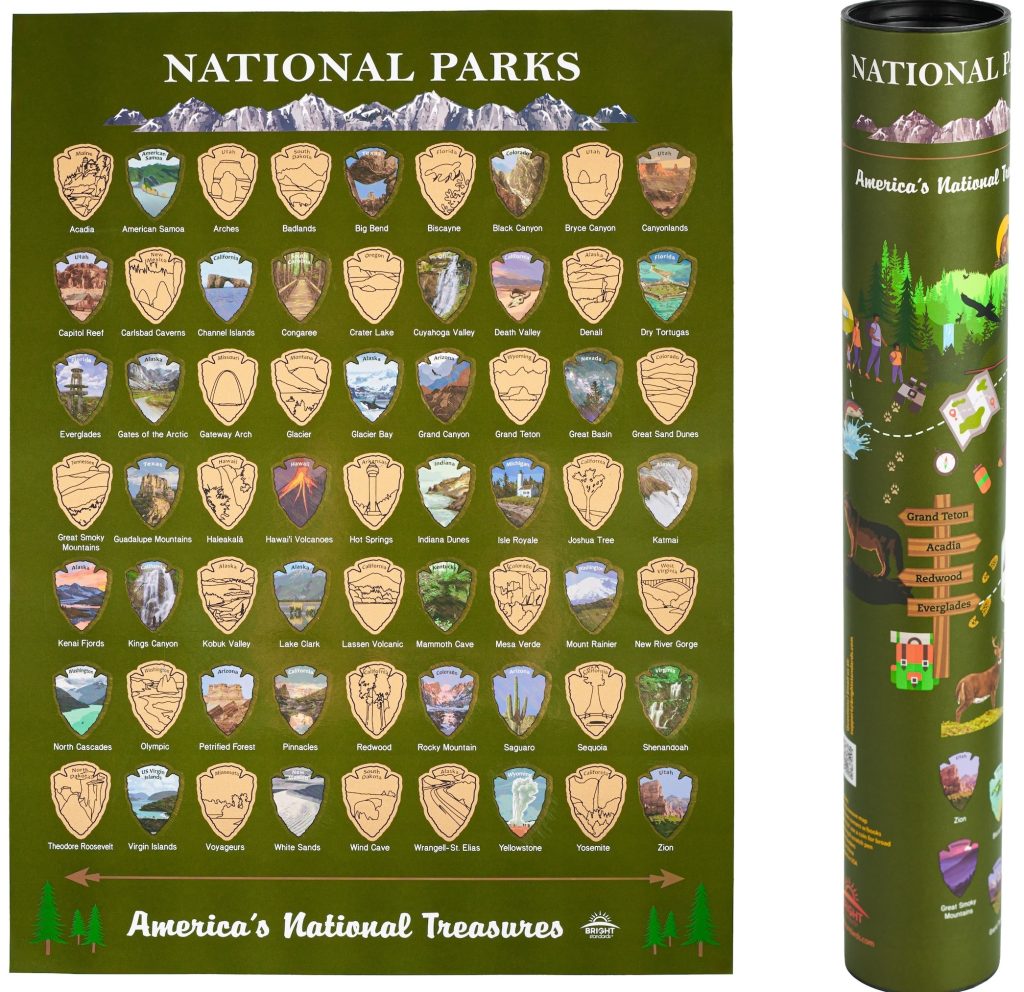
Many national park enthusiasts enjoy tracking their visits with a national parks scratch-off map that lets you reveal each park as you check it off your bucket list. These visual reminders keep your goals front and center while showcasing your progress toward visiting all 63 national parks.
This guide highlights 15 must-visit national parks that represent the incredible diversity of America’s protected lands. From crowd favorites to underrated gems, these parks offer unforgettable experiences that belong on every outdoor enthusiast’s bucket list. Let’s explore which parks should top your 2026 travel plans.
- 1. Yellowstone National Park (Wyoming, Montana, Idaho)
- 2. Yosemite National Park (California)
- 3. Grand Canyon National Park (Arizona)
- 4. Glacier National Park (Montana)
- 5. Zion National Park (Utah)
- 6. Grand Teton National Park (Wyoming)
- 7. Rocky Mountain National Park (Colorado)
- 8. Great Smoky Mountains National Park (Tennessee/North Carolina)
- 9. Acadia National Park (Maine)
- 10. Olympic National Park (Washington)
- 11. Arches National Park (Utah)
- 12. Bryce Canyon National Park (Utah)
- 13. Sequoia & Kings Canyon National Parks (California)
- 14. Death Valley National Park (California/Nevada)
- 15. Crater Lake National Park (Oregon)
- Planning Your National Park Bucket List Adventures
- Final Thoughts
- Track Your National Parks Bucket List
- US National Parks List & Map
- FAQs
1. Yellowstone National Park (Wyoming, Montana, Idaho)
America’s first national park, established in 1872, Yellowstone remains one of the most iconic destinations in the entire park system. This 2.2-million-acre wonderland spans three states and protects more than half of the world’s active geysers, including the famous Old Faithful.
The park’s geothermal features are unlike anything else on Earth. Watch the technicolor Grand Prismatic Spring shimmer in rainbow hues, see bubbling mud pots, and witness geysers erupting on nature’s schedule. Beyond the thermal features, Yellowstone offers incredible wildlife viewing opportunities with bison, elk, grizzly bears, and wolves roaming freely throughout the park.
Best Time to Visit: May and September offer the best balance of accessible roads, moderate weather, and fewer crowds than peak summer months. Winter wolf watching from December through February is spectacular for wildlife enthusiasts.
Must-See Highlights: Old Faithful, Grand Prismatic Spring, Lamar Valley for wildlife viewing, Yellowstone Lake, and the Grand Canyon of the Yellowstone with its dramatic waterfalls.
Plan for at least 3-4 days to experience Yellowstone properly. The park’s vast size and numerous attractions deserve more than a quick drive-through visit.

2. Yosemite National Park (California)
Yosemite Valley’s towering granite cliffs and cascading waterfalls make it one of the most photographed landscapes in America. The iconic Half Dome rises 8,846 feet above sea level, while El Capitan’s sheer 3,000-foot face attracts rock climbers from around the world.
Spring brings Yosemite Falls roaring to life as snowmelt creates North America’s tallest waterfall at 2,425 feet. Giant sequoia groves in the Mariposa Grove showcase trees that have stood for thousands of years, with the Grizzly Giant estimated to be around 3,000 years old.
Yosemite earned its designation as a national park in 1890, thanks largely to conservationist John Muir’s efforts. Today, it welcomes over 4 million visitors annually who come to hike, climb, photograph, and simply marvel at the valley’s natural beauty.
Best Time to Visit: Late April through early June for peak waterfall flow and blooming wildflowers. September and October offer beautiful fall colors and fewer crowds than summer.
Must-See Highlights: Yosemite Valley viewpoints (Tunnel View, Valley View), Yosemite Falls, Half Dome, El Capitan, Glacier Point, and Mariposa Grove’s giant sequoias.
Budget 3-5 days to explore both Yosemite Valley and the high country accessible via Tioga Road.

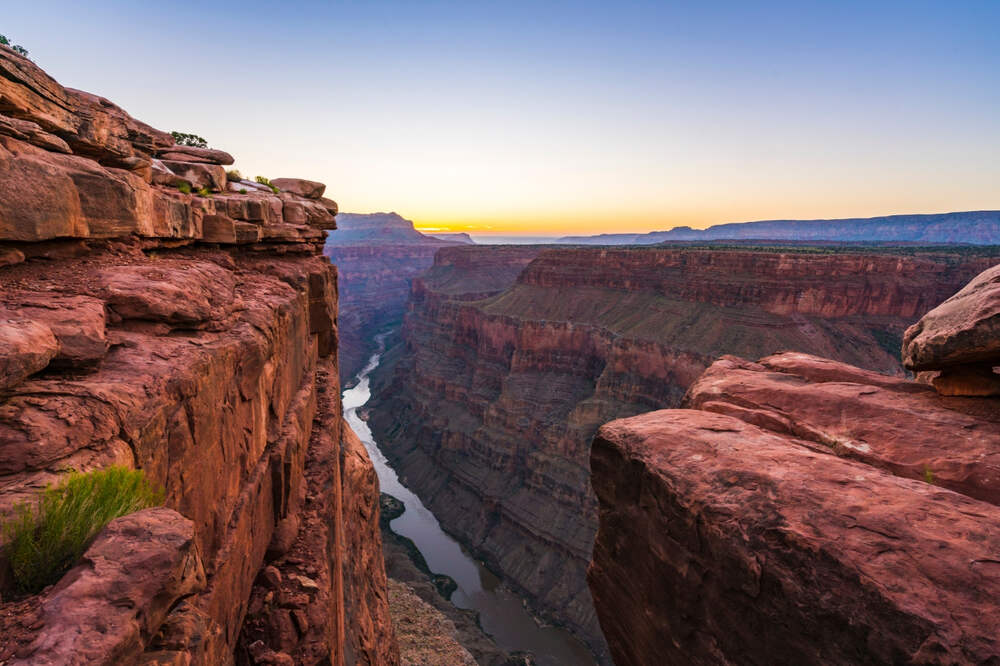
3. Grand Canyon National Park (Arizona)
The Grand Canyon lives up to its name as one of the Seven Natural Wonders of the World. Stretching 277 miles long, up to 18 miles wide, and plunging over a mile deep, this immense chasm reveals nearly 2 billion years of Earth’s geological history in its layered rock walls.
Most visitors experience the South Rim, which stays open year-round and offers easily accessible viewpoints, the Grand Canyon Village, and numerous hiking trails. The North Rim sits 1,000 feet higher in elevation and provides a quieter, more remote experience, though it closes from mid-October through mid-May due to snow.
The Colorado River carved this massive canyon over millions of years, creating a landscape so vast that photographs simply cannot capture its true scale. Standing at the rim and gazing into the canyon’s depths creates an emotional response that visitors describe as both humbling and inspiring.
Best Time to Visit: March through May and September through November offer comfortable temperatures and smaller crowds. Avoid July and August when temperatures can exceed 100°F and crowds peak.
Must-See Highlights: Mather Point, Yavapai Observation Station, Desert View Watchtower, Bright Angel Trail, and sunrise or sunset from any rim viewpoint.
Allow 2-3 days minimum. Hiking to the canyon floor and back requires an overnight stay and advance planning.
4. Glacier National Park (Montana)
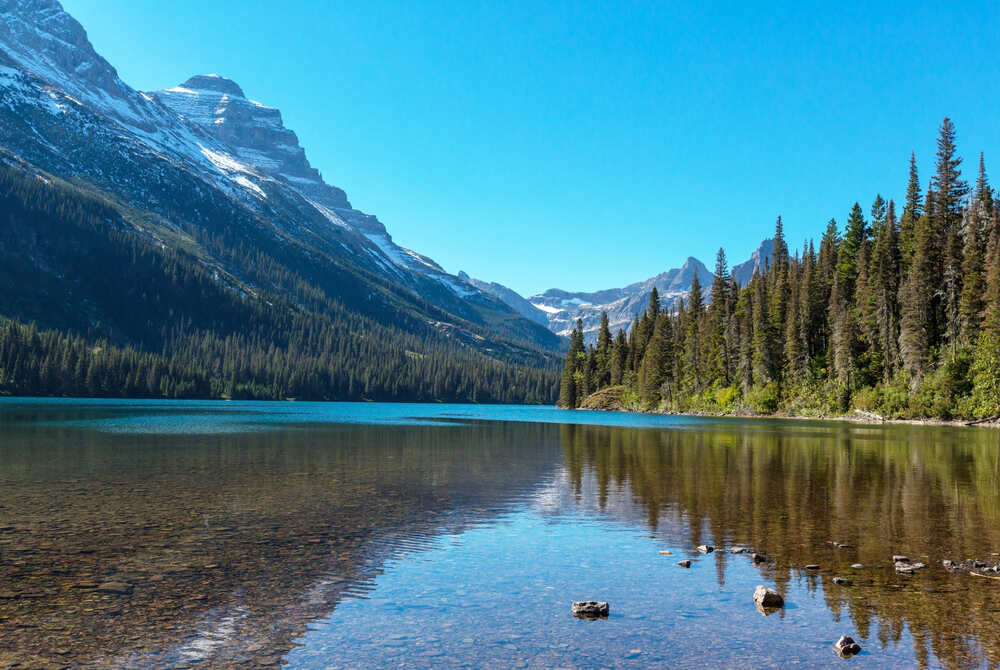
Glacier National Park preserves over 700 miles of hiking trails through pristine wilderness in the northern Rocky Mountains. The park’s namesake glaciers, though shrinking due to climate change, still cling to high mountain peaks alongside alpine lakes, meadows bursting with wildflowers, and dramatic mountain scenery.
The Going-to-the-Sun Road ranks among America’s most spectacular drives, traversing 50 miles across the Continental Divide with breathtaking views at every turn. This engineering marvel typically opens in late June or early July after crews clear massive snowdrifts, making summer the prime season for experiencing the park’s high-elevation beauty.
Wildlife thrives throughout Glacier’s ecosystem. Mountain goats navigate rocky cliffs, grizzly bears roam the backcountry, and moose wade through pristine lakes. The park sits adjacent to Canada’s Waterton Lakes National Park, forming the world’s first International Peace Park.
Best Time to Visit: July and August offer the best weather and full road access. September brings stunning fall colors and fewer crowds, though some facilities begin closing.
Must-See Highlights: Going-to-the-Sun Road, Many Glacier area, Lake McDonald, Grinnell Glacier Trail, Hidden Lake Overlook, and Logan Pass.
Plan for 3-5 days to explore different areas of this expansive park properly.
5. Zion National Park (Utah)
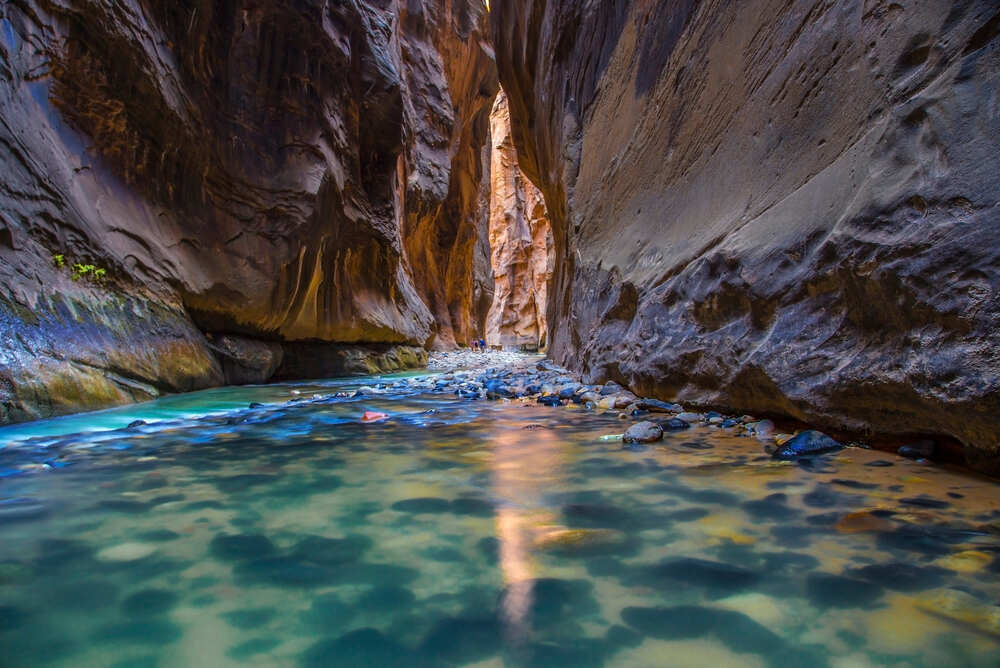
Zion’s towering sandstone cliffs glow in brilliant shades of red, orange, and cream, creating some of the most dramatic desert scenery in the American Southwest. The Virgin River carved Zion Canyon over millions of years, leaving behind vertical walls that rise up to 2,000 feet above the canyon floor.
The park’s most famous hike, Angels Landing, challenges adventurous visitors with a 5.4-mile round trip that includes exposed cliff edges and chain-assisted climbing. For a completely different experience, The Narrows takes hikers directly through the Virgin River as canyon walls narrow to just 20-30 feet wide in places.
Zion welcomed nearly 5 million visitors in 2024, making it one of Utah’s most popular parks. A mandatory shuttle system during peak season helps manage crowds and protects the park’s fragile environment while providing easy access to major trailheads.
Best Time to Visit: March through May and September through November offer pleasant temperatures and manageable crowds. Summer brings intense heat, while winter provides solitude and occasional snow-dusted red rocks.
Must-See Highlights: Angels Landing (permit required), The Narrows, Canyon Overlook Trail, Emerald Pools, and Weeping Rock.
Spend 2-3 days to experience both the main canyon and Kolob Canyons area.
6. Grand Teton National Park (Wyoming)
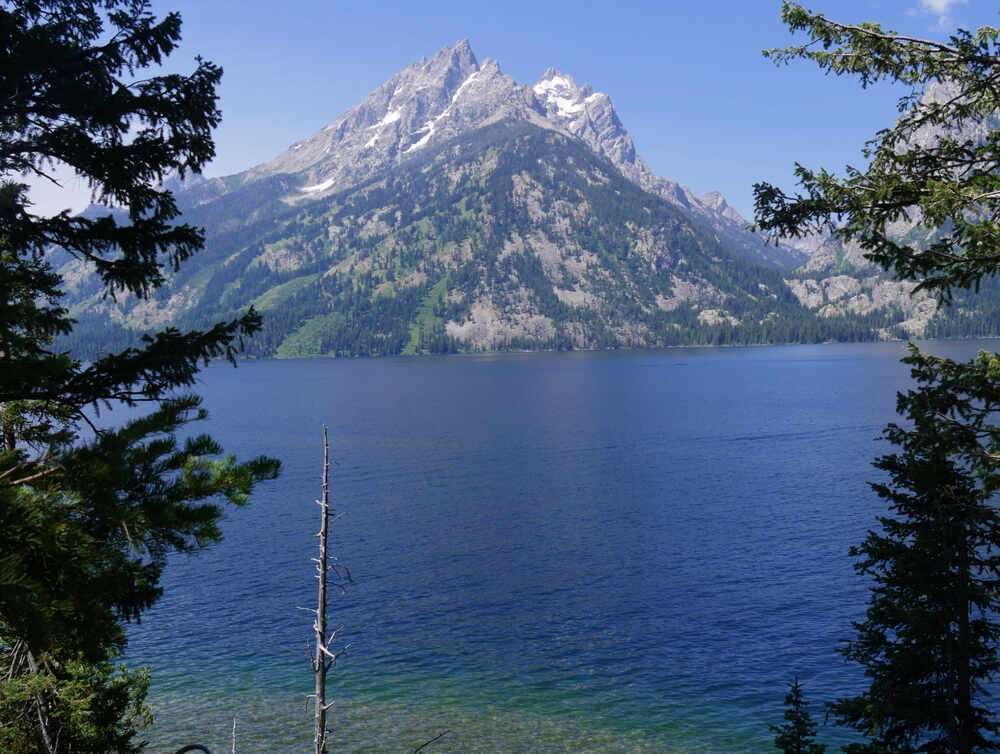
The Teton Range rises abruptly from the valley floor without foothills, creating one of the most dramatic mountain skylines in North America. These jagged peaks reach nearly 14,000 feet, with the Grand Teton itself standing at 13,775 feet as the range’s highest point.
Located just 10 miles south of Yellowstone, Grand Teton offers a completely different landscape. Crystal-clear alpine lakes reflect the mountains’ granite peaks, while the Snake River winds through the valley providing world-class fly fishing and scenic float trips. Wildlife including moose, elk, bison, and black bears frequent the park year-round.
The historic Mormon Row barns, with the Teton Range as their backdrop, create one of the most photographed scenes in the American West. These weathered structures tell the story of homesteaders who settled the valley in the early 1900s.
Best Time to Visit: June through September for full trail and road access. September brings spectacular fall colors as aspen trees turn golden yellow, and wildlife becomes more active during mating season.
Must-See Highlights: Jenny Lake, Mormon Row historic district, Oxbow Bend for sunrise photos, Cascade Canyon Trail, and Jackson Lake.
Combine with Yellowstone for an epic 7-10 day road trip through two incredible parks.
7. Rocky Mountain National Park (Colorado)
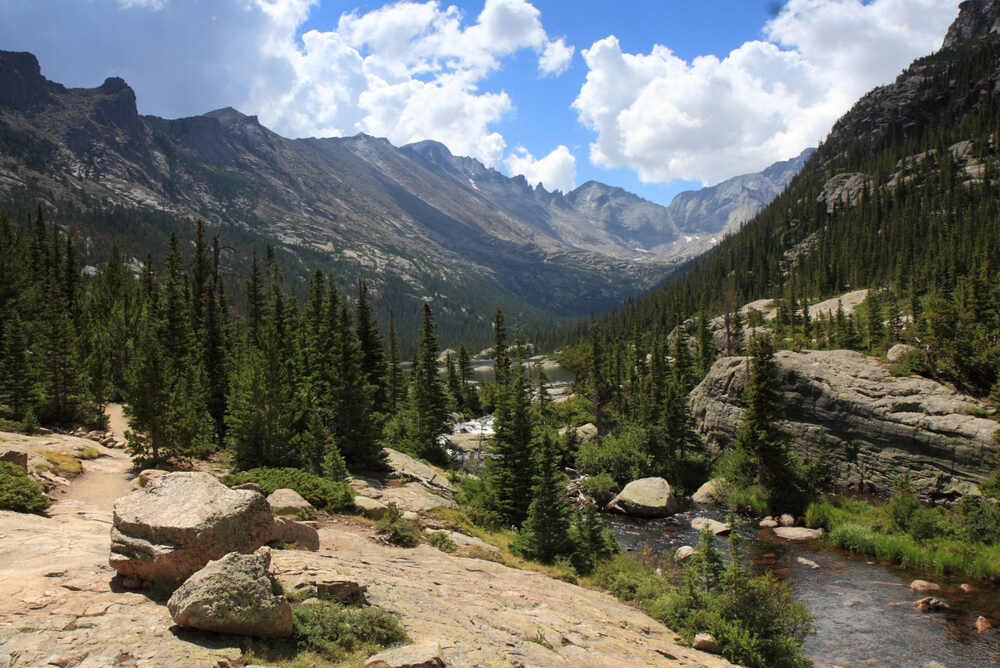
Located just 90 minutes from Denver, Rocky Mountain National Park makes accessibility easy while delivering spectacular alpine scenery. Trail Ridge Road climbs to over 12,000 feet elevation, making it the highest continuous paved road in North America with breathtaking views above the treeline.
The park protects over 350 miles of hiking trails, 150 lakes, and more than 60 mountain peaks exceeding 12,000 feet. Wildflower meadows burst into color during July and August, while wildlife including elk, bighorn sheep, and moose roam throughout the park’s diverse ecosystems.
Timed entry permits are required during peak season to manage the park’s popularity and protect its fragile alpine environment. Sunrise visits offer the best chance to avoid crowds and witness the incredible light show as the sun illuminates the Continental Divide’s peaks.
Best Time to Visit: Late June through September for full road and trail access. September and early October bring elk rutting season and stunning fall colors, though snow can arrive at high elevations.
Must-See Highlights: Trail Ridge Road, Bear Lake area trails, Alberta Falls, Emerald Lake, Alpine Visitor Center, and wildlife viewing in Moraine Park.
Allow 2-3 days to explore different areas and hike several of the park’s beautiful trails.
8. Great Smoky Mountains National Park (Tennessee/North Carolina)
As America’s most visited national park, Great Smoky Mountains welcomed over 13 million visitors in 2024. The park’s popularity stems partly from its free admission policy and convenient location along the eastern seaboard, but mainly from its stunning biodiversity and misty mountain scenery.
Ancient mountains cloaked in dense forests create the characteristic “smoky” haze that gives the park its name. This fog results from moisture released by the park’s vegetation, creating an ethereal atmosphere especially beautiful at sunrise and sunset. The park protects over 800 miles of hiking trails, including a 71-mile stretch of the famous Appalachian Trail.
Cades Cove offers a glimpse into mountain life with preserved historic buildings including log cabins, churches, and working grist mills. The 11-mile loop road attracts visitors hoping to spot white-tailed deer, black bears, and wild turkeys in the open valley.
Best Time to Visit: October for spectacular fall foliage, or April through May for wildflowers and blooming trees. Summer brings the highest crowds and occasional traffic jams on popular routes.
Must-See Highlights: Cades Cove, Clingmans Dome observation tower, Laurel Falls, Roaring Fork Motor Nature Trail, and Newfound Gap.
Plan 2-4 days to experience both Tennessee and North Carolina sides of the park.

9. Acadia National Park (Maine)
Acadia stands as the crown jewel of the Atlantic coast, where rocky shores meet forested mountains on Maine’s Mount Desert Island. As one of the few national parks in the eastern United States, Acadia offers a completely different experience from its western counterparts with ocean views, tide pools, and dramatic coastal cliffs.
Cadillac Mountain reaches 1,530 feet as the highest point along the North Atlantic seaboard. From October through early March, its summit offers the first sunrise in the United States, making it a bucket list experience for early risers willing to brave the pre-dawn cold.
The park’s 27-mile Park Loop Road connects major attractions including Thunder Hole, where waves crash into a narrow inlet creating thunderous sounds and dramatic spray. Carriage roads built by John D. Rockefeller Jr. provide 45 miles of car-free paths perfect for hiking, biking, and horseback riding through forests and past pristine lakes.
Best Time to Visit: September and October offer stunning fall foliage and fewer crowds than summer. June through August brings warm weather but also peak visitor numbers requiring vehicle reservations.
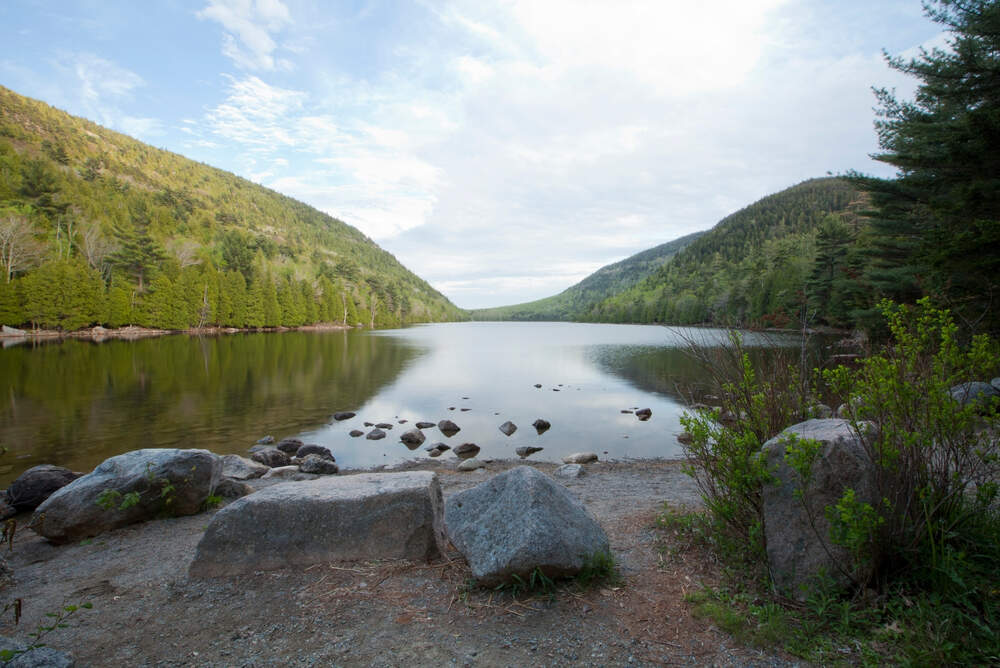
Must-See Highlights: Cadillac Mountain summit, Jordan Pond and the Bubbles, Thunder Hole, Bass Harbor Head Lighthouse, and carriage road trails.
Spend 2-3 days exploring the island, with extra time for nearby coastal towns like Bar Harbor.
10. Olympic National Park (Washington)
Olympic National Park protects three distinct ecosystems in one remarkable destination: temperate rainforest, rugged Pacific coastline, and glacier-capped mountains. This incredible diversity makes Olympic one of the most varied parks in the entire system, offering completely different experiences within the same visit.
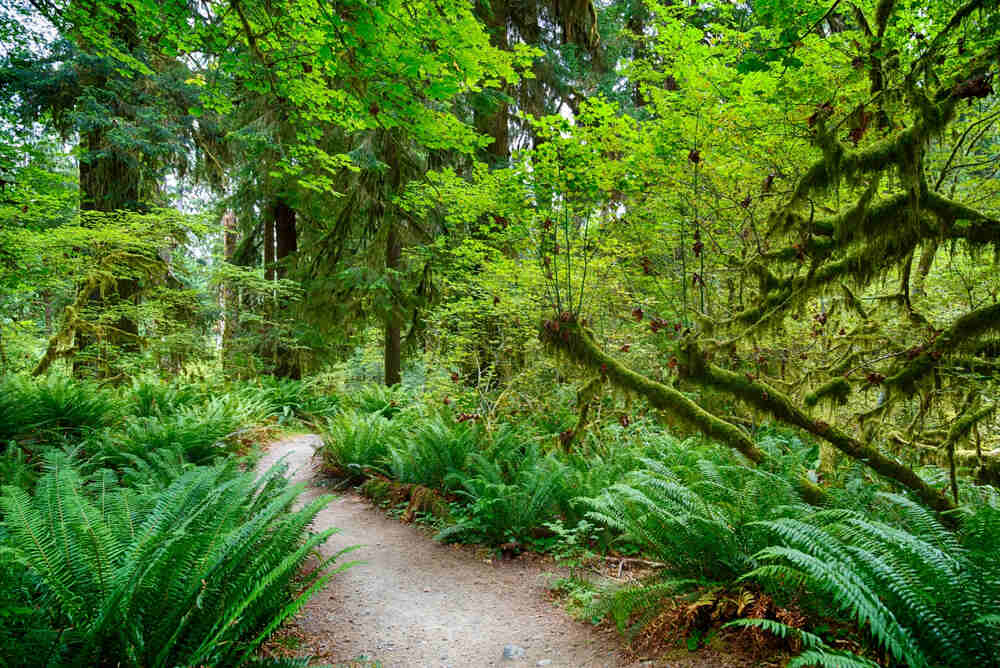
The Hoh Rainforest receives over 140 inches of rainfall annually, creating a lush green world where massive Sitka spruce and western hemlock trees tower overhead draped in moss. Walking the Hall of Mosses Trail feels like stepping into a fairy tale with every surface covered in vibrant green.
The park’s 73 miles of wild coastline feature sea stacks, tide pools teeming with marine life, and beaches accessible only by hiking through coastal forests. Meanwhile, Hurricane Ridge climbs to 5,242 feet offering panoramic mountain views and access to alpine meadows filled with wildflowers in summer.
Best Time to Visit: July through September for the driest weather and best mountain access. April and May bring spring blooms in lower elevations, though rain remains frequent on the western side.
Must-See Highlights: Hoh Rainforest, Hurricane Ridge, Ruby Beach, Sol Duc Falls, Lake Crescent, and Rialto Beach.
11. Arches National Park (Utah)
Arches National Park protects the world’s largest concentration of natural stone arches, with over 2,000 documented formations carved by wind, water, and time. These gravity-defying structures range from small openings to the massive Landscape Arch spanning 306 feet, one of the longest natural arches on Earth.
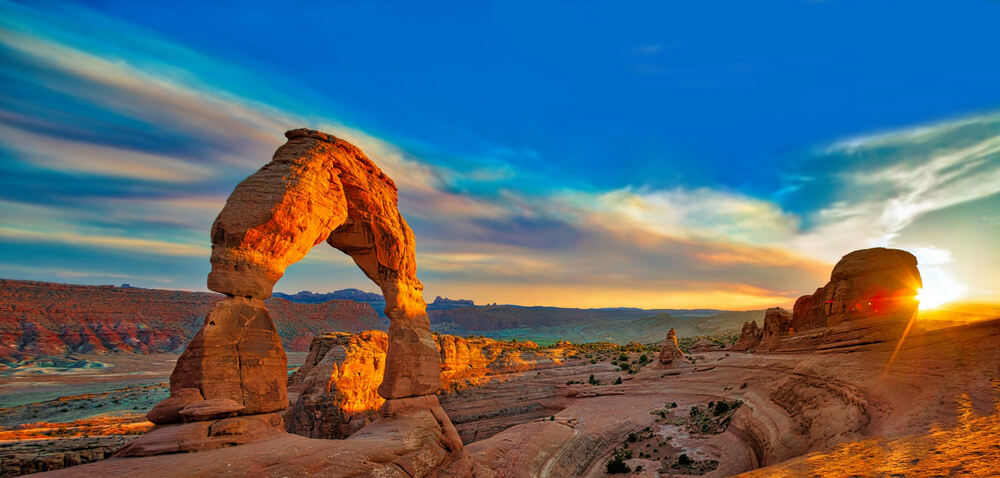
Delicate Arch stands as Utah’s most recognizable landmark, appearing on the state’s license plates and countless postcards. The 3-mile round-trip hike to reach this freestanding arch is moderately strenuous but rewards visitors with an iconic view, especially stunning at sunset when the red sandstone glows.
The park’s compact size makes it possible to see major highlights in one full day, though spending two days allows for deeper exploration and better photography opportunities during golden hour. Summer temperatures regularly exceed 100°F, making spring and fall far more comfortable for hiking.
Best Time to Visit: March through May and September through November offer ideal hiking temperatures and beautiful light for photography. Avoid July and August when afternoon heat makes hiking dangerous.
Must-See Highlights: Delicate Arch, Landscape Arch, Double Arch, Balanced Rock, Park Avenue, and the Windows Section.
Plan 1-2 days here, often combined with nearby Canyonlands National Park for a comprehensive Utah adventure.
12. Bryce Canyon National Park (Utah)
Bryce Canyon captivates visitors with its otherworldly landscape of hoodoos—tall, thin spires of rock that rise from the canyon floor in shades of red, orange, and white. These unique geological formations create an amphitheater that looks like a fantasy landscape, especially magical at sunrise when the first light illuminates the colorful spires.
Despite its name, Bryce isn’t actually a canyon but rather a series of natural amphitheaters carved into the edge of the Paunsaugunt Plateau. The park sits at elevations between 8,000 and 9,000 feet, making it cooler than neighboring Zion and offering a pleasant escape from summer desert heat.
The Navajo Loop Trail takes hikers down among the hoodoos on a 1.3-mile journey through narrow passages and past formations with whimsical names like Thor’s Hammer. Combined with the Queen’s Garden Trail, this 3-mile loop provides the quintessential Bryce Canyon hiking experience.
Best Time to Visit: May through September for full facility access and comfortable hiking temperatures. Winter brings snow-dusted hoodoos creating striking contrasts, with fewer crowds and a magical atmosphere.
Must-See Highlights: Sunrise or Sunset Point, Bryce Amphitheater, Navajo Loop Trail, Queen’s Garden Trail, and the Natural Bridge viewpoint.
One full day covers the main highlights, though two days allows for exploring less-visited areas and better photography opportunities.

13. Sequoia & Kings Canyon National Parks (California)
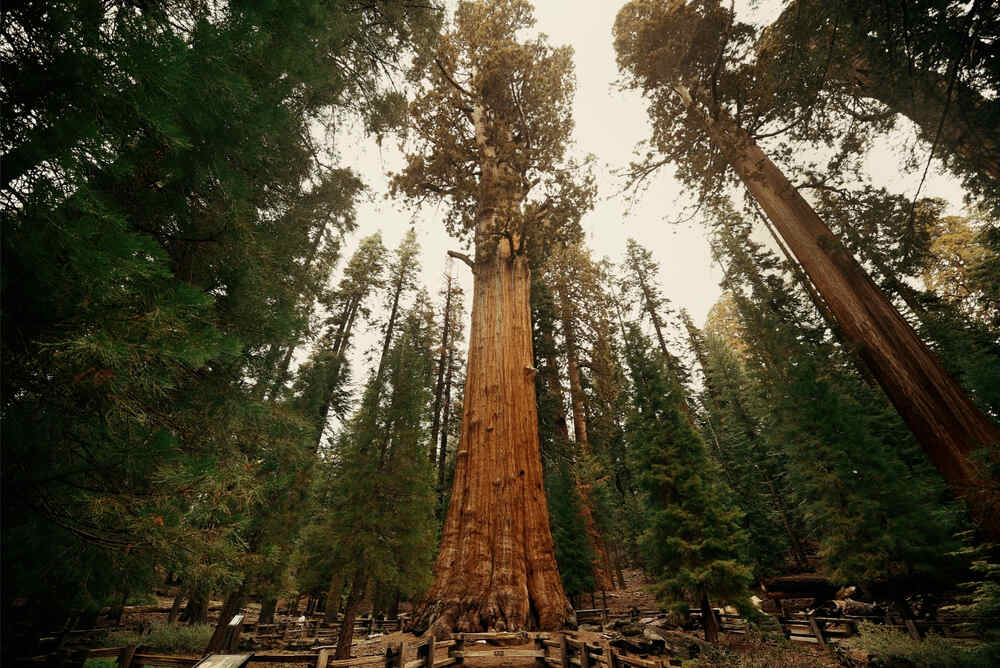
These adjacent parks, managed jointly, protect groves of giant sequoia trees including the General Sherman Tree—the world’s largest living tree by volume. Standing 275 feet tall and over 36 feet in diameter at its base, this 2,200-year-old giant humbles visitors who walk the trail to its base.
Beyond the famous sequoias, Kings Canyon lives up to its name as one of North America’s deepest canyons, carved by the Kings River over millions of years. The scenic drive down into Cedar Grove reveals dramatic granite cliffs rivaling those in Yosemite, yet with far fewer crowds.
Mount Whitney, the tallest peak in the contiguous United States at 14,505 feet, marks the parks’ eastern boundary. While summiting Whitney requires permits and serious preparation, the parks offer hundreds of miles of trails through diverse ecosystems from foothill chaparral to alpine wilderness.
Best Time to Visit: May through September for access to high-elevation groves and mountain areas. Late spring brings peak wildflower displays, while September offers pleasant temperatures and fall colors.
Must-See Highlights: General Sherman Tree, Moro Rock, Crystal Cave, Tokopah Falls, Cedar Grove scenic drive, and Grant Grove’s giant sequoias.
Allocate 2-3 days to explore both parks, often combined with nearby Yosemite for an epic Sierra Nevada road trip.
14. Death Valley National Park (California/Nevada)
Death Valley holds the record as the hottest, driest, and lowest place in North America. Badwater Basin sits 282 feet below sea level, making it the lowest elevation in the Western Hemisphere, while summer temperatures routinely exceed 120°F creating one of Earth’s most extreme environments.
Despite its ominous name, Death Valley bursts with life and stunning landscapes. Salt flats stretch for miles creating otherworldly patterns, colorful badlands paint the hillsides in Artist’s Palette, and sand dunes shift with the wind at Mesquite Flat. During rare wet winters, the valley floor can explode with wildflower superblooms attracting visitors from around the world.
The park spans over 3.4 million acres, making it the largest national park in the contiguous United States. Its vast size encompasses diverse landscapes from sand dunes to snow-capped peaks, with Telescope Peak reaching 11,049 feet—a vertical relief of over 11,000 feet from Badwater Basin.
Best Time to Visit: November through March offers comfortable temperatures for hiking and exploring. Avoid May through September when extreme heat makes daytime activities dangerous.
Must-See Highlights: Badwater Basin, Zabriskie Point for sunrise, Mesquite Flat Sand Dunes, Artist’s Palette, Dante’s View, and Ubehebe Crater.
Plan 2-3 days to cover the park’s vast distances between attractions and experience diverse landscapes.

15. Crater Lake National Park (Oregon)
Crater Lake holds the title as the deepest lake in the United States at 1,943 feet, formed nearly 8,000 years ago when Mount Mazama collapsed after a massive volcanic eruption. The lake’s extraordinary blue color results from its depth and purity—fed only by rain and snowmelt with no rivers flowing in or out.
The lake’s clarity allows visibility up to 100 feet down into its pristine waters. Wizard Island, a volcanic cinder cone, rises from the lake’s western side creating a dramatic focal point. The 33-mile Rim Drive encircles the caldera, offering over 30 overlooks with breathtaking views from different perspectives.
Snow blankets the park from October through June, with annual snowfall exceeding 40 feet at rim elevation. Winter transforms Crater Lake into a serene wonderland, though only the south entrance remains open and many viewpoints become inaccessible. Summer brings wildflower meadows and crystal-clear skies perfect for photography.
Best Time to Visit: July through September for full road access and boat tours to Wizard Island. Winter offers cross-country skiing and snowshoeing for adventurous visitors seeking solitude.
Must-See Highlights: Rim Drive scenic loop, Watchman Overlook for sunset, Cleetwood Cove Trail (only trail to the lake shore), Wizard Island, and Phantom Ship Overlook.
One to two days covers the main attractions, with extra time for hiking rim trails and boat tours during summer.

Planning Your National Park Bucket List Adventures
Starting Your Bucket List Journey
Creating your national park bucket list is the first step toward unforgettable adventures. Begin by researching which parks align with your interests—whether that’s hiking, wildlife viewing, photography, or simply soaking in natural beauty. Consider geographic clusters to maximize your travel efficiency by visiting multiple parks in one region.
The America the Beautiful Annual Pass costs $80 for U.S. residents and provides unlimited access to all national parks for an entire year. If you’re planning to visit three or more parks, this pass pays for itself quickly while also covering entrance fees at other federal recreation sites.
Budget and Time Considerations
Most national parks deserve at least 2-3 days to experience properly, though some larger parks like Yellowstone or Glacier warrant 4-5 days minimum. Factor in travel time between parks, especially in the western United States where distances can be substantial. Popular parks often require advance reservations for lodging and camping, sometimes booking up 6-12 months ahead.
With the 2026 changes affecting entry fees and requirements, planning becomes even more important. International visitors face higher costs at 11 popular parks, while U.S. residents need government-issued photo ID to verify residency status at park entrances.
Track Your Progress
Many national park enthusiasts enjoy tracking their visits with scratch-off maps that let you reveal each park as you check it off your bucket list. These visual reminders keep your goals front and center while showcasing your progress toward visiting all 63 national parks.
For a complete reference of all US national parks and their locations, explore our comprehensive national parks guide to help plan your bucket list strategy.
Final Thoughts
These 15 national parks represent just a fraction of the 63 incredible parks protecting America’s natural treasures, but they offer an excellent starting point for any bucket list. Each park delivers unique landscapes and experiences that photographs simply cannot capture—you have to stand at the canyon rim, walk among ancient trees, or watch geysers erupt to truly understand their magnificence.
Building your national park bucket list is a personal journey that reflects your interests, physical abilities, and travel style. Some visitors aim to see all 63 parks over a lifetime, while others focus on regional clusters or specific types of landscapes. There’s no wrong approach—every park visit adds to your connection with America’s wild places.
With the 2026 changes now in effect, planning your visits strategically helps you navigate new requirements and fees. U.S. residents benefit from unchanged pricing and multiple fee-free days throughout the year, making 2026 an excellent time to tackle your bucket list goals.
Start with parks that excite you most, whether that’s iconic destinations like Yosemite and Yellowstone or hidden gems waiting to be discovered. For help planning which parks to visit and when, explore our complete US National Parks List and Map with detailed information on all 63 parks. Each park you check off your list brings new adventures, unforgettable memories, and a deeper appreciation for the landscapes that make America extraordinary.
Track Your National Parks Bucket List
Track your visits with a beautiful scratch-off map that lets you reveal each park as you check it off your bucket list. Perfect for display in your home and a visual reminder of your progress toward visiting all 63 national parks.
US National Parks List & Map
Want a FREE complete list and recap of all our US National Parks as well as downloadable maps and other great resources? Check out our US National Parks List and Map guide!

FAQs
How many national parks should I visit in one trip?
The ideal number depends on proximity and time available. Western parks like Zion, Bryce Canyon, and Grand Canyon work well together in one 7-10 day trip. Yellowstone and Grand Teton pair perfectly as they’re only 10 miles apart. For your first trip, focus on 2-3 parks maximum to avoid rushed visits and driving fatigue. Quality experiences at fewer parks beat quick stops at many.
What’s the best order to visit national parks?
Start with parks that match your fitness level and interests. If you’re new to hiking, begin with accessible parks like Great Smoky Mountains or Acadia before tackling strenuous destinations like Glacier. Geographically, cluster parks by region to minimize travel time. Consider visiting iconic parks like Yellowstone or Grand Canyon first to build excitement, then explore lesser-known gems.
Do I need an annual pass if I’m visiting multiple parks?
The America the Beautiful Annual Pass costs $80 for U.S. residents and pays for itself after visiting three parks charging entrance fees. The pass covers entrance and standard amenity fees at all national parks plus thousands of other federal recreation sites. If you’re planning a bucket list journey hitting multiple parks within 12 months, the annual pass saves both money and time at entrance gates.
Which national parks are best for first-time visitors?
Yosemite, Yellowstone, and Grand Canyon offer the most iconic scenery with well-developed infrastructure perfect for first-timers. Great Smoky Mountains provides easy accessibility from the eastern United States with no entrance fee. Zion combines stunning landscapes with a shuttle system that simplifies navigation. These parks deliver unforgettable experiences while being relatively easy to visit.
Can I visit all 63 national parks in one year?
While technically possible, visiting all 63 parks in one year requires significant time and financial resources. Most people take 5-20 years to complete all parks, visiting a few each year as time and budget allow. Alaska’s remote parks alone require substantial planning and expense. A more realistic goal is visiting 5-10 parks annually, enjoying each thoroughly rather than rushing through for completion’s sake.
What’s the least crowded time to visit popular national parks?
Shoulder seasons—April through May and September through October—offer the best balance of good weather and manageable crowds at most parks. Weekdays see fewer visitors than weekends. Winter provides ultimate solitude but with limited access and services at many parks. Early morning visits regardless of season help you beat day-tripper crowds at popular viewpoints and trailheads.
How do I track which national parks I’ve visited?
Many enthusiasts use National Parks Scratch-Off Maps to reveal each park as they visit. The National Park Service offers free passport books that you can stamp at each park’s visitor center. Digital apps like National Park Checklist help you track visits on your phone. Creating a photo album or journal documenting each park visit provides lasting memories beyond simple checklists.
