
The Grand Canyon, a UNESCO World Heritage Site, stands as one of the Earth’s most awe-inspiring natural wonders. Spanning over 277 miles in length, up to 18 miles in width, and depths of over a mile, it showcases millions of years of geological history through its layered bands of red rock. The Grand Canyon is not just a sight to behold; it’s a vast, living museum of the natural world’s evolution. So, let’s take a look at how many days you need to visit the Grand Canyon.
- Preparing for Your Grand Canyon Adventure
- The North Rim: A Remote Wilderness Experience
- Day 1: Introduction to the North Rim
- Day 2: Deep Exploration
- Day 3: Iconic Landmarks and Historic Sites
- Day 4: Adventure Deep into the Canyon
- Final Thoughts
- National Parks List, Map, and Complete Guide (All 63 Parks + Downloadable List & Map)
- National Parks Scratch Off Map of United States
- FAQS
When planning a visit, understanding the distinctions between the North and South Rims is crucial. The North Rim, known for its remote wilderness, offers a quieter, more secluded experience. Sitting at a higher elevation, it provides cooler temperatures, which can influence what season you visit. It’s typically accessible between May and October before snowfalls limit access. On the other hand, the South Rim is accessible year-round. It’s definitely the more popular side of the canyon. It boasts an array of visitor services, extensive views, and iconic points like Mather Point and Yavapai Observation Station.
Having said that, timing and planning play pivotal roles in your trip here. The North Rim’s limited access season and the South Rim’s year-round popularity mean that accommodations and permits require advance booking, sometimes up to a year ahead. Weather conditions can vastly affect your visit. Summer monsoons form dramatic skies but also some potentially hazardous conditions. Winter snows can close roads but also dust the canyon with snow, creating breathtaking views.
So, whether you seek the solitude and untouched beauty of the North Rim or the iconic vistas and historical sites of the South Rim, a well-planned itinerary is essential. Consideration of the time of year, securing necessary permits, and preparing for the environmental conditions will ensure that your Grand Canyon visit is as magnificent and memorable as the landscape itself.
Before we dig in, let’s start with answering the question of how many days you need to visit the Grand Canyon. To truly experience this amazing park, plan for at least 3-4 days. This allows you to explore key viewpoints and trails on either the North or South Rim, or both. It also allows you to enjoy activities like stargazing and ranger-led programs, for a memorable visit. Ok, let’s explore an ideal itinerary of 4 days.
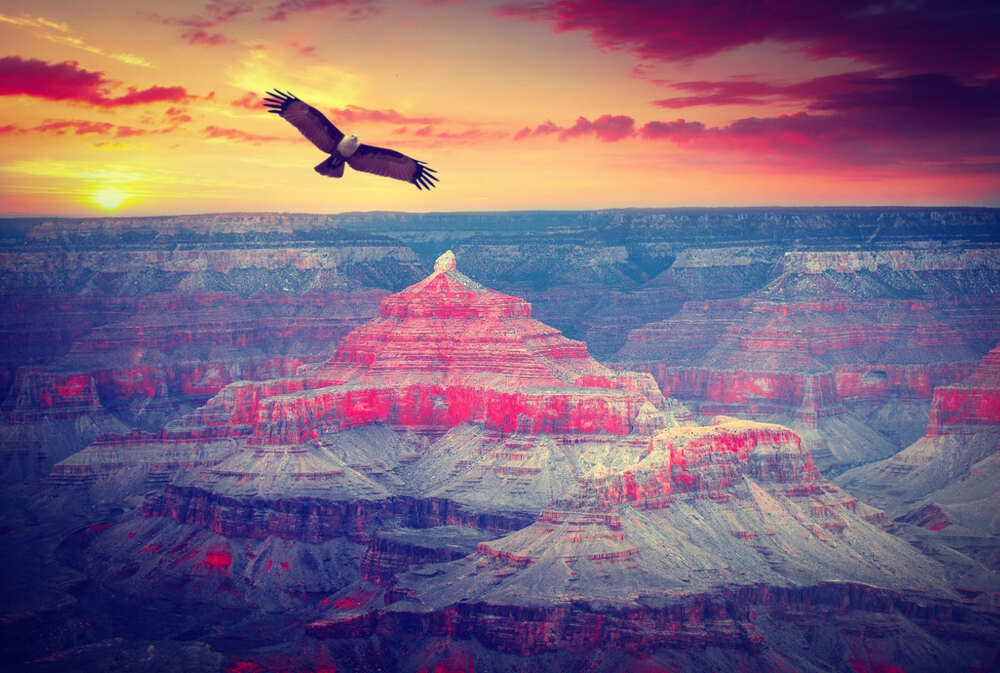
Preparing for Your Grand Canyon Adventure
Let’s start by noting that embarking on an adventure to the Grand Canyon requires thoughtful preparation, an understanding of the best times to visit, necessary permits and reservations, and what to pack. Here’s a guide I put together to help you navigate through the essentials.
Best Time to Visit
1. North Rim Seasonality and Accessibility
First off, the North Rim has a brief visitor season from May 15 to October 15, due to its higher elevation and the resulting heavy snowfalls in winter. This limited window provides a serene and less crowded experience, with vibrant fall colors typically in October. Planning your visit within this timeframe ensures access to all the North Rim has to offer.
2. South Rim Year-Round Access
Oppositely, the South Rim is accessible throughout the year and allows for different experiences with each season. Summer (June to August) brings warmer temperatures and the most visitors, making early reservations crucial. Spring (March to May) and fall (September to November) offer milder weather and fewer crowds, while winter (December to February) presents a quiet and picturesque snowy landscape, though some facilities may be limited.
Permits and Reservations
1. Camping Permits
If you plan to backpack and camp below the rim, you’ll need to obtain a backcountry permit from the National Park Service. These permits are available up to four months in advance and are in high demand, so apply as early as possible.
2. Lodging Options Inside the Parks
If you prefer the comfort of a bed, both rims have lodgings, from rustic cabins to hotel rooms. Reservations can fill up quickly, especially during the summer months at the South Rim and the entire open season at the North Rim. Booking a year in advance is advisable to secure your preferred accommodations.
Packing Essentials
1. Gear and Clothing
Importantly, your packing list should include layers of clothing, regardless of the season. Temperatures can fluctuate significantly from day to night. Essential gear includes sturdy hiking boots, a hat, sunglasses, and sunscreen to protect against the sun’s intensity at high elevations. In colder months, warm layers and a reliable winter jacket are necessary.
2. Food, Water, and Safety Supplies
Moreover, you should pack enough water for your hikes, as dehydration is a common problem. High-energy snacks and meals that don’t require refrigeration are also essential. Don’t forget a first aid kit, a map, and a compass or GPS device for navigation. Safety supplies like a flashlight, extra batteries, a whistle, and a multi-tool can make all the difference in emergencies.
The North Rim: A Remote Wilderness Experience
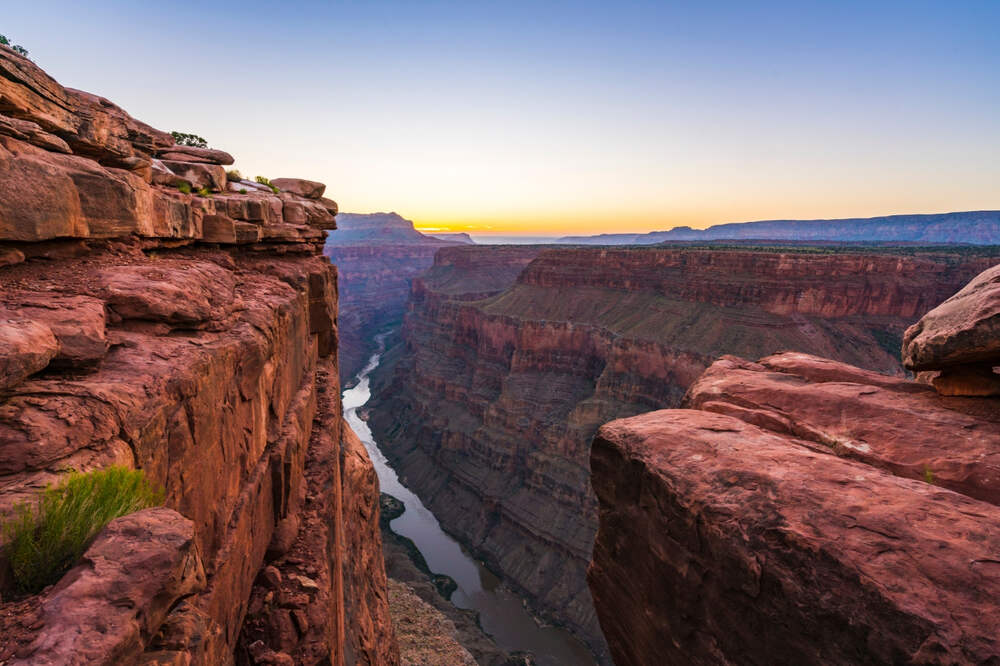
Interestingly, this segment of the Grand Canyon offers a tranquil encounter with nature, distinct from the more frequented South Rim. Its remote location provides a peaceful retreat, with fewer visitors and untouched scenic beauty. Here’s how you can make the most of your visit.
Getting There: Routes and Transportation
The North Rim is accessible by car from Highway 67. This is the only route in and closes with the first heavy snowfall, typically by late October. The closest major airports are in Las Vegas, Nevada, and Phoenix, Arizona, each requiring a drive of approximately 4.5 to 5 hours to reach the rim. Although more secluded, the journey to the North Rim is part of the adventure, showcasing stunning landscapes along the way.
Day 1: Introduction to the North Rim
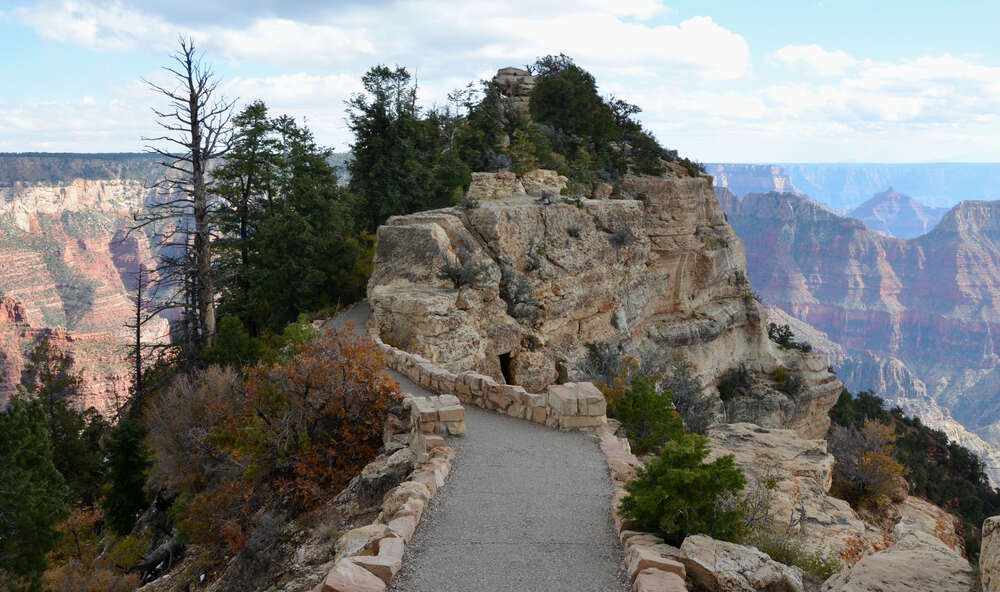
1. Bright Angel Point Trail for Sunrise
Start your adventure early by witnessing the sunrise from Bright Angel Point. A short walk from the parking area leads you to breathtaking views as the sun illuminates the canyon. The changing colors and shadows cast across the vast landscape provide a perfect introduction to the grandeur of the North Rim.
2. North Rim Visitor Center and Heritage Sites
After the sunrise, visit the North Rim Visitor Center to gather information, maps, and insights about the day ahead. Explore nearby heritage sites to learn about the canyon’s geological and cultural history.
3. Afternoon Hike: Cape Royal and Angels Window
In the afternoon, take the scenic drive to Cape Royal, where a relatively easy hike boasts some of the canyon’s most panoramic views. Don’t miss Angels Window, a natural arch that frames a unique perspective of the canyon below. The hike and the drive combined make for a perfect day exploring the North Rim’s beauty.
Day 2: Deep Exploration
1. Morning Hike: Widforss Trail
Moving onto day two, you can dedicate your morning to hiking the Widforss Trail. It’s a 10-mile round trip that blends forested paths with stunning canyon vistas. This trail offers a quieter experience, which allows you to enjoy the area’s natural surroundings peacefully.
2. Afternoon Activity: Scenic Drive to Point Imperial
In the afternoon, drive to Point Imperial, the highest point on the North Rim at over 8,800 feet. The drive itself is scenic, and the viewpoint grants a distinct perspective of the canyon, showcasing the different rock layers and vastness of the landscape.
3. Evening: Stargazing Session
Keep in mind that the North Rim’s remote location makes it an ideal spot for stargazing. Join a ranger-led program or find a secluded spot to gaze at the stars. The clear night skies away from city lights allow for an extraordinary celestial show.
Accommodations and Dining: From Rustic to Refined
Accommodations on the North Rim range from camping in the great outdoors to staying in the historic Grand Canyon Lodge. Reservations are essential, especially for the Lodge, which offers cabins and motel rooms with canyon views. Dining options at the North Rim are limited but satisfying, with the Grand Canyon Lodge Dining Room providing hearty meals with a spectacular view.
Journey from North to South Rim: Transitioning Landscapes
The voyage from the North Rim to the South Rim of the Grand Canyon presents an opportunity to witness the diverse landscapes and ecosystems that characterize this iconic national park. While the direct distance across the canyon is only about 10 miles, the journey by road spans approximately 220 miles and takes roughly 4 to 5 hours. This transition allows not just a change in scenery, but also a chance to explore the various terrains that make the Grand Canyon a marvel of the American Southwest.
Driving Directions and Scenic Stops
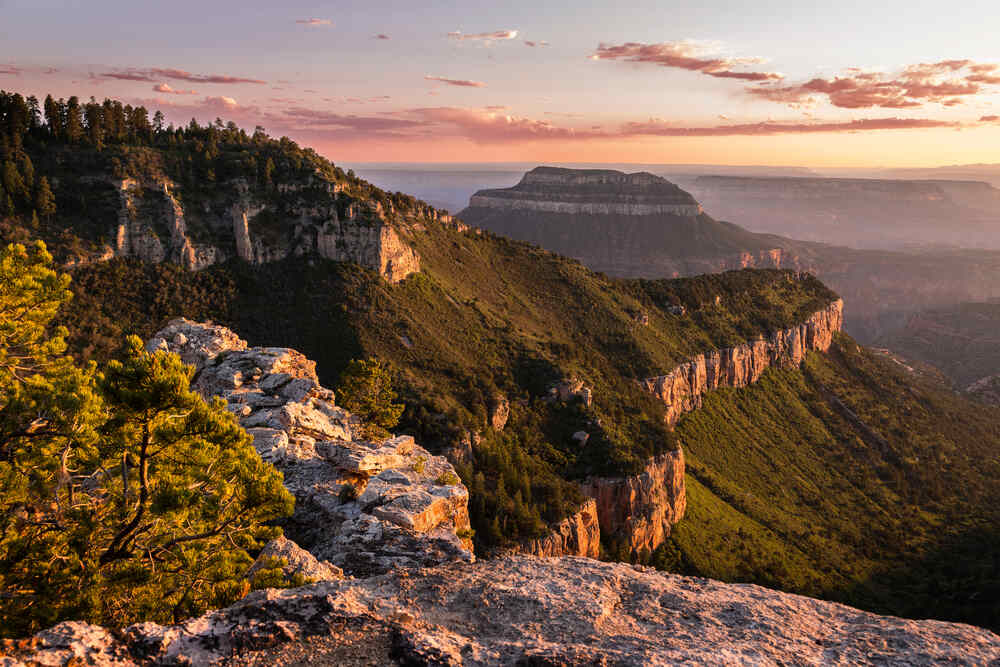
Starting from the North Rim, you’ll head south on Highway 67 to Jacob Lake, then merge onto US-89A. This route leads you through the Kaibab National Forest, contrasting sharply with the desert landscapes you’ll encounter later. Afterward, you’ll connect to US-89 south toward Cameron, where you can stop at the Cameron Trading Post for a break and perhaps some local crafts. From Cameron, take AZ-64 west, which leads directly to the South Rim’s entrance at Grand Canyon Village.
Scenic Stops to Consider:
- Marble Canyon: Before reaching the turnoff for the South Rim, you’ll pass near Marble Canyon, offering spectacular views of the Colorado River’s beginnings and the Vermilion Cliffs.
- Navajo Bridge: This twin bridge spans Marble Canyon and has a breathtaking view over the Colorado River. It’s a perfect spot for photography and stretching your legs.
- Desert View Watchtower: As you approach the South Rim, make a stop at Desert View Watchtower. This stone tower provides extensive views of the canyon and the Colorado River, marking a dramatic introduction to the South Rim.
Helicopter and Airplane Tours: An Aerial Perspective
If you’re looking to do something truly unique, consider taking a helicopter or airplane tour to journey from the North Rim to the South Rim. These tours offer an aerial perspective of the Grand Canyon, showcasing the vastness and intricate details of the landscape that can’t be fully appreciated from the ground.
Helicopter Tours: These tours provide an up-close view of the canyon’s depths, soaring over river rapids, through towering rock formations, and alongside ancient cliff dwellings. The unique vantage point from a helicopter helps develop a new appreciation for the canyon’s grandeur.
Airplane Tours: Airplane tours cover more ground and often include both rims and sometimes parts of the West Rim. While at a higher vantage point than helicopters, airplane tours still provide spectacular views of the canyon’s expanse, highlighting its varied ecosystems and geology.
Both options require reservations and can be booked through various tour operators. Prices vary, but all promise an unparalleled experience of the Grand Canyon’s beauty.
The South Rim: Iconic Views and Cultural Heritage
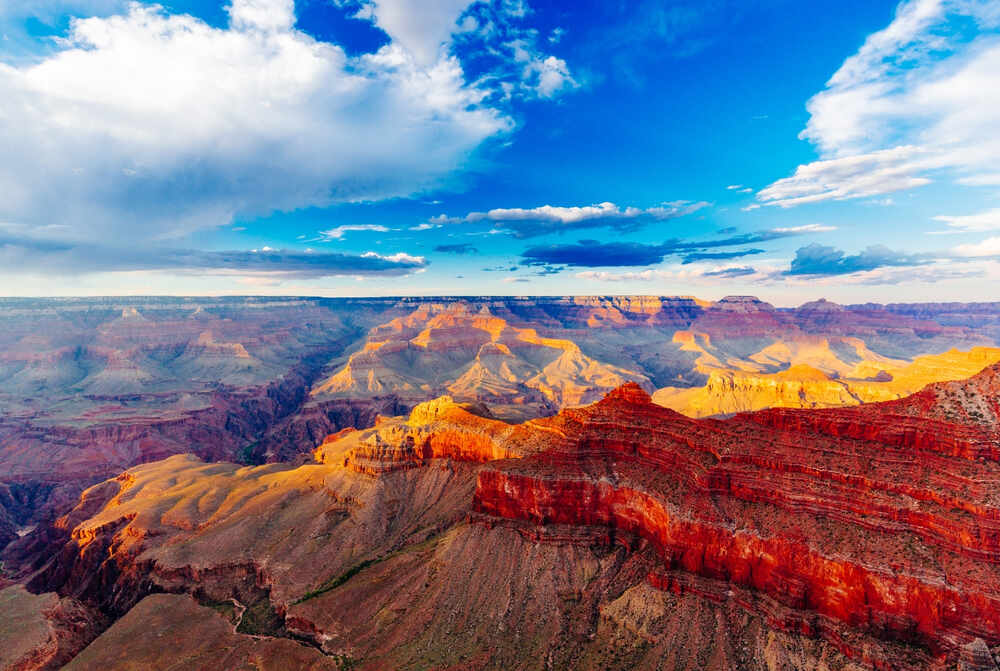
The South Rim of the Grand Canyon, known for its accessible viewpoints and rich history, attracts visitors worldwide. With a blend of breathtaking landscapes and cultural depth, the South Rim provides you with a chance to experience a little bit of everything.
Getting There: Gateways to the South Rim
The South Rim is accessible via several gateways, with the most common being through the town of Tusayan, just a few miles from the South Entrance Station. For those flying in, the closest major airports are, again, in Phoenix, Arizona, and Las Vegas, Nevada, with driving times of approximately 4 to 5 hours to reach the rim.
Day 3: Iconic Landmarks and Historic Sites
1. Mather Point Sunrise
Start your visit with a sunrise at Mather Point, one of the most iconic viewpoints on the South Rim. Arrive early to find a spot along the railing or on large boulders for unobstructed canyon views as the sun illuminates its vast expanse.
2. Grand Canyon Village Exploration
After sunrise, explore Grand Canyon Village, where you can visit historic buildings like the El Tovar Hotel, Hopi House, and the Bright Angel Lodge. Each site offers a glimpse into the early 20th-century tourism boom at the Grand Canyon.
3. Hike the Rim Trail to Yavapai Geology Museum
Take a leisurely hike along the Rim Trail from Grand Canyon Village to the Yavapai Geology Museum. The trail has numerous viewpoints and interpretive exhibits along the way. The museum itself provides insights into the canyon’s geological history, complete with panoramic windows overlooking the canyon.
Day 4: Adventure Deep into the Canyon

And finally, there’s nothing like a deep hike into the canyon. Here are just a few day hikes you can consider:
1. Bright Angel or South Kaibab Trail Day Hike
Begin by choosing between two of the canyon’s most popular day hikes: the Bright Angel Trail or the South Kaibab Trail. The Bright Angel Trail contains shaded rest houses and water stations, while the South Kaibab Trail is known for its dramatic views. Both require an early start, plenty of water, and snacks.
2. Afternoon Visit to Desert View Watchtower
In the afternoon, drive to the Desert View Watchtower, an architectural marvel designed by Mary Colter. Climb the tower for a unique bird’s-eye view of the canyon and the Colorado River, showcasing a different perspective from the park’s eastern edge.
3. Evening: Sunset at Hopi Point
Conclude your day with a sunset at Hopi Point, accessible via the Hermit Road. Known for its wide-ranging views, Hopi Point has one of the best sunset experiences on the South Rim, with the canyon walls glowing in vibrant colors.
Accommodations and Dining: Options for Every Visitor
The South Rim offers a variety of accommodations, from camping at Mather Campground to staying in historic lodges like El Tovar and Bright Angel Lodge. Advanced reservations are highly recommended, especially during peak seasons.
Dining options range from casual cafes to fine dining at El Tovar Dining Room. Delis and snack stands provide quick meals for those on the go, allowing more time for exploration.
Final Thoughts
So, in the end, as you leave the Grand Canyon, you’ll head out with a closer connection to one of the earth’s most magnificent landscapes. The excitement of both the North and South Rims, from breathtaking views to the quiet moments of natural beauty, helps you appreciate the importance of preserving such wonders. Share your journey, inspire others to visit, and consider supporting preservation efforts to ensure the Grand Canyon continues to awe and inspire future generations. Hopefully, with this itinerary I’ve laid out, you now have a better idea of how to plan the perfect trip to this iconic national park.
I WOULD LOVE TO HEAR FROM YOU! Scroll to the bottom to leave a comment about a trip you’ve taken to this remarkable park or any questions you might have.
National Parks List, Map, and Complete Guide (All 63 Parks + Downloadable List & Map)
Want a FREE complete list and recap of all our US National Parks as well as downloadable maps and other great resources? Check out our US National Parks List and Map guide!

National Parks Scratch Off Map of United States
Best Travel Gifts to Track Your Travels and Adventures! Check out the top-selling National Parks scratch off map of the United States!

FAQS
Is 2 days enough for the Grand Canyon?
Two days at the Grand Canyon can offer a fulfilling experience of its main highlights, especially if you focus on key viewpoints and trails on either the North or South Rim. Still, it may feel rushed if you’re looking to explore both rims more or take longer hikes.
What month is the best time to visit the Grand Canyon?
The best months to visit the Grand Canyon are April through June, and September through October, when the weather is mild and the crowds are thinner compared to the peak summer months.
Can you do the Grand Canyon in 3 days?
Yes, three days allow for a more reasonable amount of time to explore the Grand Canyon. You’ll have plenty of time to experience several key viewpoints and trails on the North and South Rims and even participate in a guided tour or ranger program.
Is Grand Canyon a 1-day trip?
A one-day trip to the Grand Canyon can offer a glimpse of its majesty, allow visits to a few key viewpoints, and allow short walks along the rim. However, it barely scratches the surface of what the park has to offer.
Is a Grand Canyon day trip worth it?
Yes, a day trip to the Grand Canyon is worth it, as even limited time allows you to witness its breathtaking vistas and gain a sense of its immense scale and beauty, making for an unforgettable experience.
