
Rocky Mountain National Park is located in northern Colorado, covering over 265,000 acres of diverse terrain, including alpine tundra, montane forests, and riparian zones. The park is home to a wide range of wildlife, including animals like large mammals, birds, reptiles, amphibians, fish, and countless invertebrates.
You can find animals like elk, black bears, mountain lions, and a variety of bird species in the park. Wondering where and when you’re most likely to spot these fascinating creatures? Read on as I dive into some of the best areas to spot wildlife in RMNP and tips for an unforgettable experience!
Mammals
Large Mammals

Elk
- Commonly found in the meadows and forests.
- Known for their impressive antlers, especially in the fall during the rutting season.
Moose
- Typically seen near water sources such as lakes and streams.
- The largest members of the deer family, easily recognizable by their long legs and distinctive snout.
Mule Deer
- Widespread throughout the park, often seen grazing in open areas.
- Notable for their large ears, which resemble those of a mule.
Black Bear
- Found in forested areas, often foraging for berries and other food sources.
- Generally shy but can be encountered near hiking trails and campsites.
Mountain Lion
- Elusive and rarely seen, preferring remote and rugged terrain.
- Top predators in the park, play a crucial role in maintaining ecological balance.
Medium-sized Mammals

Bighorn Sheep
- Usually spotted in rocky, mountainous areas.
- Known for their large, curved horns and agile climbing abilities.
Coyotes
- Common throughout the park, adaptable to various habitats.
- Often heard howling at dawn and dusk.
Bobcats
- Found in wooded and brushy areas.
- Solitary and elusive, making them difficult to spot.
Lynx
- Rare and primarily found in dense forests.
- Characterized by their tufted ears and large, padded paws.
Small Mammals

Beavers
- Inhabit areas with streams and ponds, where they build dams and lodges.
- Recognized by their flat tails and industrious nature.
Porcupines
- Found in forests and wooded areas.
- Easily identified by their quills, which they use for defense.
Marmots
- Common in alpine and subalpine regions, often seen basking on rocks.
- Known for their loud whistles, used to communicate and warn of danger.
Pikas
- Inhabit rocky slopes and talus fields in alpine zones.
- Small, round, and rabbit-like, they are active during the day collecting vegetation.
Various species of squirrels and chipmunks
- Abundant throughout the park, especially in forested areas.
- Play a vital role in the ecosystem by dispersing seeds and nuts.
Birds
Bald Eagles
- Found near lakes and rivers where they hunt for fish.
- Easily recognizable by their white heads and tails.
Golden Eagles
- Inhabit mountainous and open areas.
- Known for their impressive size and powerful hunting abilities.
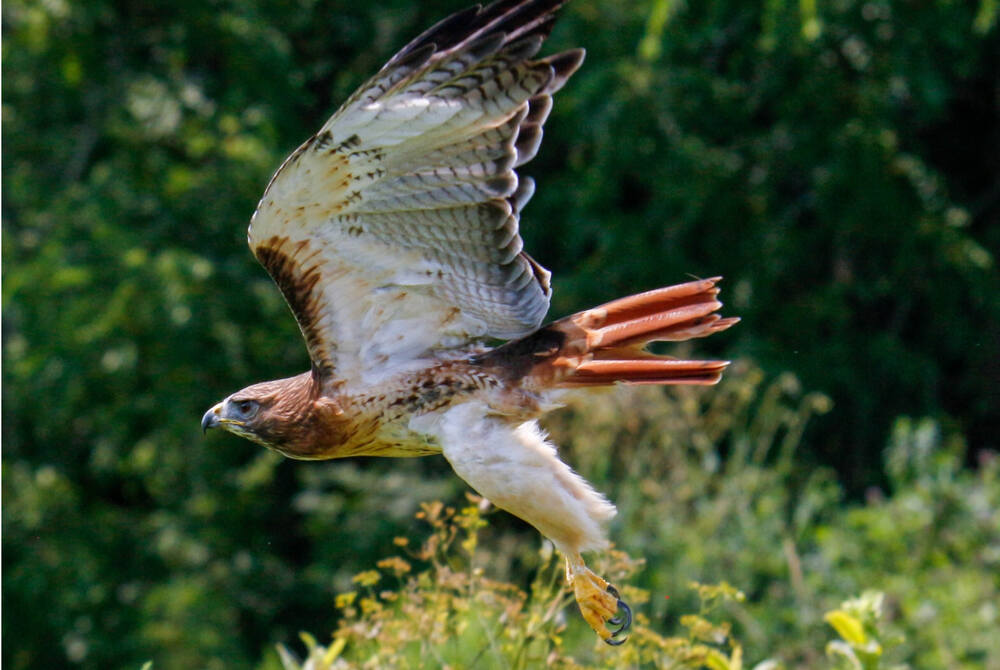
Red-tailed Hawks
- Commonly seen soaring over open fields and along roadways.
- Identified by their reddish-brown tails and broad wings.
Peregrine Falcons
- Often found near cliffs and mountainous regions.
- Renowned for their incredible speed, making them the fastest birds in the world.
Mountain Bluebirds
- Found in open meadows and fields.
- Recognized by their vibrant blue plumage and melodious songs.
American Robins
- Common in woodlands and around human habitation.
- Known for their reddish-orange breasts and cheerful songs.
Black-capped Chickadees
- Found in forests and wooded areas.
- Small, with distinctive black caps and white cheeks.
Canada Geese
- Frequently seen in ponds, lakes, and wetlands.
- Easily identified by their black heads and necks with white cheek patches.
Mallards
- Common in various water bodies within the park.
- Males are recognizable by their glossy green heads and yellow bills.
Great Blue Herons
- Typically found along rivers, lakes, and marshes.
- Tall wading birds with long legs and necks, and blue-gray plumage.
Woodpeckers (various species)
- Found in forests and wooded areas.
- Notable for their drumming sounds as they peck on trees.
Great Horned Owls
- Inhabit forests, open areas, and sometimes near human settlements.
- Known for their large size, tufted ears, and deep hooting calls.
Northern Pygmy Owls
- Found in forests and mountainous regions.
- Small and active during the day, with distinctive white markings on their nape.
Reptiles and Amphibians
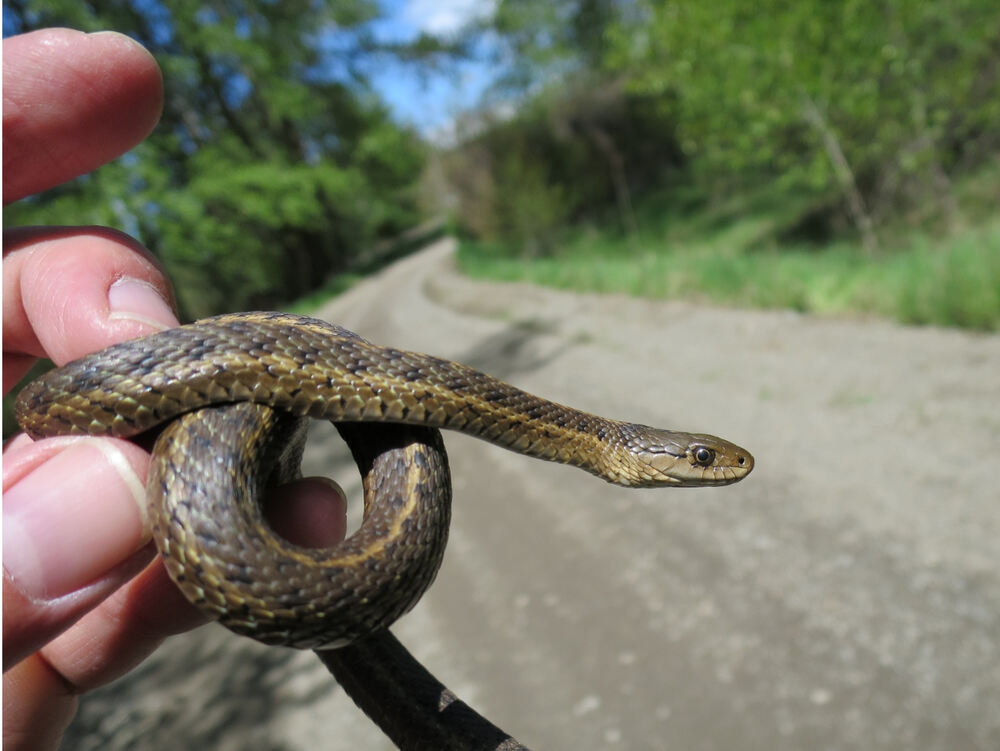
Western Terrestrial Garter Snake
- Found in a variety of habitats, including meadows, forests, and near water.
- Recognizable by their striped pattern, and are often seen basking in the sun.
Prairie Rattlesnake
- Inhabit grasslands, rocky areas, and open woodlands.
- Known for their distinctive rattle and venomous bite; they are best observed from a safe distance.
Various species of lizards
- Common in rocky and arid areas within the park.
- Includes species like the Western Fence Lizard and the Greater Short-horned Lizard, which are known for their quick movements and ability to camouflage.
Boreal Toad
- Found in wet areas such as ponds, marshes, and high-elevation lakes.
- Identified by their warty skin and variable coloration, ranging from brown to greenish.
Western Tiger Salamander
- Inhabit moist environments like forests and grasslands, often near water.
- Known for their striking yellow and black striped pattern.
Various species of frogs
- Common in wetland areas, ponds, and streams throughout the park.
- Includes species like the Northern Leopard Frog and the Wood Frog, recognized by their distinctive calls and variable coloration.
Fish
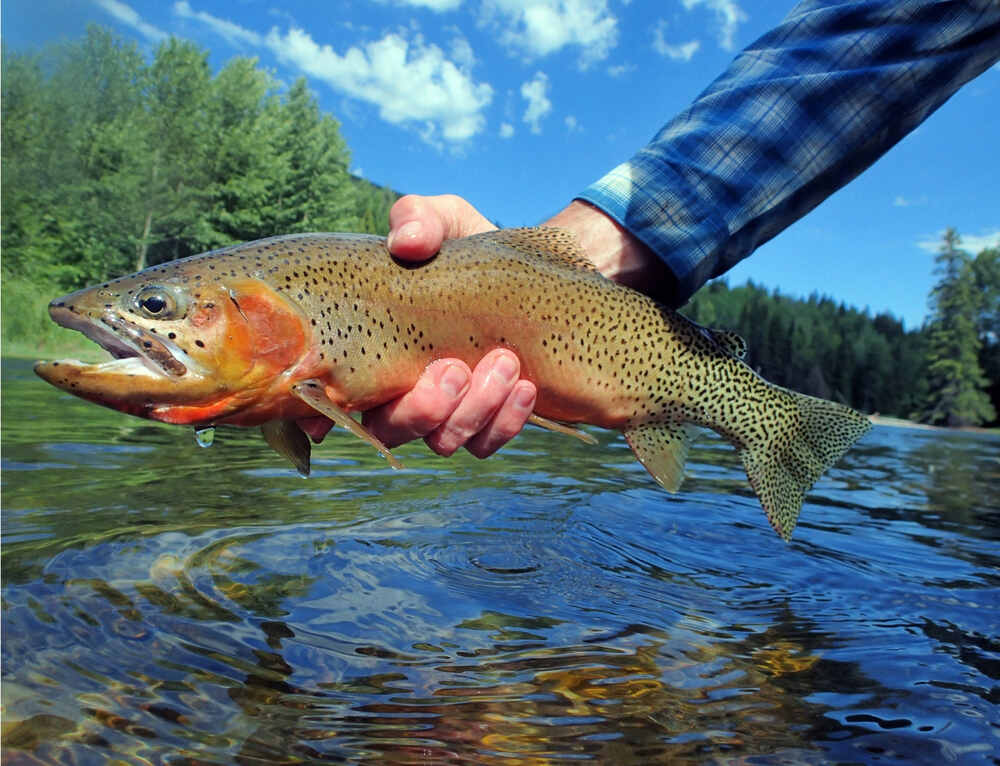
Greenback Cutthroat Trout (threatened species)
- Found in cold, clear streams and lakes within the park.
- Characterized by their vibrant greenish coloring and distinctive red throat slashes.
- Conservation efforts are ongoing to protect and restore their populations.
Colorado River Cutthroat Trout
- Inhabit clear, cool waters of streams and rivers.
- Recognized by their colorful markings and spots, they play an important role in the park’s aquatic ecosystems.
Brook Trout
- Native to some areas, though often found alongside non-native species.
- Known for their distinctive pattern of light spots against a dark body and the white edges on their fins.
Rainbow Trout
- Introduced to many streams and lakes within the park.
- Easily identified by their pinkish-red stripe along their sides and their propensity to jump when hooked.
Brown Trout
- Also introduced and commonly found in park waters.
- Recognizable by their brownish color with black and red spots; known for their elusive nature and larger size.
Insects and Other Invertebrates

Monarch Butterflies
- Found in meadows and open areas within the park.
- Known for their striking orange and black wings and their long migratory journeys.
Rocky Mountain Parnassian
- Inhabit alpine meadows and mountainous regions.
- Recognized by their white wings with black and red markings, often seen fluttering near wildflowers.
Mountain Pine Beetle
- Found in pine forests, often within trees they infest.
- Known for their role in forest ecology, although large outbreaks can devastate pine populations.
Lady Beetles (Ladybugs)
- Common in various habitats, from forests to grasslands.
- Easily identified by their round, red bodies with black spots, and beneficial as natural pest controllers.
Spiders
- Diverse species inhabit the park, ranging from orb-weavers to wolf spiders.
- Play a crucial role in controlling insect populations and contributing to the park’s biodiversity.
Ants
- Found in nearly every habitat within the park.
- Known for their complex social structures and significant ecological roles, such as soil aeration and seed dispersal.
Various species of bees and wasps
- Inhabit meadows, forests, and near water sources.
- Essential pollinators for many plant species, playing a part in the health of the park’s ecosystems.
Final Thoughts
To wrap things up, RMNP boasts an incredible assortment of wildlife, from majestic large mammals like elk and black bears to a wide variety of birds, reptiles, amphibians, fish, insects, and other invertebrates. Each species plays a unique role in maintaining the ecological balance of this stunning natural environment.
Visiting the park offers a perfect opportunity to witness this rich biodiversity firsthand. Whether you’re hiking, camping, or simply exploring, you’ll be surrounded by the natural beauty and fascinating wildlife that make this park so special.
Remember, the continued health of Rocky Mountain National Park’s ecosystems relies on our efforts to conserve and protect these habitats. By practicing responsible wildlife interaction and supporting conservation initiatives, you can help ensure that future generations will also have the chance to experience the wonders of this incredible park.
I WOULD LOVE TO HEAR FROM YOU! Scroll to the bottom to leave a comment about a trip you’ve taken to this remarkable park or any questions you might have about the fascinating wildlife that call this place home.
National Parks List, Map, and Complete Guide (All 63 Parks + Downloadable List & Map)
Want a FREE complete list and recap of all our US National Parks as well as downloadable maps and other great resources? Check out our US National Parks List and Map guide!

National Parks Scratch Off Map of United States
Best Travel Gifts to Track Your Travels and Adventures! Check out the top-selling National Parks scratch off map of the United States!

FAQS
How likely are you to see a bear in Rocky Mountain National Park?
Seeing a bear is possible but not highly likely; black bears are present but generally avoid humans.
Are there any grizzly bears in Rocky Mountain National Park?
No, grizzly bears are not found in Rocky Mountain National Park; only black bears inhabit the area.
What is the most common animal in the Rocky Mountains?
Mule deer are among the most common animals in the Rocky Mountains.
Are there mountain lions in Estes Park?
Yes, mountain lions are present in Estes Park and surrounding areas.
Are there wolves in Rocky Mountain National Park?
No, wolves are not currently found in Rocky Mountain National Park.
Do I need bear spray in Rocky Mountains?
While not mandatory, carrying bear spray is recommended for safety, especially in bear habitats.
What time of day are bears most active in Colorado?
Bears are most active during dawn and dusk.
How common are moose in Rocky Mountain National Park?
Moose sightings are relatively common, especially near water sources.
Are there cougars in Rocky Mountain National Park?
Yes, cougars, also known as mountain lions, are present in Rocky Mountain National Park.
